As the United States prepares to mark its 249th Independence Day, the atmosphere is thick with a blend of celebration and uncertainty. The upcoming holiday, traditionally associated with barbecues, fireworks, and patriotic displays, is this year overshadowed by political tensions and a notable increase in travel activity. While some Americans are excitedly planning their festivities, others are reflecting on the current socio-political landscape, making this July Fourth a unique confluence of pride, protest, and profound contemplation.
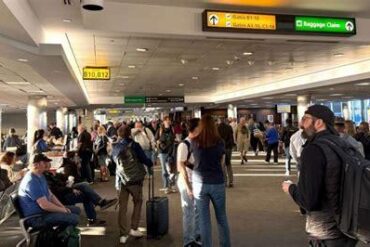
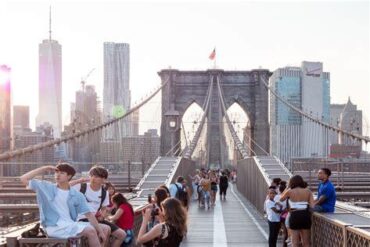
This year’s celebrations will take place against a backdrop of growing economic challenges and heightened political discourse, resulting in an unprecedented surge in travel. According to the American Automobile Association (AAA), more than 72 million Americans are expected to travel at least 50 miles from home during the holiday weekend, setting a record for travel volume during this festive period. With nearly 62 million people opting for road trips and approximately 6 million choosing to fly, the increased mobility highlights a desire for connection and celebration despite the backdrop of uncertainty.
For many, July Fourth symbolizes the essence of American freedom, a day to honor the nation’s founding principles. Scott Allen, a resident of Southern California, encapsulates this sentiment as he prepares to celebrate with his neighbors in Lakewood. Despite the political turmoil that has marked recent years, Allen believes that this day is about the freedoms enjoyed by all Americans, particularly the right to free speech and protest. He reflects, “We can have protests. We can have free speech,” emphasizing the dual nature of the holiday as both a time for celebration and a moment for reflection on the values that define the nation.
However, not every American shares Allen’s enthusiasm. The political climate, particularly under the Trump administration, has led to a significant decline in national pride among certain demographics, especially among Democrats. Many Americans are grappling with feelings of disillusionment regarding the state of the nation, prompting some to forego traditional celebrations entirely or to channel their frustrations into protests.
In California, the impact of the current political environment is particularly palpable. Several communities, notably in the Los Angeles area, have opted to cancel their planned July Fourth events. The fear surrounding immigration raids has significantly affected immigrant communities, leading to the cancellation of parades and other public gatherings. In El Sereno, a predominantly Latino neighborhood, organizers reported that 90% of participants withdrew from the parade due to concerns over the presence of immigration agents. Organizer Genny Guerrero expressed the prevailing sentiment, stating, “The fact that they’re taking anyone that is brown, regardless of citizenship, that puts everyone in jeopardy.”
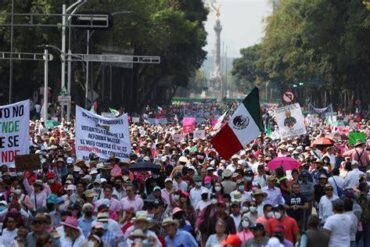
As protests gain momentum, various groups are mobilizing to address pressing issues that resonate with many Americans. The Women’s March, which gained prominence after the 2016 election, is organizing events nationwide to protest policies perceived as detrimental to the core values of democracy and freedom. Issues such as cuts to Medicaid and the treatment of immigrant communities will be front and center during these gatherings, underscoring a widespread desire for change.
In Portsmouth, New Hampshire, a gathering is planned at a naturalization ceremony to welcome new citizens, highlighting the importance of inclusive immigration policies. Meanwhile, larger protests are anticipated in Houston, Texas, where demonstrators plan to assemble outside City Hall to voice their concerns regarding current U.S. policies and their implications for freedom and democracy.
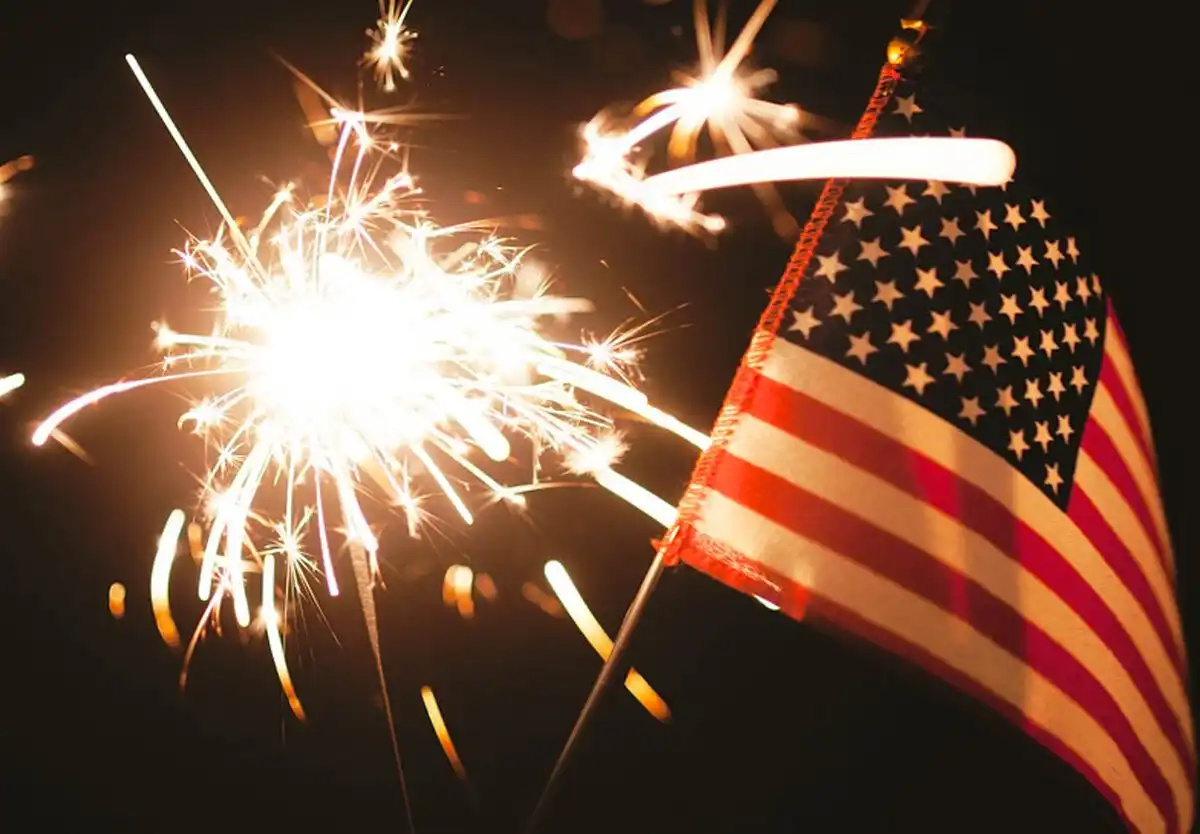
Amidst the celebrations and protests, the fireworks industry faces its own set of challenges. The ongoing trade war with China has resulted in significant tariffs on imported fireworks, which constitute a majority of products sold in the U.S. Currently, tariffs have risen as high as 145%, although they were temporarily paused to a rate of 30%. Julie Heckman, executive director of the American Pyrotechnics Association, noted that while larger public displays may not feel the immediate impact due to pre-purchased supplies, smaller retailers could pass on costs to consumers. This situation raises concerns about the long-term viability of affordable fireworks displays, particularly as the nation approaches its 250th anniversary in 2026, when grand celebrations are anticipated.
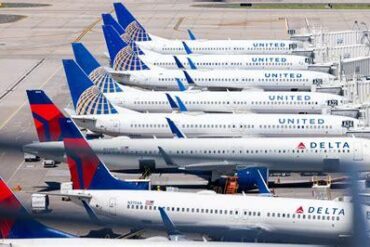
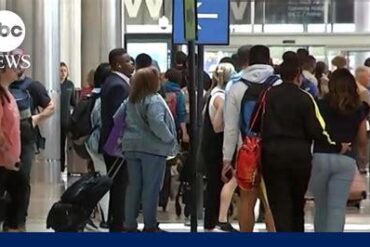
Despite these challenges, the overall travel outlook for July Fourth remains optimistic. The Federal Aviation Administration (FAA) has projected that this will be the busiest July Fourth week in 15 years, with major airports preparing for a significant influx of passengers. The continued rise in travel reflects a collective desire among Americans to engage with one another and celebrate their national identity, even amidst uncertainties.
As July Fourth approaches, Americans find themselves at a crossroads, navigating their feelings about the holiday in a complex socio-political context. For many, the celebration represents an embodiment of individual liberty and national unity, while for others, it serves as a platform for expressing dissent and advocating for change. The contrasting narratives of celebration and protest paint a vivid picture of a nation grappling with its identity.
As we reflect on the past and look forward to the future, it becomes clear that this year’s Independence Day is more than just a day of festivities; it is a reminder of the ongoing struggle for freedom and democracy that defines the American experience. As millions of Americans hit the roads and skies to commemorate this pivotal day, the journey ahead will undoubtedly shape how future generations understand and celebrate their independence.