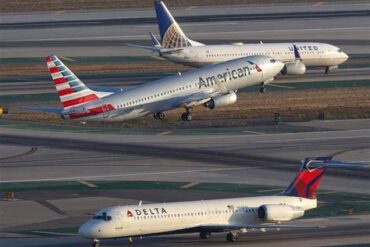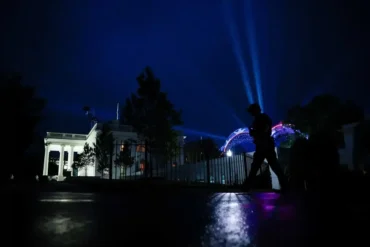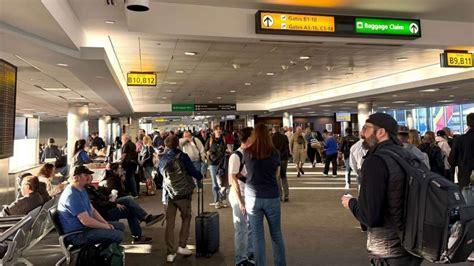
As the United States prepares to celebrate the 250th anniversary of its founding, travelers passing through Ronald Reagan Washington National Airport (DCA) are being warned of significant flight disruptions, including a complete halt to flight operations after noon on July 4. The temporary shutdown is part of extensive security and airspace management measures surrounding major aerial demonstrations, military flyovers, parachute displays, and fireworks planned for the nation’s capital during the historic milestone.
The unprecedented restrictions come at one of the busiest travel periods of the year, creating operational challenges for airlines and passengers alike. Airport officials have emphasized that the shutdown is necessary to ensure the safe coordination of aviation activities occurring over Washington, D.C., during the nationwide celebrations.
Why Reagan National Airport Is Shutting Down on July 4
The July 4 festivities marking America 250 are expected to feature a large-scale program of aerial performances over downtown Washington. These activities include military aircraft flyovers, demonstration flights, parachute jumps, and pyrotechnic displays that will occupy airspace normally used by commercial air traffic arriving at and departing from Reagan National Airport.
Because DCA sits just minutes from the National Mall and operates within one of the most tightly controlled airspaces in the world, aviation authorities have determined that commercial flight operations cannot safely continue during portions of the celebrations.
Officials have announced that all scheduled flight activity at Reagan National Airport will cease after noon on July 4, creating a temporary no-fly period around the airport. Terminal operations will also be reduced until normal service resumes the following day.
For travelers, the announcement means that many flights will either be rescheduled, canceled, or adjusted well in advance as airlines work around the mandatory ground stop.
July 3 Rehearsals Will Also Affect Flight Schedules
The operational impact is not limited to Independence Day itself. Rehearsals connected to the celebrations are scheduled for July 3, resulting in additional restrictions during the early afternoon.
Airport authorities have indicated that no DCA flights will be scheduled for several hours during rehearsal activities. Airlines have already begun modifying schedules to accommodate the temporary airspace closures, reducing the likelihood of widespread last-minute disruptions.
Passengers flying on July 3 are encouraged to pay close attention to airline notifications, as departure and arrival times may differ from original bookings.
The advance planning has provided carriers with an opportunity to adjust aircraft rotations, crew assignments, and airport operations before the holiday rush reaches its peak.
Extended Event Schedule Brings Additional Airspace Restrictions
While July 3 and July 4 represent the most significant disruptions, airport officials have released a broader schedule of events extending through August that may result in temporary operational impacts.
Several celebrations associated with the America 250 program are expected to involve aerial demonstrations that require short-duration airspace restrictions around Washington.
Key dates include:
- June 24 – Great American State Fair Opening
- June 25
- June 28 – Military Appreciation Day
- July 3 – Independence Day rehearsals and celebrations
- July 4 – Full airport ground stop after noon
- July 10 – Great American State Fair Closeout featuring flyovers and parachute jumps
- August 22–23 – Grand Prix events near the National Mall
Airport authorities have stressed that most of these restrictions will be brief and localized. Unlike the July 4 shutdown, the majority of future airspace closures are expected to last only limited periods.
Airlines Have Been Preparing for Months
One factor helping minimize disruption is that many of the celebrations were planned well in advance. Airlines serving Reagan National Airport received notice of anticipated restrictions early enough to modify schedules before tickets were sold or finalized.
This proactive approach allows carriers to redesign flight banks, adjust aircraft positioning, and communicate changes directly to customers.
By integrating the restrictions into operational planning, airlines hope to avoid the widespread confusion that often accompanies unexpected ground stops.
Passengers should nevertheless verify flight status regularly, especially during the days immediately surrounding the celebrations. Even flights not directly affected by the shutdown may experience schedule adjustments as airlines rebalance operations across their networks.
Understanding Airport Ground Stops
A ground stop is one of the most effective traffic management tools used by aviation authorities. During a ground stop, aircraft are prevented from departing for a specific destination or operating within a designated airspace until conditions allow safe operations to resume.
Ground stops can occur for a variety of reasons, including severe weather, security concerns, air traffic control constraints, or special events requiring temporary airspace restrictions.
Although most ground stops last only a few hours, they can have ripple effects throughout the national aviation system, particularly when they affect major airports in high-demand regions.
The most famous example remains the nationwide grounding of aircraft following the terrorist attacks of September 11, 2001, when commercial aviation across the United States came to an unprecedented halt.
A Busy Holiday Travel Period Faces Additional Pressure
The July 4 holiday consistently ranks among the busiest travel periods in the United States. Millions of Americans travel by air to attend family gatherings, vacations, and Independence Day celebrations.
Recent aviation data highlights the enormous scale of holiday travel demand. During the July 4 period in previous years, more than 55,000 flights operated across the country, while passenger volumes exceeded 18 million travelers during the broader holiday week.
Security screening numbers have continued to climb as well. The Sunday following July 4 in 2025 recorded more than 3 million TSA passenger screenings, making it one of the busiest travel days ever documented in the United States.
Against this backdrop, even a temporary closure at Reagan National Airport carries significant implications. Airlines, airport operators, and federal aviation authorities must carefully coordinate schedules to ensure the broader national network continues operating efficiently.
What Travelers Should Expect
Passengers scheduled to fly through Reagan National Airport during the America 250 celebrations should expect schedule adjustments, potential delays, and altered terminal operations. The airport authority strongly recommends monitoring airline communications, checking flight status frequently, and arriving with additional time for airport procedures.
Officials have also clarified that there are no approved public viewing locations for fireworks or aerial displays on airport property, and parking availability for non-travel purposes will remain extremely limited.
While the temporary shutdown may inconvenience some travelers, the measures are designed to support one of the most significant national celebrations in modern American history. As Washington prepares for a landmark Independence Day marking 250 years of the United States, aviation operations around the capital will take a brief pause to accommodate the festivities unfolding overhead.