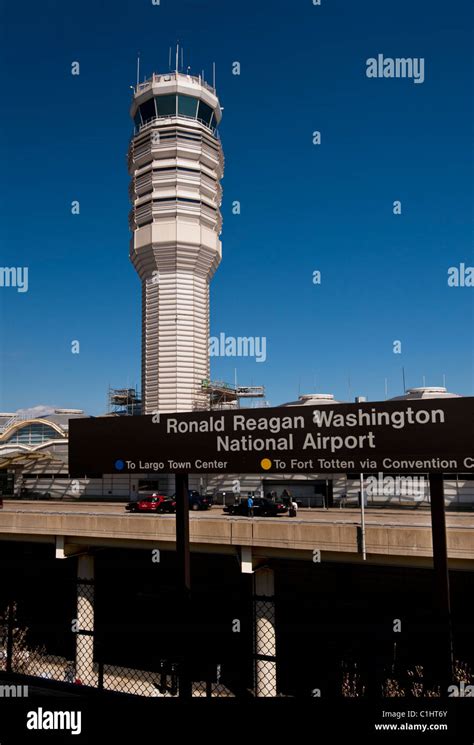
In a decisive move that underscores growing concerns about aviation safety in Washington D.C.’s congested airspace, the U.S. Army has suspended helicopter flights near Ronald Reagan Washington National Airport. This suspension follows a high-profile incident last week that prompted federal scrutiny and bipartisan condemnation, spotlighting the delicate balance between military operations and civilian aviation safety.
The suspension affects the 12th Aviation Battalion, the specialized unit responsible for transporting high-level political officials during emergencies. According to Lt. Col. Patrick Husted, the battalion’s spokesperson, the measure is temporary and will remain in place pending the outcome of an internal investigation. This decision arrives just days after Transportation Secretary Sean Duffy sharply criticized military VIPs, urging them to “take a taxi or Uber” instead of utilizing helicopters to traverse the nation’s capital.
Army’s Decision: A Response to Airspace Intrusion and Public Risk
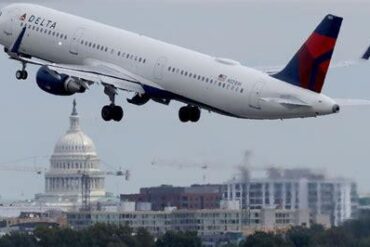
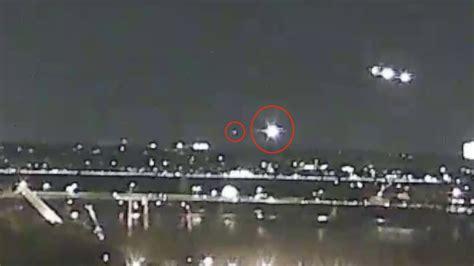
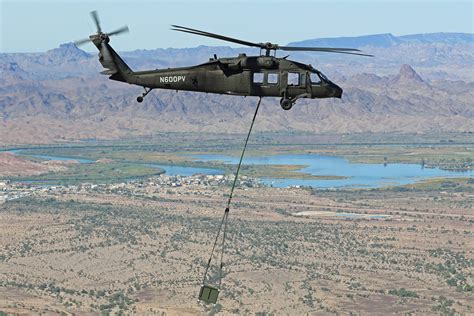
The catalyst for the Army’s decision was a Thursday incident involving a Black Hawk helicopter that deviated from standard flight paths, flying a “scenic route” around the Pentagon instead of following the direct, FAA-approved corridor from the west. The deviation disrupted operations at Reagan National Airport, forcing air traffic controllers to issue go-around orders to two commercial airliners attempting to land.
This incident compounded the scrutiny already surrounding the Pentagon’s flight corridor after a fatal mid-air collision in January that claimed 67 lives. That crash, involving another Black Hawk from the 12th Aviation Battalion and a commercial airliner, remains under investigation by the National Transportation Safety Board (NTSB).
In light of this history, Secretary Duffy’s reaction was swift and blunt. On social media, he declared the flight path violation “unacceptable” and publicly committed to pressing the Department of Defense for answers on why flight protocols were ignored. “Our national airspace isn’t a playground,” Duffy stated. “Lives are at stake, and the rules exist for a reason.”
DOT Intervenes: Curtailing Unsafe Flight Patterns
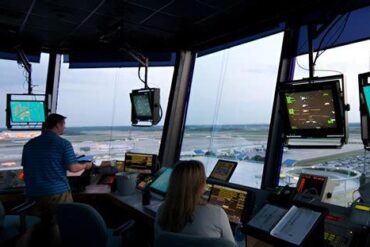
Following the January disaster, the Department of Transportation took proactive steps to reduce risk by shuttering some helicopter flight routes that traversed near Reagan National. Air traffic control tower staff were reshuffled in response to procedural lapses, and the FAA launched a broader review of air traffic coordination in the capital region.
Last week’s near-miss only intensified these actions. DOT sources indicate the agency is considering a complete overhaul of D.C.’s VIP helicopter protocols, particularly those originating or landing near high-traffic civilian zones. DOT officials are also reportedly in discussions with the Pentagon to introduce stricter time-of-day restrictions and impose altitude thresholds to minimize future interference with commercial aviation.
Bipartisan Backlash and Legislative Pressure Mounts
The aviation scare has galvanized bipartisan lawmakers, especially those who have already expressed concern over Reagan National’s increasing traffic load and proximity to downtown D.C. Among them, Senate Commerce Chair Ted Cruz (R-Texas) condemned the Army’s actions, accusing it of repeatedly jeopardizing public safety.
“The Army is once again putting the traveling public at risk,” Cruz declared on X (formerly Twitter), vowing to draft legislation aimed at protecting Reagan National passengers. Such measures could include limiting or rerouting military flights, mandating advanced civilian coordination, and instituting punitive consequences for future airspace breaches.
Other legislators from both parties echoed Cruz’s alarm, emphasizing the need to maintain a clear separation between military and civilian flight operations in one of the country’s most sensitive airspaces. Lawmakers argue that despite the unique responsibilities of the 12th Aviation Battalion, VIP convenience must not come at the cost of aviation safety.
Army’s Official Response and Protocol Defense
Despite the uproar, the Army has defended the actions of its flight crew, asserting that the Thursday flight was conducted “in accordance with published FAA flight routes.” Army spokesperson Capt. Victoria Goldfedib clarified that the helicopter was directed by Pentagon controllers to execute a go-around maneuver above the helipad, a maneuver that unintentionally triggered reactive measures from Reagan National’s tower.
“The Army remains committed to aviation safety and conducting flight operations within all approved guidelines and procedures,” Goldfedib said. She noted that the military is cooperating fully with all investigations and will apply corrective action if procedural faults are discovered.
However, the broader narrative of accountability and prevention remains front and center. Military experts acknowledge that D.C.’s airspace, already among the most complex in the world, demands seamless synchronization between civilian and military air traffic controllers. Deviations—even minor—can rapidly escalate into emergencies, particularly when commercial aircraft are involved.

A History of Close Calls and a Pattern of Concern
The January crash was not an isolated event. Reagan National has seen a spike in near-miss incidents over the past five years, many involving government aircraft maneuvering near restricted or high-volume zones. In several documented cases, flight crews failed to notify civilian towers of unplanned altitude shifts or route deviations, causing last-minute evasive action from commercial pilots.
While most of these incidents ended without physical harm, the psychological and operational toll on civilian pilots, ground controllers, and passengers has been substantial. These events have triggered simulations, retraining efforts, and discussions on airspace redesign to better accommodate overlapping federal and commercial interests.
The challenge is exacerbated by the unique geography of the D.C. region, where critical military, intelligence, and political facilities lie within minutes of busy public airports. VIP helicopters frequently shuttle between classified facilities, the Pentagon, Capitol Hill, and Andrews Air Force Base, threading a needle through a volatile air corridor. Until now, reliance on institutional deconfliction protocols had largely prevented tragedy, but the recent pattern reveals cracks in that trust.
The Path Ahead: Investigations, Reforms, and Rebuilding Trust
The immediate next step for the Army is the completion of its internal review. Sources close to the investigation indicate that flight data recorders, air traffic logs, and cockpit communication from the Thursday incident are being analyzed to determine whether pilot discretion, controller error, or procedural ambiguity was at fault.
In parallel, the FAA and NTSB are expected to publish updated guidance on D.C. helicopter operations within the next 60 days. These may include:
- Revised minimum separation standards for mixed aircraft in controlled airspace
- Updated training requirements for military pilots operating in civilian corridors
- Mandatory real-time communication checks between Pentagon and FAA control centers
Longer-term, policymakers are considering whether to limit VIP helicopter privileges to reduce congestion. Although sensitive, such moves may be necessary to reestablish public trust in aviation safety at Reagan National.
Conclusion: Military-Civilian Aviation Harmony at a Crossroads
The Army’s suspension of helicopter flights near Reagan National is a clear acknowledgment of systemic tension between mission-critical military mobility and the safety of the traveling public. As investigations continue and reforms are debated, the priority must remain centered on transparency, coordination, and an unyielding commitment to safe skies.
While helicopter transport remains a vital asset for national security and emergency preparedness, its execution must not come at the cost of routine civilian travel. The challenge now is for military, civilian, and regulatory bodies to craft a framework where both can coexist — safely, efficiently, and without tragedy.