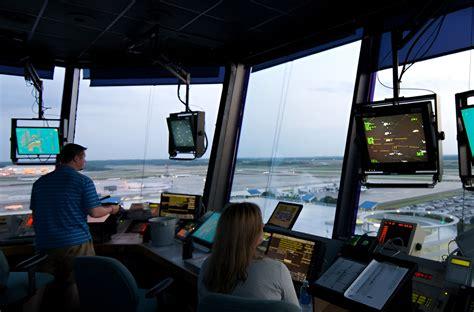
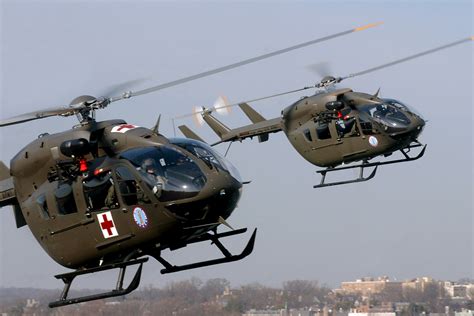
The revelation that a critical hotline between military and civilian air traffic controllers in Washington, D.C. has been out of service for over three years has sparked significant safety concerns, particularly in light of recent near-miss incidents. This hotline, which serves as a crucial communication link, has been nonfunctional since March 2022, potentially contributing to a series of alarming air safety incidents, including a close call involving a military helicopter and commercial air traffic earlier this month. The issue came to light during a Senate Commerce Committee hearing, where officials from the Federal Aviation Administration (FAA) and Department of Defense faced intense scrutiny over the matter.
Critical Communications Gap Uncovered
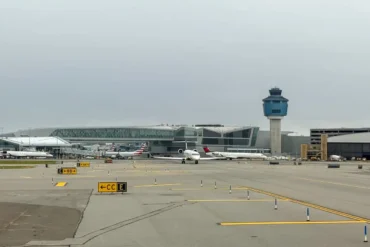
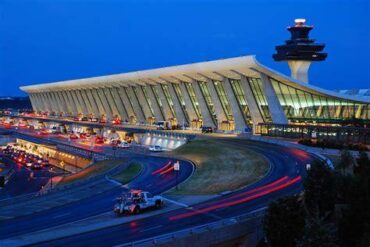
The FAA’s Frank McIntosh, the top official responsible for air traffic controllers, admitted that his agency was unaware of the hotline’s prolonged outage until after the latest near miss. This critical line, designed to provide immediate, direct coordination between military operations and air traffic control at Ronald Reagan Washington National Airport (DCA), had been offline without the knowledge of the very people responsible for ensuring the safety of U.S. airspace.
McIntosh noted that while civilian controllers retained access to standard landlines for communication, the absence of the dedicated hotline deprived them of a faster, more direct link, which is particularly crucial in fast-moving situations where military and civilian aircraft share crowded airspace. The FAA is now demanding that the hotline be restored before helicopter flights can resume around the DCA area.
Ongoing Safety Risks and Legislative Oversight
Senator Ted Cruz, who chairs the Senate Commerce Committee, expressed deep concern over this breakdown in aviation safety infrastructure, stating, “The developments at DCA in its airspace are extremely concerning. This committee remains laser-focused on ensuring a safe return to operations.” The Army had already suspended helicopter flights around Reagan Airport after the recent near miss, but McIntosh confirmed that the FAA had been prepared to take the unprecedented step of ordering the Army to ground its aircraft if the situation had not been resolved.
Deadly Consequences of Communication Failures
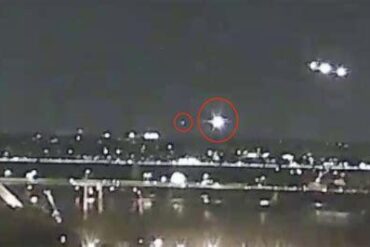
The urgency of the matter is underscored by the January 2025 crash involving an American Airlines jet and a Black Hawk helicopter, which claimed 67 lives, marking it as the deadliest U.S. plane crash since 2001. The National Transportation Safety Board (NTSB) has documented 85 near misses in the three years preceding this crash, a disturbing statistic that has drawn intense regulatory scrutiny.
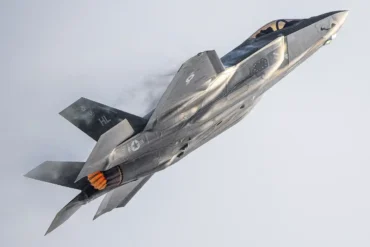
In one particularly close call on May 1, two commercial jets approaching DCA were ordered to abort their landings after an Army helicopter unexpectedly entered their airspace. In another incident, a departing commercial flight had to take evasive action to avoid four military jets heading to Arlington National Cemetery for a ceremonial flyover. McIntosh cited “miscommunication” between FAA air traffic controllers at a regional facility and the DCA tower as the cause of this incident, noting that corrective measures have been implemented.
Demand for Immediate Corrective Action
While the FAA and Pentagon have pledged to address these gaps, there remains significant pressure from lawmakers and the public to ensure that the hotline is swiftly restored and that robust safeguards are put in place to prevent future tragedies. The incident has also highlighted broader concerns about the adequacy of coordination between military and civilian air traffic controllers in one of the most complex and congested airspaces in the world.
As the Department of Defense continues to evaluate its flight protocols, the FAA has committed to heightened oversight of helicopter operations near Washington, underscoring the critical need for seamless communication to protect both military and civilian lives in the skies over the nation’s capital.