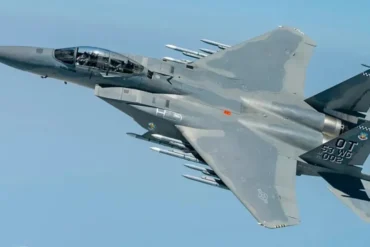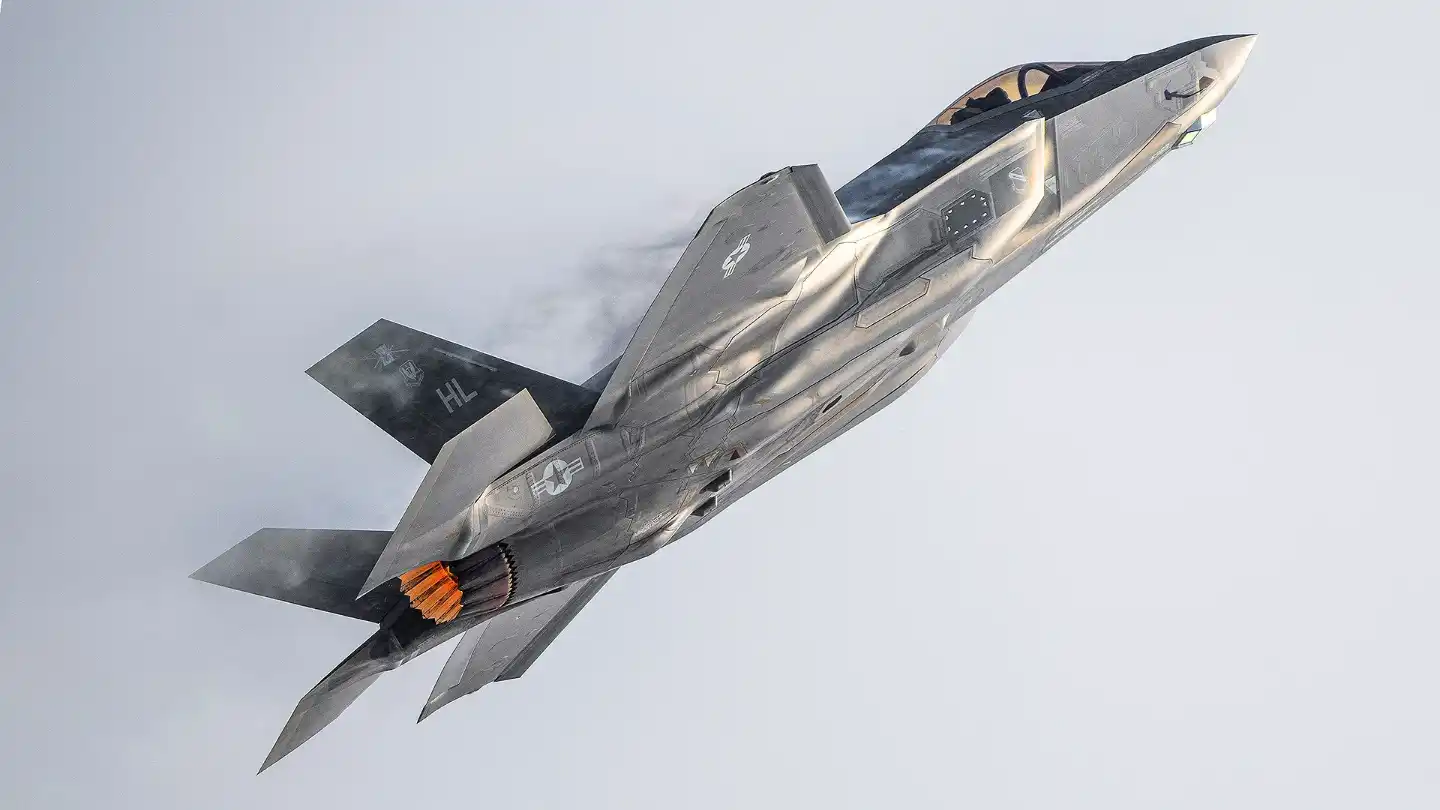
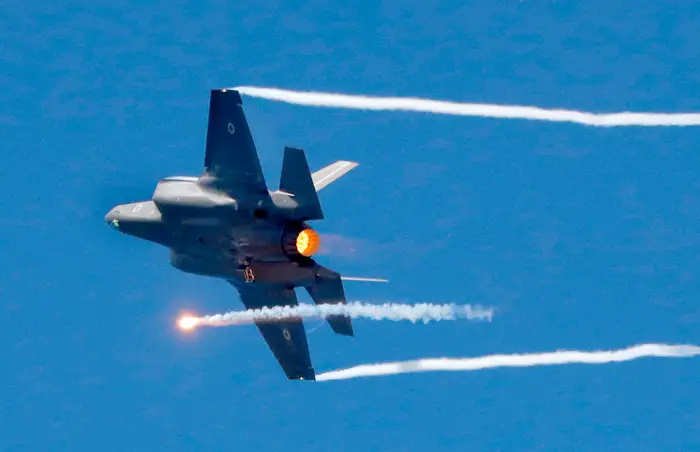
In a striking turn of events, a U.S. military F-35 found itself narrowly avoiding disaster over Yemen when Houthi rebels launched a surface-to-air missile at the advanced fighter jet. The incident, confirmed by a U.S. official, forced the pilot to take immediate evasive action, highlighting both the vulnerability and the evolving challenges of deploying such high-tech platforms in irregular conflict zones. While the missile missed its mark, the encounter has sparked a broader debate about the F-35’s role, performance, and the strategic decisions behind its deployment.
The High Stakes of Losing an F-35
Had the Houthi missile found its target, it would have marked a significant symbolic and financial blow to U.S. military power. The F-35 is widely regarded as one of the world’s most advanced fighter jets, designed for stealth and multi-role missions, including penetrating heavily defended airspace and neutralizing high-value targets like airfields, radar stations, and shipyards. According to Dan Grazier, a senior fellow at the Stimson Center in Washington, D.C., the loss of an F-35 to a non-state actor like the Houthis would have severely undercut the jet’s reputation.
“The reason why the American people have sacrificed hundreds of billions of dollars already on this program is that it was supposed to be the fighter jet of the future,” Grazier stated. “If one of those got shot down by a non-state actor, that would really put a lie to all the claims about the magical capabilities of the F-35.”
Mounting Costs and Performance Gaps
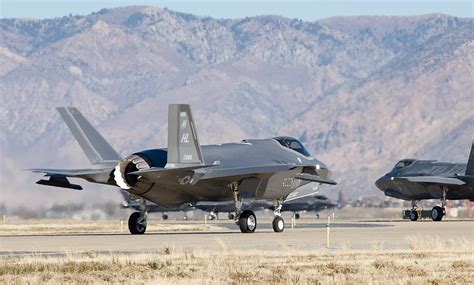
Since its inception, the F-35 program has been a lightning rod for controversy, plagued by cost overruns, delays, and performance issues. Originally envisioned as a cost-effective, high-performance workhorse for the U.S. Air Force, Navy, and Marine Corps, the F-35’s projected lifetime cost has ballooned to an eye-watering $2.1 trillion, covering a 94-year lifespan from 1994 to 2088. This staggering figure includes the production, modernization, and sustainment of 2,456 aircraft by 2049.
The individual price tag for each variant reflects their different operational roles:
- F-35A (Air Force) – $82.5 million per unit
- F-35B (Marine Corps, short takeoff/vertical landing) – $109 million per unit
- F-35C (Navy/Marine Corps, carrier operations) – $102.1 million per unit
Despite these costs, the F-35A has faced persistent reliability issues. The Air Force Times reported that the F-35A’s mission-capable rate — a key readiness measure — declined from nearly 69% in 2021 to just 51.5% by 2024, reflecting ongoing technical challenges and maintenance woes.
Tactical Missteps and Operational Realities
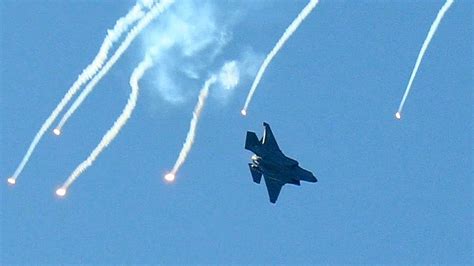
While the near-miss over Yemen raised questions about the F-35’s survivability, some experts argue that the incident speaks more to the broader tactical challenges of modern air warfare than to the aircraft’s intrinsic weaknesses. Richard Aboulafia, managing director of AeroDynamic Advisory, emphasized that the Houthi threat, while significant, represents a fundamentally different kind of adversary than the near-peer competitors the F-35 was designed to counter.
“The F-35 is a very capable weapon,” Aboulafia noted. “If you misuse it by refusing to understand history, that’s one thing. But the weapon itself and its capabilities, that’s a completely different issue.”
Aboulafia’s comments underscore a critical distinction: the F-35 is optimized for high-intensity conflicts involving sophisticated air defenses, not necessarily for the decentralized, irregular warfare that characterizes Yemen’s battlefields. The Houthis, with their scattered forces and rudimentary but sometimes surprisingly effective air defenses, present a less conventional but still dangerous threat.
Learning from Past Mistakes
Comparisons have been drawn to past conflicts where advanced U.S. aircraft encountered unexpected resistance. During the 1999 Kosovo War, for instance, a Serbian missile battery famously downed an F-117A Stealth Fighter, demonstrating that even the most advanced stealth technology is not invulnerable. Such incidents serve as stark reminders that no aircraft, no matter how sophisticated, is entirely immune from the risks of modern air combat.
A Cautionary Tale for Future Conflicts
The near loss of an F-35 over Yemen should serve as a cautionary tale for military planners. The episode underscores the need for clearer strategic thinking about when and where to deploy such high-value assets. While the F-35 remains a formidable weapon against sophisticated air defenses, its value in lower-intensity conflicts, where the lines between regular and irregular combat blur, may be more limited.
As the U.S. Air Force continues to refine the F-35’s software and capabilities, the lessons from this close call should shape future decisions about the jet’s tactical role, ensuring that it lives up to the enormous investment it represents.