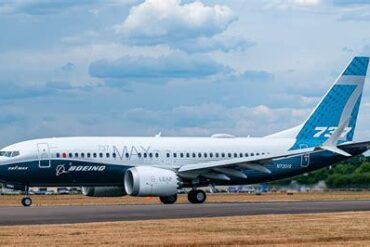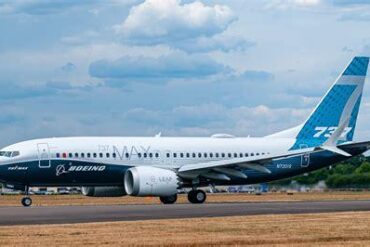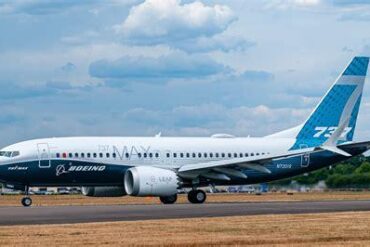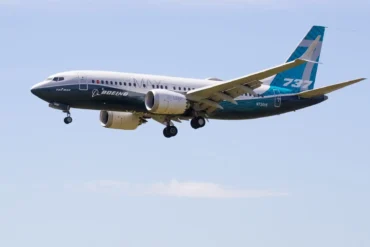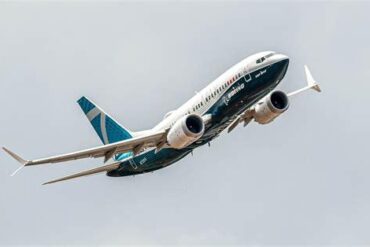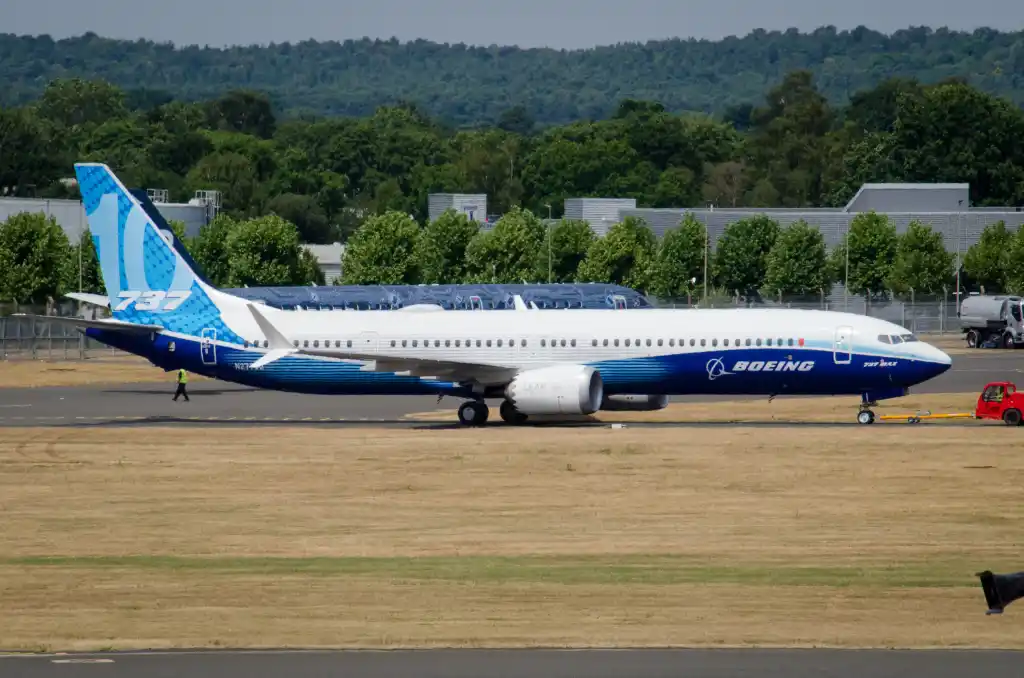
Boeing’s 737 MAX 10, the largest and most commercially strategic member of the MAX family, has entered a decisive phase in its long-running certification journey. As of January 9, 2026, the aircraft has begun final-stage flight testing under the FAA’s Type Inspection Authorization, marking tangible progress after years of regulatory, technical, and reputational headwinds. For Boeing, this milestone is less about celebration and more about credibility, execution, and restoring confidence in its narrowbody roadmap.
The MAX 10 sits at the center of Boeing’s effort to counter Airbus’s A321neo, an aircraft that has steadily dominated the high-capacity single-aisle market. Designed to carry more passengers with lower per-seat costs, the MAX 10 is meant to be Boeing’s workhorse for dense short- and medium-haul routes. Yet despite strong airline demand and more than 1,200 orders, the aircraft remains grounded by unresolved certification hurdles, most notably a stubborn engine de-icing issue that regulators are unwilling to wave through.
The FAA’s approval to proceed into the second phase of flight testing allows Boeing to expand evaluations into avionics, propulsion, and integrated systems performance. This step confirms that earlier test data met baseline expectations, but it does not signal imminent certification. The agency’s posture remains cautious, shaped by lessons from earlier MAX failures and reinforced by a broader shift toward hands-on regulatory oversight.
The mood surrounding the program is best captured by aerospace analyst Scott Hamilton’s blunt assessment: progress matters, but certification is the only finish line that counts. Until that point, the MAX 10 exists in a costly limbo—engineered, ordered, but not yet deliverable.
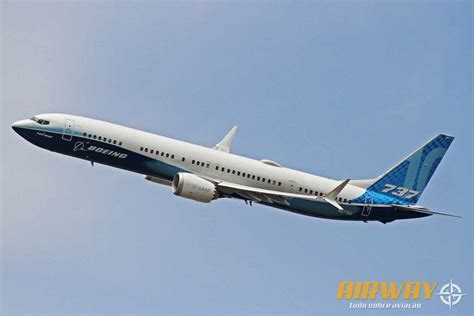
Why the 737 MAX 10 Is Central to Boeing’s Narrowbody Strategy
From a market perspective, the MAX 10 is not optional for Boeing. Airlines increasingly favor high-capacity narrowbody jets that can replace aging A321ceos and older widebodies on thinner routes. The MAX 10 promises higher seating density, improved fuel efficiency, and lower operating costs, positioning it as a critical asset for fleet modernization.
Without certification, however, Boeing cannot unlock full-rate production. This directly impacts cash flow, delivery schedules, and customer planning. Airlines that structured growth strategies around the MAX 10 have been forced to extend leases, reshuffle capacity, or lean more heavily on Airbus. Each delay quietly compounds competitive pressure on Boeing, especially as Airbus continues to deliver A321neos at scale.
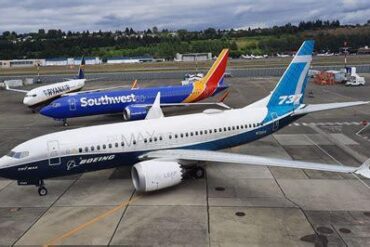
The MAX 10’s fate is also intertwined with the smaller 737 MAX 7, which remains uncertified under similar regulatory constraints. Together, these two aircraft represent the unfinished business of the MAX program. Their approval would close a chapter that has stretched far longer than Boeing originally envisioned.
Engine De-Icing Performance Remains the Certification Flashpoint
At the heart of the delay lies a technical concern with engine inlet anti-ice systems. Regulators have identified rare but credible scenarios in which ice accumulation could shed into the engines, potentially damaging components or affecting thrust during critical phases of flight. While the probability is low, modern certification philosophy prioritizes failure tolerance over statistical comfort.
Boeing’s response has involved a mix of software refinements, system logic adjustments, and validation testing. Each proposed fix must demonstrate compliance not just in isolation, but across the aircraft’s integrated architecture. The FAA has made it clear that partial solutions or procedural workarounds will not suffice.
This scrutiny extends beyond the de-icing system itself. The MAX 10 is being evaluated in the context of Boeing’s broader manufacturing and quality-control reforms. The regulator’s confidence in the aircraft is inseparable from its confidence in the company’s processes.
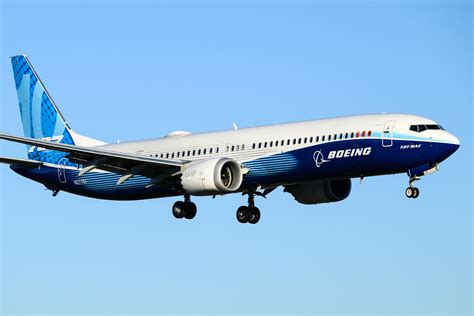
Regulatory Oversight Redefines Timelines and Expectations
The prolonged certification timeline reflects a structural change in how aircraft are approved, not a temporary bottleneck. Post-MAX reforms have reshaped the FAA’s role, reducing delegation and increasing direct involvement. For Boeing, this means slower progress, deeper audits, and fewer opportunities to negotiate timelines.
While some production caps have eased, any meaningful ramp-up remains contingent on sustained compliance improvements. Certification of the MAX 10 and MAX 7 is therefore as much a test of organizational discipline as it is of engineering competence.
Despite this, airline confidence has not evaporated. Several carriers have reaffirmed commitments to the MAX 10, citing its long-term economics and network flexibility. These decisions suggest that while patience is thinning, belief in the aircraft’s value proposition remains intact.
Industry Implications and the Road Ahead
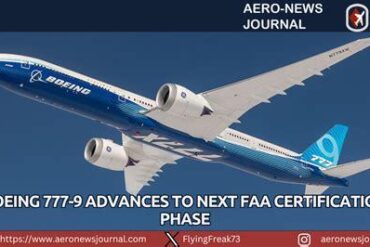
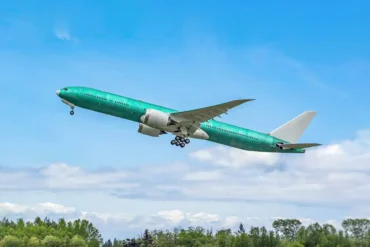
The MAX 10’s journey unfolds against a backdrop of wider certification challenges, including delays to the 777-9. Together, these programs illustrate the operational strain of navigating multiple regulatory campaigns under heightened scrutiny. Each milestone achieved is incremental, but meaningful.
Looking forward, successful certification could trigger a wave of deferred deliveries beginning in late 2026 or beyond. That outcome would stabilize Boeing’s narrowbody portfolio and rebalance competition in the single-aisle market. Until then, the MAX 10 stands as a reminder that in modern aerospace, technical readiness is only half the equation. Regulatory trust, once lost, must be rebuilt bolt by bolt, test by test.