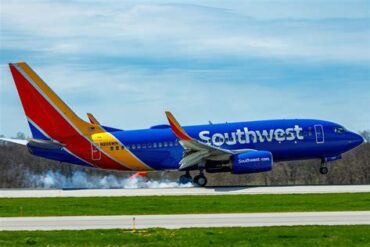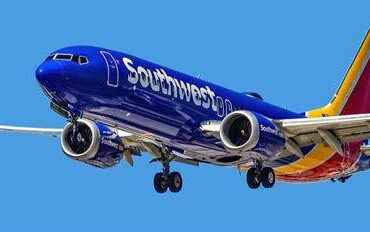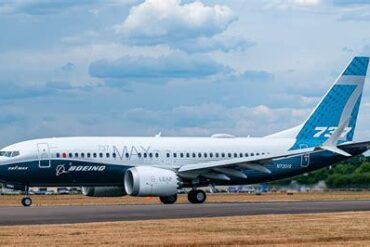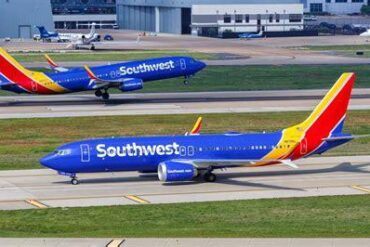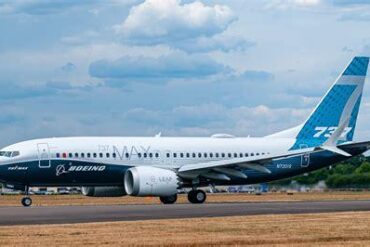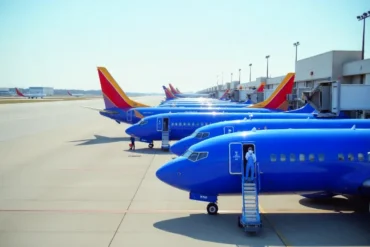
The long-delayed Boeing 737 MAX 7 is finally approaching the regulatory finish line, with Southwest Airlines expecting its Federal Aviation Administration (FAA) certification by August 2026. This milestone will come nearly four years after the aircraft’s originally planned entry into service, highlighting the immense regulatory and technical hurdles faced by Boeing. With a backlog of over 400 MAX aircraft on order and nearly 300 already in active operation, Southwest remains Boeing’s most significant customer for the 737 MAX line — particularly the shortened MAX 7 variant, which is purpose-built for Southwest’s operational model.
FAA Certification Expected by Mid-2026
Southwest CEO Bob Jordan shared that the airline anticipates the MAX 7’s certification around mid-to-late summer 2026, following years of persistent delays. Boeing has reportedly communicated this timeline directly to Southwest, with Jordan commenting during a Wings Club event in New York that “Boeing has said kind of mid-next summer. I would guess it’ll be certified, you know, maybe, August of 2026.”
This aligns with Boeing’s revised expectations following earlier projections that aimed for FAA approval by early 2026. The MAX 7’s protracted timeline reflects the broader challenges Boeing has faced in recent years across its MAX family, compounded by technical setbacks and regulatory scrutiny post the 737 MAX 8 grounding.
A Four-Year Delay: Impact on Southwest’s Operations
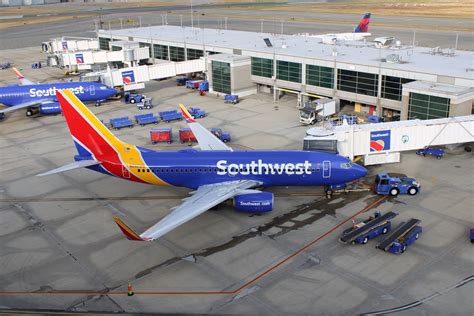
Initially expected to join Southwest’s fleet in 2022, the MAX 7 has now missed several operational windows, pushing its service debut into early 2027 at the earliest. As the launch customer of this variant, Southwest’s strategic fleet modernization has been directly impacted. The MAX 7, with its shorter fuselage and higher fuel efficiency, was tailored for Southwest’s short-haul, high-frequency network. Its absence from the fleet has required the airline to rely more heavily on existing 737 models, delaying the retirement of aging aircraft.
Boeing’s Technical Roadblocks and Regulatory Challenges
The 737 MAX program has been under regulatory magnification since the MAX 8 crashes of 2018 and 2019. While the MAX 8 was recertified in late 2020, the MAX 7 and MAX 10 faced ongoing delays. A major issue was related to the aircraft’s engine de-icing system, prompting Boeing to withdraw its request for a regulatory exemption for the Stall Management Yaw Damper (SMYD) system this past summer.
In response, Boeing announced the completion of a redesigned anti-icing system, which will be integrated into new-build aircraft and retrofitted onto existing planes. This redesign was critical for satisfying FAA safety requirements and moving the MAX 7 closer to operational readiness.
Southwest’s Fleet Strategy Hinges on the MAX
Despite delays, Southwest’s confidence in Boeing remains robust. The airline has aggressively continued inducting newer MAX 8 aircraft while planning for the eventual delivery of the MAX 7 and MAX 10 variants. Data from ch-aviation reveals that Southwest operates over 500 Boeing 737NGs, including 310 737-700s and nearly 200 737-800s, alongside close to 300 MAX 8s.
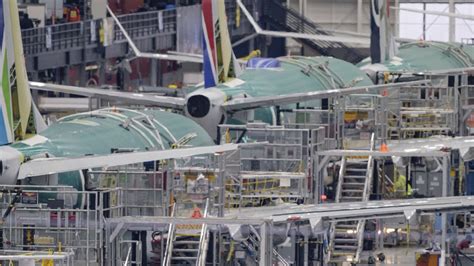
The strategy is clear: as newer MAX jets arrive, older 737NGs will be gradually retired, optimizing fuel efficiency and reducing maintenance costs. In 2025 alone, Southwest received 50 MAX deliveries, a figure more than double the 22 units delivered in 2024. This acceleration was facilitated by the FAA’s recent approval allowing Boeing to increase MAX production from 38 to 42 aircraft per month.
Looking Ahead: What the MAX 7 Means for Southwest
Once certified, the MAX 7 will be instrumental in enabling Southwest to strengthen its position as a low-cost leader. The aircraft’s shorter range but higher seating flexibility makes it ideal for secondary and high-frequency domestic routes. Its improved fuel burn, lower emissions, and maintenance cost advantages also align with Southwest’s sustainability and efficiency targets.
However, delays in certification mean the airline must continue operating older jets for longer than planned, possibly impacting long-term cost savings and operational efficiency. The MAX 7’s eventual debut will not only mark a significant step for Boeing in regaining industry confidence but will also serve as a milestone in Southwest’s modern fleet evolution.
Until then, all eyes remain on Boeing’s ability to meet the FAA’s safety standards, complete necessary retrofits, and keep its production pipeline stable — all crucial steps if the MAX 7 is to finally take to the skies under the Southwest livery in 2027.