Southwest Airlines has reaffirmed its commitment to Boeing as it prepares for the long-anticipated arrival of the Boeing 737 MAX 7, with deliveries now scheduled by the end of 2026. Despite certification setbacks, the carrier remains confident that this aircraft will play a transformative role in its fleet renewal strategy, enabling improved efficiency, operational flexibility, and a better passenger experience.
Boeing 737 MAX 7: Certification Delays and Regulatory Challenges
The road to certification for the 737 MAX 7 has been lengthy and complicated. Technical challenges with the CFM International LEAP-1B engines, particularly issues in the anti-ice system that led to overheating and damage during bird ingestion incidents, prompted deeper scrutiny from the Federal Aviation Administration (FAA) and the European Union Aviation Safety Agency (EASA). These regulatory bodies demanded additional testing and design modifications, pushing the expected certification date into early 2026. While such delays have slowed the delivery schedule, they have also resulted in stricter safety protocols and reinforced Boeing’s focus on quality and reliability.
Southwest Airlines has publicly expressed appreciation for Boeing’s renewed commitment to robust production standards. By prioritizing safety over speed, Boeing has gained Southwest’s confidence, ensuring that the MAX 7 will meet the airline’s operational needs and comply with the highest regulatory standards upon delivery.
Southwest’s Strategic Commitment to the MAX Series
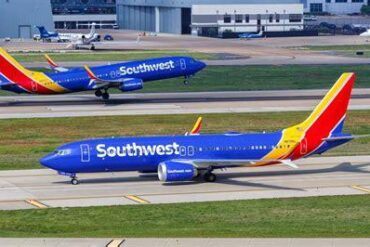
Southwest Airlines has an all-Boeing 737 fleet, making the MAX 7 and MAX 8 central to its growth and modernization plans. Currently, the airline holds 672 firm orders—evenly split between the MAX 7 and MAX 8—underscoring the depth of its partnership with Boeing. This strategic focus allows Southwest to streamline maintenance, training, and operations while gaining access to aircraft with better performance metrics than their predecessors.
The MAX 7, with its smaller size but longer range, is particularly attractive for short-to-medium-haul markets and for routes where larger aircraft may be less cost-effective. Its flexibility will also support Southwest in expanding its domestic and near-international network, positioning the airline to compete more effectively in emerging markets while maintaining its reputation for low-cost travel.
Fleet Modernization: Phasing Out Older 737-800s
The replacement of aging 737-800s with new MAX models represents a major milestone in Southwest’s fleet rejuvenation. Beyond the immediate benefits of reduced fuel burn and maintenance costs, the 737 MAX 7 offers:
- Fuel Efficiency: Advanced aerodynamics and more efficient LEAP-1B engines deliver significant reductions in fuel consumption, aligning with Southwest’s sustainability goals.
- Enhanced Cabin Comfort: Passengers will enjoy quieter engines, improved air quality, and upgraded interior configurations, ensuring a more enjoyable flying experience.
- Operational Flexibility: The MAX 7’s extended range and improved performance open up opportunities for new regional and cross-border routes, giving Southwest a competitive edge in underserved markets.
These changes are crucial as the airline seeks to balance profitability with environmental responsibility, a growing demand among travelers and stakeholders.
Delivery Outlook: What’s Next for Southwest?
Southwest’s delivery pipeline for 2025 includes 47 Boeing 737 MAX 8s, a step up from the 38 MAX 8 deliveries expected this year. This accelerated intake signals a successful ramp-up in Boeing’s production capabilities and sets the stage for the introduction of the MAX 7 in 2026. According to Southwest’s Chief Financial Officer, Tom Doxey, the airline’s confidence in this timeline reflects its readiness to integrate these jets into operations as soon as certification is secured.
Once in service, the MAX 7 will enhance Southwest’s ability to optimize capacity across its route network. The aircraft’s lower operating costs and improved efficiency will help the airline maintain its low-fare model even in the face of rising fuel prices and operational expenses.
Passenger-Centric Enhancements
The 737 MAX 7 isn’t just about cost savings and operational efficiency—it’s also a leap forward for passengers. Travelers can expect quieter cabins, larger overhead bins, better seating layouts, and enhanced inflight comfort. These updates will elevate the passenger experience while maintaining the airline’s signature open seating policy and customer-friendly approach.
A Step Toward Sustainability
Sustainability remains a core focus for Southwest. The MAX series aircraft emit less CO2 per seat mile compared to older models, making them a key component in the airline’s broader environmental strategy. This shift supports Southwest’s goal of achieving carbon neutrality by 2050 and positions the carrier as a leader among low-cost airlines in adopting eco-conscious technologies.
Looking Ahead: Building the Future of Southwest
As Southwest Airlines approaches its 55th anniversary, the arrival of the 737 MAX 7 marks a new chapter in its evolution. This aircraft will enable the airline to expand strategically, enhance customer satisfaction, and maintain its standing as the most successful low-cost carrier in the United States. By investing nearly $300 million in its modernization plan, Southwest is ensuring that its fleet remains competitive, sustainable, and well-suited for the dynamic demands of 21st-century aviation.
While challenges in certification have delayed the timeline, Southwest’s unwavering confidence in Boeing signals a clear belief that the MAX 7 will be worth the wait. As the first aircraft are expected to arrive in late 2026, Southwest is on track to solidify its market position, usher in a new era of efficiency, and deliver on its promise to provide affordable, reliable, and enjoyable air travel for millions of passengers.
With the 737 MAX 7 poised to enter service, the skies look promising for Southwest Airlines—a carrier that continues to innovate while staying true to its core values of low-cost fares, operational excellence, and customer care.