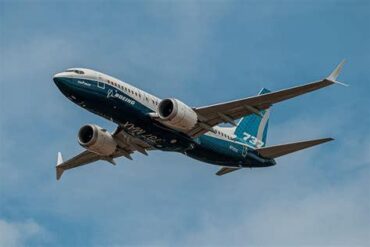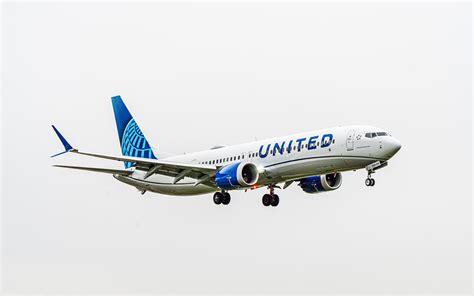
United Airlines is preparing for one of the most aggressive fleet expansion phases in modern US aviation, with 55 Boeing 737 MAX 9 aircraft scheduled for delivery during 2026 as part of a broader intake of 87 new airplanes. The Chicago-based carrier is continuing its large-scale modernization strategy while positioning itself for sustained growth in both domestic and international markets.
The incoming MAX 9 fleet will become the centerpiece of United’s narrowbody operations, reinforcing the airline’s status as the world’s largest operator of the aircraft type. The deliveries also represent another major step in the airline’s long-term United Next transformation plan, a strategy focused on replacing aging aircraft, increasing premium seating capacity, and modernizing onboard technology across the fleet.
United already operates one of the world’s largest commercial airline fleets, with more than 1,100 aircraft in active service. Yet the airline’s order book remains enormous. According to fleet data from ch-aviation, United still has hundreds of aircraft awaiting delivery from both Boeing and Airbus, including MAX family aircraft, Dreamliners, A321neos, and A321XLRs.
The scale of the investment highlights how aggressively United is preparing for future travel demand while competitors continue balancing fleet shortages, delivery delays, and operational constraints.
United Airlines Expands Its Boeing 737 MAX 9 Dominance
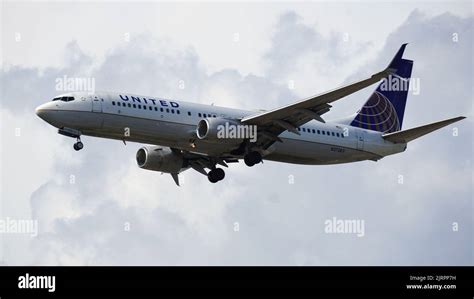
United Airlines already operates 152 Boeing 737 MAX 9 aircraft, including 148 active jets and four temporarily inactive airframes. These aircraft currently average just 2.8 years in age, making them among the youngest narrowbody fleets in the United States.
The arrival of another 55 MAX 9s this year will dramatically strengthen that position. Once delivered, United’s remaining MAX 9 backlog would shrink to only 16 aircraft scheduled beyond 2026. The airline has steadily increased reliance on the MAX family because of its improved fuel efficiency, lower maintenance requirements, and enhanced passenger capacity compared to older-generation narrowbody jets.
United’s MAX 9 configuration has become particularly important to its domestic strategy. The aircraft are expected to feature the carrier’s now-standard 179-seat layout, including:
- 20 Domestic First seats
- 45 Economy Plus seats
- 114 Economy seats
This premium-heavy cabin design aligns directly with United Next, which prioritizes higher-margin seating and upgraded passenger amenities. Compared to older Airbus narrowbodies currently flying for United, the MAX 9 offers significantly improved economics while allowing the airline to increase premium inventory on key routes.
Aging Airbus A319 And A320 Fleets Near Retirement
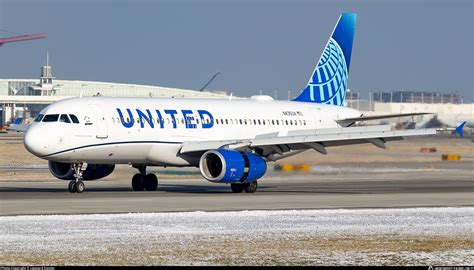
A major reason behind the MAX 9 delivery surge is United’s accelerating retirement plan for older Airbus aircraft. Many of the carrier’s Airbus A319-100 and A320-200 jets are now between 24 and 26 years old, placing them among the oldest narrowbody aircraft still operating in large numbers within the US market.
Rather than extending the life of those jets through expensive overhauls, United is replacing them with next-generation aircraft that deliver lower fuel burn and better operational reliability.
The transition is not limited to Boeing aircraft alone. United also has substantial Airbus orders in place, particularly for the Airbus A321neo and the long-range A321XLR. Together, these aircraft will gradually replace aging Boeing 757-200 jets, some of which are approaching nearly three decades of active service.
Delays Continue To Impact Boeing 737 MAX 10 Plans
While the MAX 9 program is moving forward rapidly, United’s long-awaited Boeing 737 MAX 10 deliveries remain stalled due to certification delays. The airline currently has 165 MAX 10 aircraft on order, making it one of the largest customers for Boeing’s biggest MAX variant.
The MAX 10 was expected to become a key component of United’s high-capacity domestic operations thanks to seating configurations ranging from 163 to 189 passengers. However, ongoing regulatory and certification complications have forced airlines to adjust fleet planning timelines.
United has reportedly considered converting some MAX 10 orders into MAX 8 or MAX 9 aircraft if delays continue. Such a move would allow the airline to maintain delivery momentum while Boeing works through the certification process.
The uncertainty surrounding the MAX 10 has become one of the aviation industry’s most closely watched fleet issues. Airlines counting on the aircraft for expansion and replacement programs now face increasingly difficult scheduling decisions as certification timelines remain unclear.
United Next Continues Reshaping The Airline
Since the COVID-19 pandemic, United Airlines has pursued one of the industry’s most ambitious modernization strategies. Unlike several competitors that retired widebody aircraft during the downturn, United retained its long-haul fleet and later capitalized on the sharp rebound in international demand.
The airline has now placed orders for more than 500 aircraft since 2021, including approximately 350 narrowbody jets and 150 widebody aircraft. These orders include Boeing 787 Dreamliners, Airbus A321neos, A321XLRs, and future Airbus A350-900 deliveries.
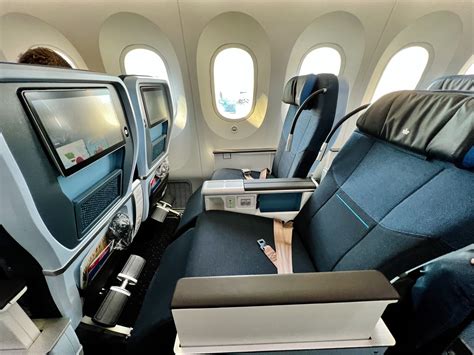
Passenger experience improvements remain central to the strategy. Newly delivered aircraft feature seatback entertainment screens, Bluetooth connectivity, power outlets at every seat, and enlarged overhead bins capable of accommodating roller bags for every passenger onboard.
United is also preparing to expand onboard connectivity through SpaceX Starlink internet service, enabling faster streaming speeds and cloud-based productivity tools during flights. The carrier plans to provide complimentary access, an increasingly competitive feature as airlines battle for premium travelers.
With 55 Boeing 737 MAX 9 deliveries expected this year alone, United’s fleet strategy is becoming increasingly clear: replace aging aircraft quickly, expand premium seating aggressively, and build one of the youngest large-airline fleets in the world.