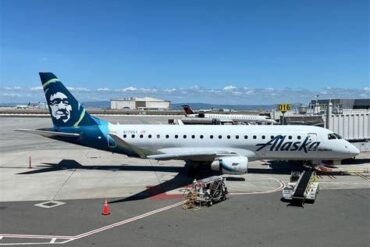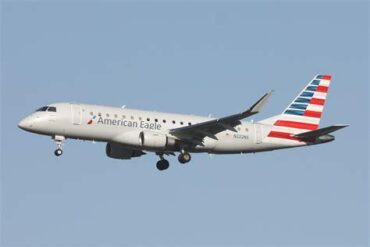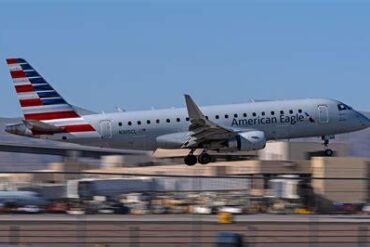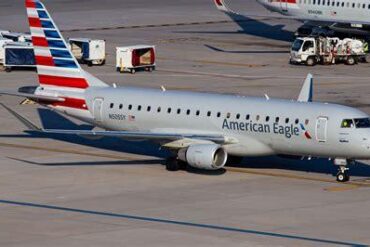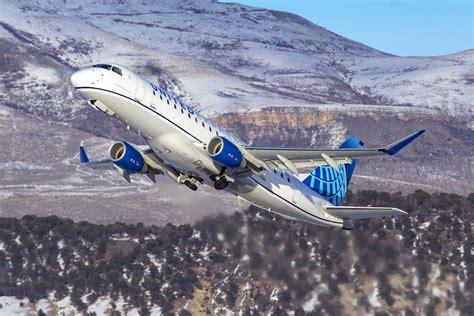
Piedmont Airlines has made a definitive strategic pivot that signals not just growth, but an evolution of purpose within the American Eagle system. With the formal announcement that it will take delivery of 45 Embraer E175 regional jets starting in Q1 2028, the regional carrier under the American Airlines Group umbrella is entering a new chapter that could redefine its long-term role in domestic connectivity.
Piedmont’s Jet Future: A Strategic Leap Beyond the E145
For decades, Piedmont Airlines has operated the dependable but aging Embraer ERJ-145. These 50-seat jets have been the backbone of Piedmont’s operations, serving short-haul routes primarily across the eastern United States. However, the regional aviation landscape has changed, with passenger expectations rising, fuel efficiency standards increasing, and regional pilot contracts evolving. The move to upgauge to the dual-class E175 is not only timely—it’s essential.
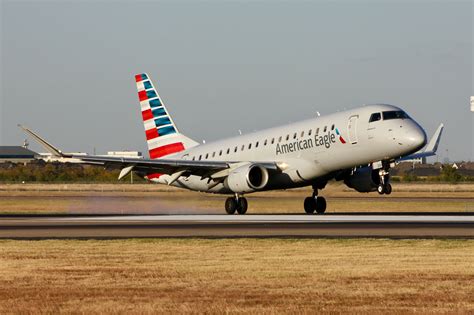
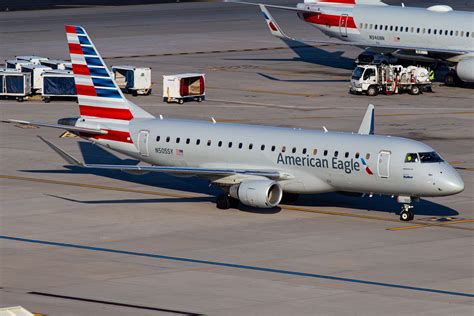
The E175 offers 76 seats in a two-class configuration, complete with first class and economy seating, marking a massive upgrade in both passenger comfort and operational efficiency. With deliveries set to begin in early 2028, these jets will begin to phase in over a multi-year schedule, potentially coexisting with the E145s well into the 2030s.
Why the E175 and Why Now?
The decision to acquire the E175 wasn’t made in a vacuum. American Airlines, the parent company of Piedmont, has increasingly favored the E175 as the aircraft of choice across its regional network. The model’s fuel efficiency, passenger appeal, and performance versatility make it an ideal aircraft for both legacy and up-and-coming routes. More importantly, the E175 is the only regional jet currently in production that meets the scope clause requirements set by mainline pilot unions.
The scope clause limits the size and weight of aircraft operated by regional affiliates. The E175, when configured to 76 seats and within a maximum takeoff weight of 86,000 lbs, meets these conditions—making it the largest aircraft regional carriers are permitted to fly without infringing on mainline territory. With the CRJ series no longer in production, the E175 stands virtually unchallenged in this space.
The E145’s Extended Stay: Not Dead Yet
Though the spotlight is on the new fleet, Piedmont has no immediate plans to retire its current workhorse. Company statements indicate that the E145 will continue flying well into the 2030s, a surprising twist for an aircraft that many assumed would be phased out sooner.
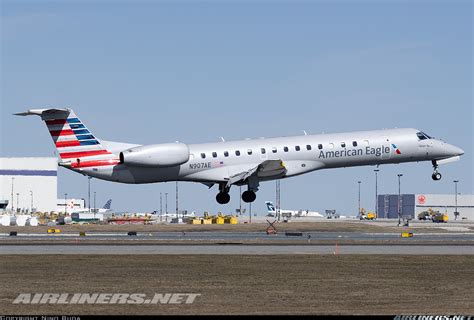
The reason? The E145 remains cost-effective for ultra-short haul routes and essential for serving underserved or lower-demand airports in the American network. While the E175s will likely be deployed on higher-density routes, the E145 will continue operating from smaller markets where larger aircraft simply don’t make economic sense.
Operational Implications: A Complex Puzzle
Transitioning to a new fleet type is far from a plug-and-play process. Piedmont will need to build up pilot training pipelines, maintenance infrastructure, and simulator availability to support the E175. That’s no small feat for a regional airline with limited economies of scale. Envoy Air, another wholly-owned regional subsidiary of American, recently built a new E175 simulator—signaling that such preparations are already in motion across the system.
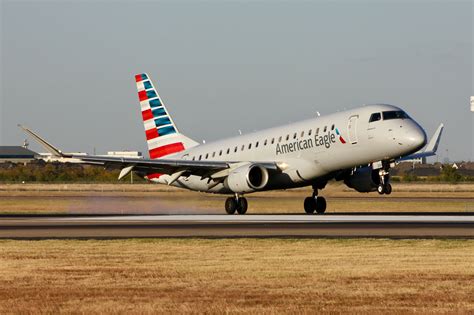
This also fuels ongoing speculation about a potential merger or closer operational integration between Piedmont and Envoy Air. Although both airlines are wholly owned by American Airlines Group, they have remained separate entities, partly to allow for internal competition and pilot management across the regional network. Merging them would simplify fleet management but introduce complex pilot bidding and seniority conflicts, especially around E175 transitions.
Merger Rumors and Industry Reactions
The aviation forums lit up with the news, with some insiders predicting a merger between Piedmont and Envoy is inevitable, especially as both airlines shift toward E175-based fleets. Others argue the fragmentation is deliberate and strategic, helping American Airlines manage costs, union obligations, and pilot flows across carriers.
Industry veterans noted that while mergers have occurred in the past—such as the integration of Trans States Airlines and Compass into Republic Airways—American has historically benefited from keeping its regionals independent. The concern lies in pilot migrations: merging Piedmont and Envoy could trigger massive equipment bids from pilots seeking better aircraft, which could disrupt service and require retraining across the board.
Pilot Flow and Training Dynamics
With the E175s coming into service, Piedmont must contend with ramp-up timelines for pilot training and retention. Pilots transitioning from the E145 to the E175 will require new type ratings, and that process—complete with simulators, check rides, and line checks—can take months per pilot.
To prevent mass shifts and protect operational reliability, carriers often implement seat lock agreements, forcing pilots to remain in their current aircraft type for a set period after training. However, these locks expire eventually. The risk remains that pilots will flock to the E175 after locks expire, particularly if it’s seen as a stepping stone to mainline flow-through programs.
There’s also the question of pilot supply. While major airlines have largely recovered from the COVID-era pilot shortage, regional carriers still face attrition pressure as pilots move up the ladder. Piedmont will need to offer competitive pay, better work rules, and growth opportunities to attract and retain talent willing to make the E175 transition.
Economic and Political Context: A Global Aircraft for a Domestic Mission
It’s worth noting that the Embraer E175 is a Brazilian-built aircraft, and its procurement adds another layer to the geopolitical conversation around aviation tariffs. The U.S. regional airline industry relies almost exclusively on foreign-built aircraft—a point raised by some industry executives who caution that protectionist policies could endanger thousands of American jobs tied to regional aviation.
American Airlines’ regional strategy hinges on a delicate balance: leveraging international supply chains to maintain a competitive domestic network. Piedmont’s E175 acquisition is a textbook example of how global cooperation underpins local mobility.
The Future Network: More Reach, More Comfort
Piedmont’s E175s will open the door to longer, denser, and more competitive routes. Unlike the E145, which is best suited for short hops of under 500 miles, the E175 can comfortably fly up to 1,800 nautical miles, making it ideal for routes like Charlotte to Des Moines, or Philadelphia to Omaha—markets that are too small for mainline jets but too demanding for the E145.
Passengers, too, will benefit. The dual-class cabin, larger overhead bins, and more spacious interiors bring mainline comfort to regional routes. For American Airlines, this enhances brand consistency and makes regional flights more appealing to elite frequent flyers, a critical demographic in the competitive loyalty space.
Conclusion: A Calculated Transformation, Not Just a Fleet Swap
Piedmont Airlines’ decision to introduce 45 E175s beginning in 2028 is far more than an equipment upgrade—it’s a calculated transformation of its market role, labor structure, and passenger experience. By embracing the E175, Piedmont positions itself as a next-generation regional carrier, fully aligned with the strategic goals of its parent company.
The industry will watch closely how Piedmont navigates this transition, manages internal pilot dynamics, and balances the legacy of the E145 with the promise of the E175. In an environment where regional aviation is both shrinking and modernizing, Piedmont’s bold step could mark the beginning of a regional renaissance—or the quiet start of broader consolidation across American Eagle’s subsidiaries.