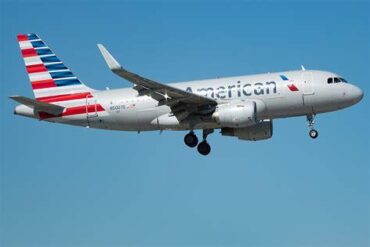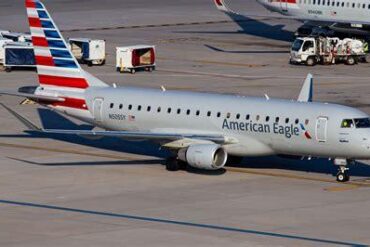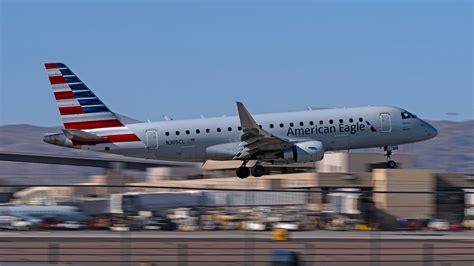
Starting October 6, 2025, American Airlines will significantly expand its regional footprint with the introduction of twice-daily Embraer E175 flights between Chicago O’Hare International Airport (ORD) and Chattanooga Metropolitan Airport (CHA). The new service, operated under the American Eagle brand by Republic Airways, directly challenges the longstanding dominance of United Airlines on this key Midwestern route.
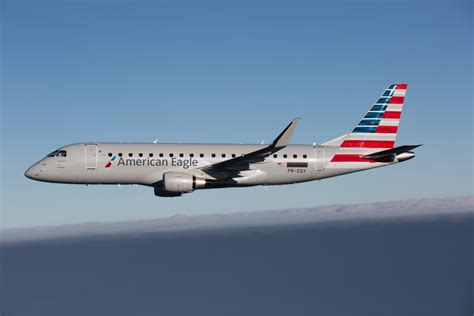
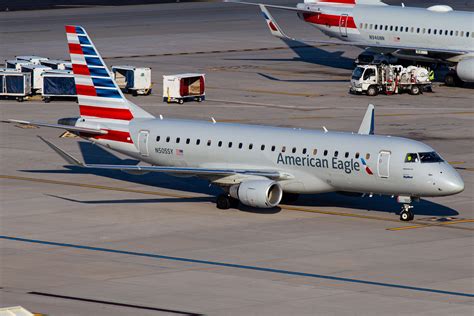
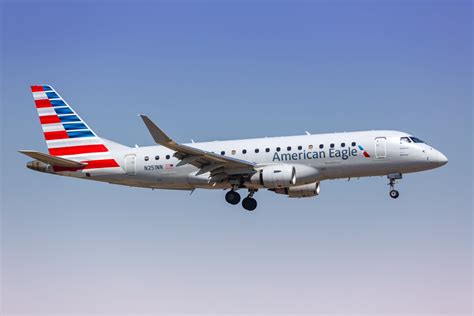
The launch signals a strategic push by American Airlines to diversify regional connectivity from one of its major hubs—Chicago O’Hare—into secondary markets where demand is growing, yet competition has historically been limited. The Embraer E175 aircraft, a popular 76-seat regional jet, offers a competitive edge in comfort and efficiency, ideally suited for the relatively short sector linking Illinois and Tennessee.
Strategic Expansion Through Chattanooga
Chattanooga, often dubbed the “Gig City” for its pioneering fiber-optic internet infrastructure, has seen a rise in both business and leisure travel demand. Positioned in southeastern Tennessee, it holds strategic importance for regional connectivity. For American Airlines, adding twice-daily service allows it to tap into underserved demand while placing competitive pressure on United Airlines, whose regional affiliate United Express has been the sole major operator on the route.
With this new service, American Eagle’s flights will depart ORD at 1:54 PM and 7:05 PM, arriving in Chattanooga at 4:30 PM and 9:41 PM, respectively. The return legs from CHA to ORD are scheduled for 7:25 AM and 5:00 PM, offering flexibility for both business and leisure travelers with options for early morning returns or evening departures.
Flight Timings and Operational Overview
Each leg of the journey averages between 1 hour 36 minutes and 2 hours, depending on direction and wind conditions. Detailed flight schedule for October 2025 includes:
- AA4661 (ORD–CHA): Departs 1:54 PM, arrives 4:30 PM – 26 flights scheduled
- AA4511 (ORD–CHA): Departs 7:05 PM, arrives 9:41 PM – 26 flights scheduled
- AA4512 (CHA–ORD): Departs 7:25 AM, arrives 8:25 AM – 25 flights scheduled
- AA4661 (CHA–ORD): Departs 5:00 PM, arrives 6:00 PM – 26 flights scheduled
This adds up to 103 flights for October, delivering a total of 7,828 available seats on the route. From November 2025, the frequency will increase to 120 flights monthly, further solidifying American’s intent to become a prominent player on this corridor.
A Direct Competitive Move Against United Airlines
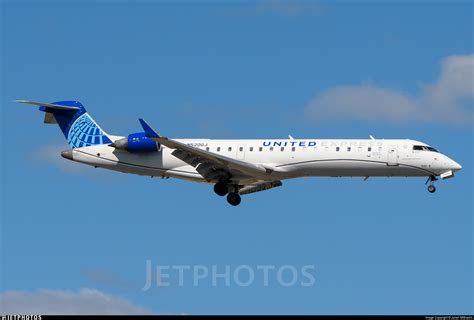
United Airlines, through its regional operators GoJet Airlines and SkyWest Airlines, has long controlled the route with a combination of Bombardier CRJ-550 and Embraer E175 aircraft. As per data from aviation analytics firm Cirium, United is scheduled to operate 278 flights in October 2025, providing 15,200 seats—nearly double American’s offering.
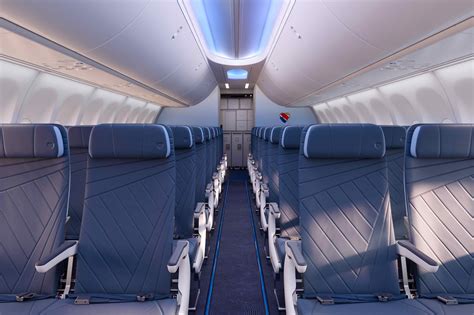
However, there’s a major shift coming. United will replace the CRJ-550 fleet with Embraer E175s starting November, potentially narrowing the passenger comfort gap. The E175 is generally more popular among travelers, boasting a two-by-two seating configuration, larger overhead bins, and better cabin pressurization compared to older 50-seat regional jets.
Operational Control and Airline Partnerships
While American Airlines markets the service, operational duties are handled by Republic Airways, a seasoned American Eagle affiliate. Republic’s Embraer E175 fleet is one of the largest in North America, and it plays a vital role in bridging hub-to-regional gaps across American’s vast network.
American’s commitment to smaller markets like Chattanooga reflects a broader trend where legacy carriers utilize regional partners to maintain connectivity without the overhead of mainline operations. This strategy is especially critical at airports like CHA, which typically lack the volume to justify mainline aircraft but still demand frequent service.
Implications for Business and Regional Travelers
The new American Eagle flights offer a meaningful alternative for frequent flyers on the route, particularly business travelers who value schedule flexibility and loyalty program benefits. By anchoring the route into its AAdvantage loyalty program, American is also poised to pull share away from United’s MileagePlus ecosystem.
Furthermore, American’s presence could have a downward effect on ticket prices as competition increases—a well-documented phenomenon in markets that shift from monopoly to duopoly.
Chattanooga’s economy, driven by a mix of tech startups, automotive manufacturing, and outdoor tourism, stands to benefit. Easy connectivity to Chicago expands business prospects and enhances the city’s visibility within American’s vast national and international network.
Route Expansion Reflects Larger Growth Strategy
This route announcement is part of a larger trend of expansion by American Airlines in underserved or strategically important regional markets. In addition to the Chattanooga service, American will resume daily flights between Miami (MIA) and Sarasota Bradenton (SRQ) beginning November 2025. While this 178-mile route is one of the shortest in the network, it underscores American’s broader aim to connect smaller city pairs with legacy hubs, using the Embraer E175 as the vehicle for growth.
These additions demonstrate a deliberate and data-driven approach to route development, where frequency, fleet compatibility, and competitive positioning are carefully weighed against passenger demand and profitability metrics.
Conclusion: Competitive Skies Over the Midwest
With this move, American Airlines is reigniting competition over one of the Midwest’s critical regional corridors. While United Airlines still maintains numerical dominance in flights and seats between Chicago and Chattanooga, American’s arrival signals that the route is far from locked down.
Leveraging the reliability and passenger appeal of the Embraer E175, American Eagle is poised to carve out market share—particularly if it delivers superior punctuality, pricing, and loyalty benefits. The skies between ORD and CHA are about to get more crowded, but for travelers, this competition can only mean more choice, better schedules, and improved service quality.