The global aviation industry is entering a new phase of long-haul expansion in 2026, with a new generation of airlines reshaping international travel patterns. For decades, the world’s longest routes were dominated by established flag carriers from Europe, North America, Asia, and the Middle East. However, changing economic priorities, new aircraft technology, and ambitious national aviation strategies are creating opportunities for new players to challenge traditional network structures.
From Saudi Arabia’s Riyadh Air building a global hub strategy to Brazil’s GOL entering the widebody long-haul market, airlines that previously focused on regional operations are now seeking a place on the world stage. At the same time, established carriers such as Qatar Airways and Turkish Airlines are strengthening their networks with new destinations and next-generation aircraft designed for ultra-long-range missions.
The result is a rapidly evolving global route map where new connections are emerging between cities that previously depended on connecting flights. In 2026, long-haul aviation is no longer controlled only by legacy giants. Instead, a combination of ambitious newcomers, expanding airlines, and advanced aircraft is creating a more competitive and interconnected international aviation landscape.
Riyadh Air Begins Building Saudi Arabia’s Global Long-Haul Aviation Ambition
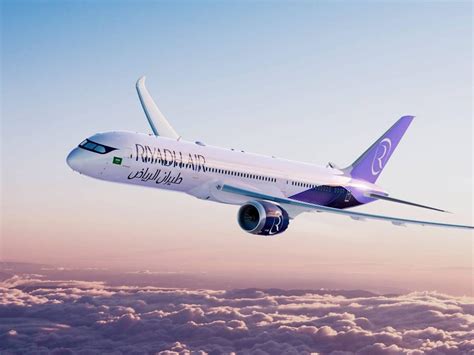
Among the most significant new entrants into the international aviation market is Riyadh Air, Saudi Arabia’s second national airline and one of the most ambitious aviation projects of the decade. Created as part of the country’s Vision 2030 strategy, the airline aims to transform Riyadh into a major global aviation hub capable of competing with established Middle Eastern centers such as Dubai and Doha.
After years of preparation, Riyadh Air officially entered scheduled commercial operations in June 2026 with flights between Riyadh and London Heathrow using the Boeing 787-9 Dreamliner. Before public operations began, the airline had already conducted flights under its “Pathway to Perfect” program, allowing employees, partners, and invited guests to experience its service before the official launch.
The London route represents more than a simple market entry. It signals Riyadh Air’s intention to compete in one of the world’s most valuable long-haul markets. London is a critical global business destination, and establishing a presence at Heathrow gives the airline immediate international visibility.
Following the launch, Riyadh Air rapidly expanded beyond Europe. The carrier introduced services to Cairo, Dubai, Madrid, and Manchester, creating new direct links from the Saudi capital. Several of these routes strengthen connections between Riyadh and major economic centers while also improving access for tourism and business travel.
The airline’s expansion strategy focuses on creating a broad network connecting Europe, Asia, and eventually North America. Unlike traditional airlines that often build networks gradually over decades, Riyadh Air is attempting a faster transformation by combining strong financial backing, modern aircraft, and a clear national development strategy.
Riyadh Air’s Future Network Expansion and Widebody Fleet Growth
The airline’s initial destinations represent only the beginning of its long-term plan. During 2026, Riyadh Air is expected to continue adding international routes, including services to Kuala Lumpur, Dhaka, Mumbai, and Bangkok.
These destinations highlight the airline’s focus on markets with strong business, tourism, and population growth. South Asia and Southeast Asia are particularly important because they represent some of the world’s fastest-growing aviation regions.
Beyond Asia, Riyadh Air has also secured approval to operate flights to the United States, opening the door for future services connecting Saudi Arabia with major American cities. Although the airline’s initial network remains relatively small compared with established global carriers, its long-term ambition is much larger.
Riyadh Air plans to connect Riyadh with around 100 destinations by 2030, creating a global network supported by a growing fleet of widebody aircraft.
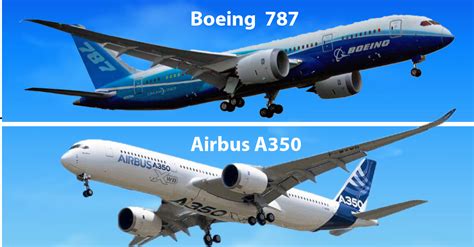
To support this expansion, the airline has strengthened its aircraft commitments. Its fleet currently includes Boeing 787-9 Dreamliners, but future growth will include additional Dreamliners and Airbus A350-1000 aircraft. These aircraft types are ideal for long-haul operations because they combine long range, fuel efficiency, and passenger comfort.
The decision to acquire both Boeing 787 and Airbus A350 aircraft also gives Riyadh Air flexibility. The 787 can serve medium-to-long international routes efficiently, while the larger A350-1000 provides additional capacity for high-demand routes.
GOL Enters the Long-Haul Market With Ambitious International Plans
While Riyadh Air represents a completely new airline entering global aviation, Brazil’s GOL Linhas Aéreas represents another important trend: regional carriers expanding into long-haul operations.
Since its creation in 2001, GOL has primarily focused on domestic Brazilian routes and regional international services throughout Latin America. Its fleet strategy historically centered on Boeing 737 aircraft, allowing the airline to compete efficiently in short and medium-distance markets.
However, the introduction of long-haul aircraft marks a major strategic change.
In July 2026, GOL launched flights between Rio de Janeiro Galeão International Airport and New York John F. Kennedy International Airport, becoming a new player in the transcontinental market. The route initially operates using a leased Airbus A330-200 from ACMI provider Wamos Air before GOL receives its own long-range aircraft.
The airline’s future long-haul strategy depends heavily on the arrival of the Airbus A330-900neo. GOL plans to introduce five aircraft of this type, allowing it to expand beyond South America and compete on routes connecting Brazil with North America and Europe.
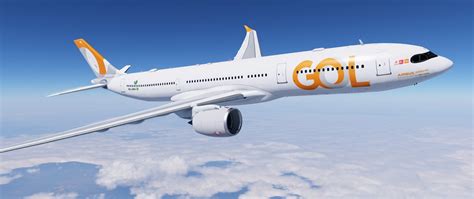
Following the New York launch, GOL plans to begin flights between Rio de Janeiro and Lisbon. Additional destinations reportedly under consideration include Orlando and Paris, which would further expand Brazil’s direct international connectivity.
For GOL, entering long-haul aviation represents a significant transformation. Widebody aircraft allow the airline to access higher-value international markets and reduce dependence on short-haul competition.
Established Airlines Continue Expanding Global Long-Haul Networks
Although new entrants are attracting significant attention, established international airlines are also reshaping global connectivity. Qatar Airways continues to strengthen its position as one of the world’s leading long-haul carriers by adding new routes and returning to previously served markets.
The airline resumed flights between Doha and Philadelphia after American Airlines ended its service on the route. The move demonstrates how Gulf carriers continue to fill gaps created when other airlines reduce international operations.
Qatar Airways also returned to Helsinki and expanded its presence at Tokyo Haneda Airport. The airline’s ability to restore routes and increase frequencies demonstrates the strength of its global hub model.
The carrier is also expanding into South America, with planned services to Bogotá and Caracas. These additions support Qatar Airways’ strategy of maintaining one of the world’s most extensive international networks.
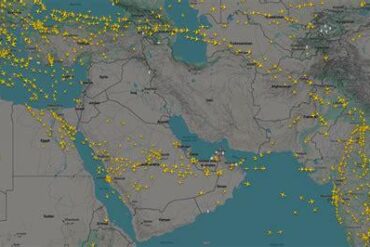
The Gulf region continues to benefit from geographic advantages. Cities such as Doha, Dubai, and Riyadh are positioned between Europe, Asia, and Africa, allowing airlines based there to connect multiple continents efficiently.
Turkish Airlines Prepares for the Next Era of Ultra-Long-Haul Flying
Another major force in future long-haul expansion is Turkish Airlines, which is preparing for a new generation of ultra-long-distance operations.
The airline has one of the world’s largest international networks and continues to expand aggressively. By its centenary in 2033, Turkish Airlines aims to operate more than 800 aircraft, significantly increasing its global reach.
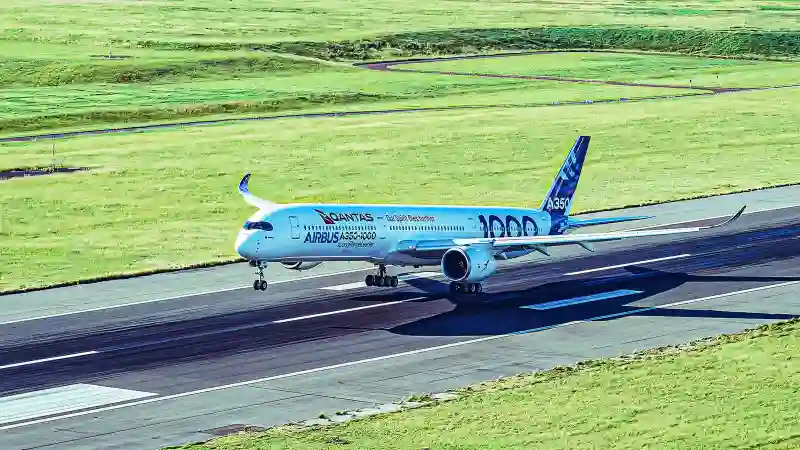
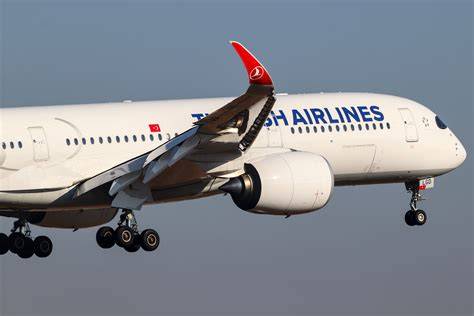
A key element of this strategy is the arrival of additional Airbus A350-1000 aircraft. With a range capability approaching 9,000 nautical miles, the aircraft can operate some of the longest commercial routes in the world without intermediate stops.
Currently, Turkish Airlines serves destinations such as Sydney and Melbourne through connecting points including Kuala Lumpur and Singapore. However, future ultra-long-range aircraft could allow the airline to operate nonstop flights between Istanbul and Australia.
The A350-1000 could also open new opportunities in South America. Cities such as Buenos Aires, Santiago, and Lima are potential candidates for future nonstop services from Istanbul.
This development reflects a wider industry trend. Airlines are increasingly using advanced aircraft to create direct connections between cities that previously required one or more stops.
How New Aircraft Technology Is Changing Global Route Maps
The growth of long-haul networks in 2026 is closely connected to improvements in aircraft technology. Modern widebody aircraft such as the Boeing 787 Dreamliner, Airbus A350 family, and A330neo have changed the economics of international aviation.
Older generations of aircraft often required extremely high passenger demand before airlines could justify opening long-distance routes. Newer aircraft are more fuel-efficient and have lower operating costs, allowing airlines to experiment with smaller markets.
This has created opportunities for airlines to launch routes between secondary cities rather than relying only on traditional mega-hubs.
For passengers, this means fewer connections and more direct travel options. A business traveler from Riyadh, for example, may soon have more nonstop options to Europe, Asia, and North America. Travelers from Brazil may gain more direct links to international destinations without transferring through traditional hubs.
A New Competitive Era for Global Aviation Networks
The long-haul aviation market of 2026 looks very different from previous decades. The industry is moving beyond a model dominated only by traditional global airlines. Instead, new carriers and expanding regional airlines are becoming important players.
Riyadh Air represents a national ambition to create a new global aviation hub. GOL demonstrates how regional airlines can evolve into international competitors. Qatar Airways and Turkish Airlines show how established carriers continue adapting through network expansion and advanced aircraft investment.
Together, these developments are creating a more dynamic global route map. Airlines are competing not only through frequency and fleet size but also through their ability to connect emerging economic regions with the rest of the world.
The next decade of aviation will likely be defined by airlines willing to take risks, invest in modern aircraft, and discover new opportunities in international markets. In 2026, the long-haul race is no longer limited to yesterday’s aviation giants. A new generation of players is taking off.