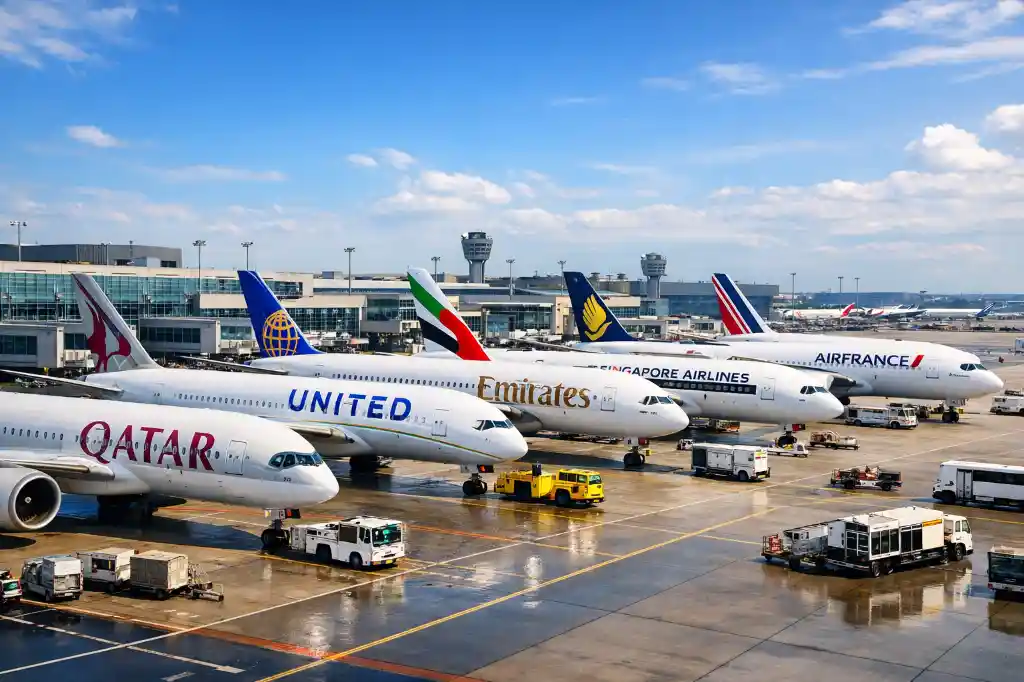
Long-haul aviation is where airline strategy, fleet planning, and global ambition collide. Flights stretching beyond six hours—or roughly 3,000 miles—demand resilient aircraft, deep operational expertise, and carefully balanced economics. In 2026, new scheduling data reveals a reshaped hierarchy of airlines that dominate this demanding segment, measured not by reputation or fleet size alone, but by the sheer volume of long-haul round trips actually flown.
This ranking reflects how different carriers approach long-distance travel. Some build vast domestic empires with a thin layer of intercontinental routes. Others base their entire business model on stitching continents together. The result is a list that mixes American network giants with Middle Eastern connectors and European legacy carriers, each excelling for very different reasons.
United Airlines sits at the top not because long-haul defines its identity, but because of scale. With 50,003 long-haul round trips scheduled between January and June 2026, United edges out every competitor globally. What makes this remarkable is proportion: long-haul flying represents just 6% of United’s total operations. The airline’s dominance comes from an enormous domestic backbone feeding transoceanic routes from hubs like Newark, Chicago, San Francisco, and Houston, supported by one of the world’s largest fleets of widebody aircraft.

Emirates follows closely with 48,709 long-haul departures, yet its story could not be more different. For the Dubai-based carrier, long-haul flying is the business, accounting for 45% of all operations. Emirates leverages Dubai’s geographic sweet spot to connect Europe, Asia, Africa, and the Americas almost exclusively through long-range services, flown primarily by Airbus A380s and Boeing 777s. Frequency, not domestic volume, is its weapon of choice.
Qatar Airways secures third place with 38,450 long-haul round trips, reinforcing Doha’s role as one of the world’s most efficient global hubs. Roughly 33% of Qatar’s entire schedule falls into the long-haul category, reflecting a network designed around smooth intercontinental connections rather than short-haul density. The airline’s heavy investment in Airbus A350s and Boeing 787s has enabled high-frequency, ultra-long-haul routes with consistent performance.
Delta Air Lines ranks fourth, operating 36,840 long-haul round trips, though these account for just 3% of its total flying. Delta’s long-haul strength lies in measured expansion, focusing on profitable transatlantic and transpacific corridors from Atlanta, Detroit, and Seattle. The airline’s partnership strategy, particularly with European joint venture partners, amplifies its global reach without requiring Emirates-style dependence on long-distance routes.
British Airways rounds out the top five with 33,649 long-haul round trips, representing 18% of its operations. London Heathrow remains one of the most slot-constrained airports in the world, which has pushed British Airways toward maximizing aircraft size and route profitability. Long-haul flying is central to BA’s identity, especially on North American, Asian, and Southern Hemisphere routes that sustain premium demand.
Top 10 Airlines With The Most Long-Haul Flights In 2026
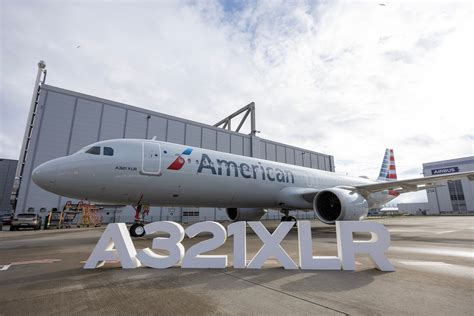
American Airlines places sixth with 29,863 long-haul round trips, the lowest proportional reliance on long-haul flying at just 2%. American’s network remains heavily domestic, but change is underway. The arrival of the Airbus A321XLR is expected to unlock thinner transatlantic and South American routes, allowing American to grow long-haul capacity without the economics of widebody aircraft.
Air France claims seventh place with 27,069 long-haul round trips, where 17% of its operations stretch into intercontinental territory. Paris Charles de Gaulle functions as a powerful connecting hub, and Air France’s long-haul network benefits from strong demand across Africa, North America, and Asia, supported by a modernizing fleet of A350s and 787s.
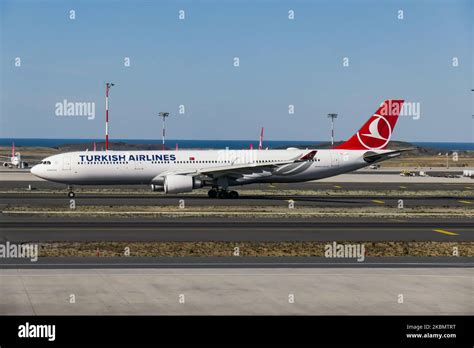
Turkish Airlines appears eighth with 26,686 long-haul round trips, a ranking that understates its global reach. While long-haul flights make up 10% of its schedule, Turkish Airlines holds the record for serving the most countries worldwide. Its strategy favors destination breadth over frequency, turning Istanbul into a global crossroads with unmatched geographic diversity.
Lufthansa follows in ninth place with 21,958 long-haul round trips, also accounting for 10% of total operations. Lufthansa stands out for fleet diversity, operating Airbus A350s and Boeing 787s alongside legacy widebody types including the A380 and 747. This varied fleet allows flexibility across different long-haul markets, from premium-heavy North America routes to high-density Asian services.
Etihad Airways completes the top ten with 21,793 long-haul round trips, where long-haul represents a substantial 31% of operations. Abu Dhabi’s national carrier has shifted toward disciplined growth, focusing on profitable long-haul connections rather than rapid expansion. The result is a leaner, more sustainable network centered on widebody efficiency.
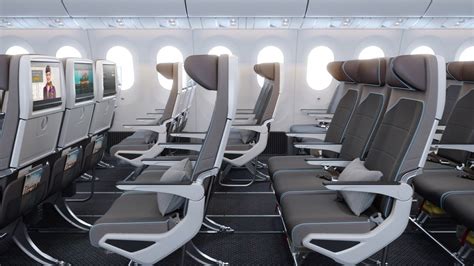
Why Long-Haul Flying Is Expanding Faster Than Ever
Long-haul flying in 2026 is not just recovering; it is accelerating. Rising global passenger demand, combined with advances in aircraft efficiency, has pushed airlines to open routes that were once considered uneconomical. Boeing forecasts demand for more than 7,800 new widebody aircraft over the next two decades, while ultra-long-haul routes exceeding 16 hours continue to grow in number.
Equally transformative is the rise of long-range narrowbody aircraft. Jets like the A321XLR are redefining long-haul economics, enabling airlines to connect secondary cities across oceans with lower risk and higher flexibility. Together, these trends explain why long-haul networks are expanding in both scale and variety, reshaping global air travel well beyond 2026.