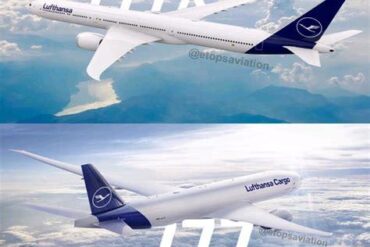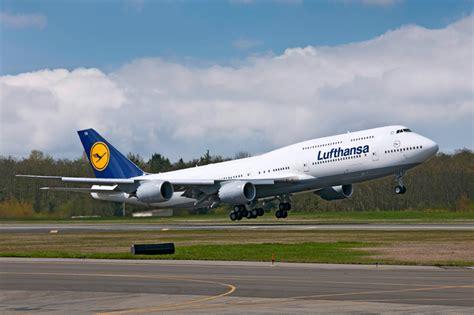
The Boeing 747-8 Intercontinental stands as the swiftest Boeing jet still flying, a long-legged monarch capable of devouring oceans in a single leap. Mach 0.85 to Mach 0.86 may not sound like a thunderclap against the sound barrier, yet in the relentlessly optimized world of commercial aviation, this speed makes the 747-8I the undisputed ruler of Boeing’s jetliner kingdom. It offers a rare combination of immense size, unexpected agility in the upper atmosphere, and a high-cruise philosophy crafted for airlines seeking to shave precious minutes off long-haul journeys. Even now, years after production ceased, the aircraft remains a masterpiece of aerodynamic refinement and engineering ambition.
The jet’s performance is not merely a function of brute force. It is the culmination of decades of gradual evolution within the 747 family. The 747-400 set the tone. The 747-8I perfected it. Boeing widened the fuselage, stretched the upper deck, modernized the flight deck, reshaped the wings, and introduced next-generation engines derived from the Dreamliner’s GEnx lineage. Each component sharpened its purpose; together, they granted the 747-8I an uncommon ability to maintain high cruise speeds without torching fuel at unsustainable rates. The result is a wide-body juggernaut capable of flying faster and farther than its predecessors while still honoring the familiar silhouette of the world’s most iconic four-engine aircraft.
To many travelers, the aircraft feels like stepping into an era when air travel had both grandeur and momentum. It launches with the thrust of a titan, rises with the confidence of a battleship, and settles into a cruise profile that reflects decades of aerodynamic wisdom.
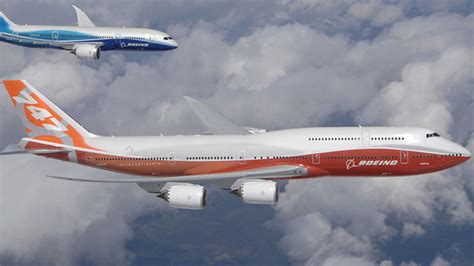
Engineering the Speed: How the 747-8I Achieved Its Velocity Crown
The 747-8I did not inherit its title by accident. Boeing’s engineers approached the program with the intention of pushing the Jumbo’s performance further while retaining everything that made the earlier 747s beloved. The redesign began at the wings. Gone were the familiar winglets of the 747-400; in their place rose deeper, broader wings shaped by modern airflow modeling. Their sweeping raked tips reduce drag at high altitudes, allowing the aircraft to maintain the upper end of its cruise envelope longer and more efficiently.
The GEnx-2B engines became the defining upgrade. These powerplants deliver roughly 66,500 pounds of thrust per engine—providing a total force that allows the 747-8I to lift vast payloads without sacrificing pace. Built with noise-dampening nacelles featuring scalloped edges and advanced acoustic liners, they also gave the “dash eight” a quieter, more environmentally conscious profile. Dual chevrons scatter turbulent wake, reducing noise during takeoff, while smarter thrust management produces smooth operational behavior at cruise.
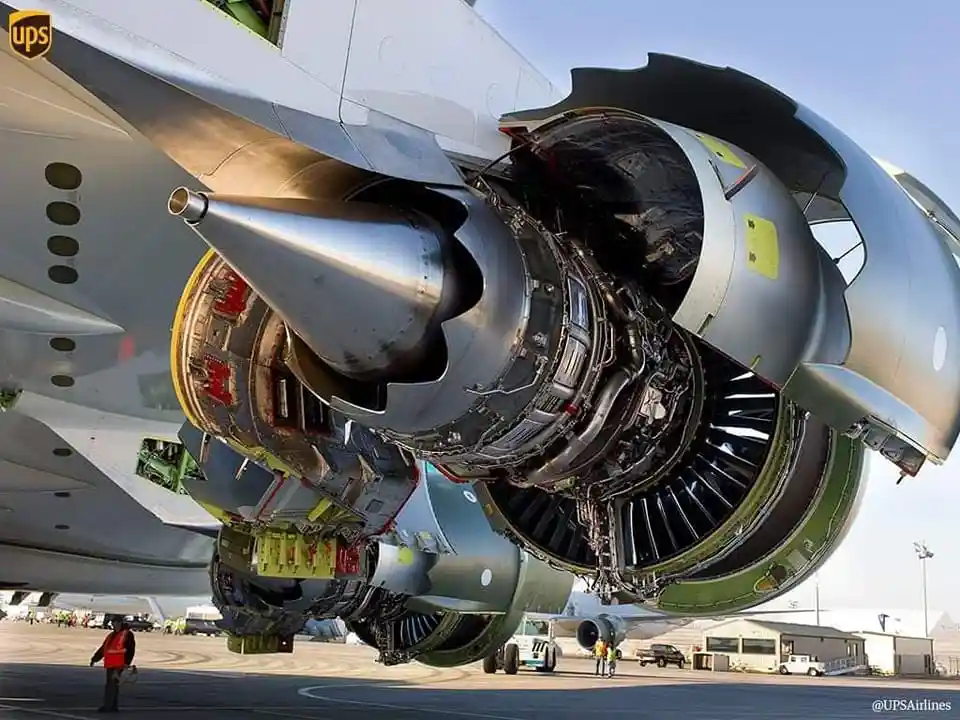
Modern lightweight composites and structural refinements contribute to the aircraft’s aerodynamic grace. The airframe’s enlarged capacity never bloats into inefficiency; rather, it becomes a platform that rides thinner air with poise, capitalizing on high-cruise aerodynamics meant for long-range missions.
The Dash Eight in Real-World Service
The 747-8I was built for movement across continents. With a range of up to 8,000 nautical miles, it links cities like Frankfurt, Los Angeles, Singapore, Seoul, and Vancouver in great, uninterrupted arcs. Airlines quickly discovered that its speed shaved meaningful minutes from flights that already exceeded ten hours. For carriers like Lufthansa and Korean Air, this slight advantage compounded into smoother schedules, improved fleet connectivity, and reduced operational slack.
Inside, the aircraft’s extended upper deck, broad cabin width, and optimized airflow systems give passengers a sense of comfort rare in today’s increasingly dense long-haul arrangements. Configurations vary, but a typical three-class layout fits roughly 410 passengers, though some airlines stretched capacity well beyond that number.
Its operational efficiency surprised even early skeptics. Despite its quartet of engines, the 747-8I manages 15% lower fuel burn per seat compared to the 747-400, thanks largely to the new engines and aerodynamic refinement. And because airports were already designed around existing 747 dimensions, the aircraft required almost no additional infrastructure, making it an easy addition to established fleets.
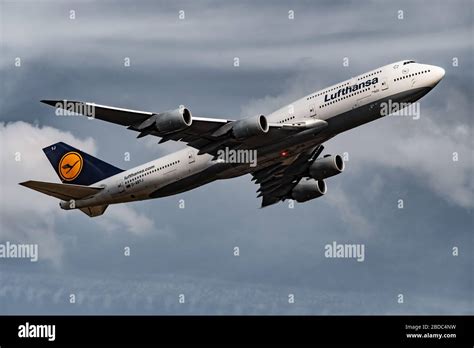
A Cultural and Emotional Icon That Refuses to Fade
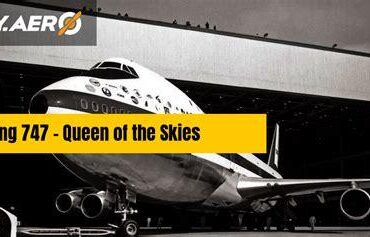
The Boeing 747 line occupies a place in aviation mythology unmatched by any other commercial aircraft. Pilots speak of it the way sailors describe their first great ship. Travelers associate it with the golden age of long-haul exploration. Even in the shadow of the Airbus A380, which surpassed the Jumbo in size but never in spirit, the 747 retains its throne as the Queen of the Skies.
Veteran pilots such as Nick Eades, famed for being one of the world’s most experienced 747 captains, often describe the aircraft with a mix of reverence and affection. It is a machine large enough to feel like an ocean liner, yet balanced finely enough to dance through turbulent air with unexpected grace. Those who fly it insist it behaves less like a fully automated aircraft and more like a partner—responsive, predictable, and dignified.
Cargo carriers share this sentiment. Even after the production line concluded in 2023, the demand for 747-8F freighters has not disappeared. Atlas Air, one of the largest operators, continues to expand its fleet, securing additional 747-8F aircraft as late as 2024. Cargo operators appreciate a combination of massive volume, long range, and the same high-cruise speed that defines the passenger variant.
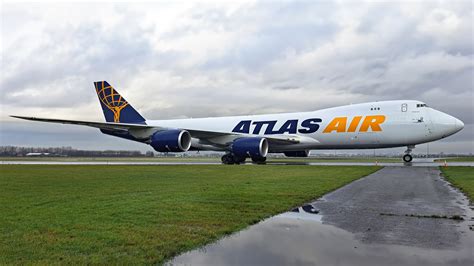
The Last of the Great Jumbos: 747-8I Performance and Statistics
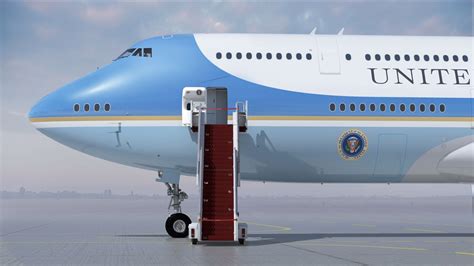
The Boeing 747-8I stands as the pinnacle—and epilogue—of the quad-engine era. Its final delivery in 2023 marked the end of more than half a century of 747 production. Yet the aircraft continues to carve out a future in both commercial and governmental roles. The United States Air Force chose the 747-8I as the base platform for the next-generation VC-25B, the future Air Force One. The decision underscores not only the jet’s speed but also its sheer stability, range, and interior volume—qualities essential for a national command aircraft.
Its enhancement program has encountered delays, high costs, and political storms, but the aircraft itself represents the highest form of Boeing’s wide-body engineering. When it enters service, it will stand as the fastest presidential aircraft in history, with a confirmed cruise speed of Mach 0.855, a number that exceeds any commercial jet presently operating.
The 747-8I’s operational specifications reveal why it stands alone:
- Typical Three-Class Capacity: 410 passengers
- Range: 7,730 nautical miles (14,310 km)
- Length: 250 ft 2 in (76.3 m)
- Wingspan: 224 ft 5 in (68.4 m)
- Cruise Speed: Mach 0.86 (approx. 570 mph)
- Top Speed: 706 mph (917 km/h)
- Maximum Takeoff Weight: 987,000 lb
- Engines: GE GEnx-2B, 66,500 lb thrust each
These numbers show more than engineering prowess; they illustrate why the aircraft remains coveted long after its assembly tooling went silent.
The Enduring Legacy of the Fastest Boeing Jet
The Boeing 747-8I is more than the fastest Boeing jet still in service; it is the final chapter of a revolution that began in the 1960s, when long-haul travel first became available to the masses. The “dash eight” inherited this legacy with grace and brought it into the modern era through its advanced engines, redesigned wings, and exceptional cruise performance. It sped travelers across continents, ferried world leaders, hauled critical shipments, and symbolized a future where distance felt negotiable.
Even as twin-engine aircraft now dominate the skies, the 747-8I continues to remind the aviation world that raw power, elegance, and speed can coexist in a single airframe. When one of these giants lifts off, the echoes of aviation’s boldest era rise with it. The production line may be quiet, but the legend still roars across the stratosphere.
It serves as a soaring testament to what happens when engineering ambition meets imagination—a final, fast, unforgettable salute from the Queen of the Skies.