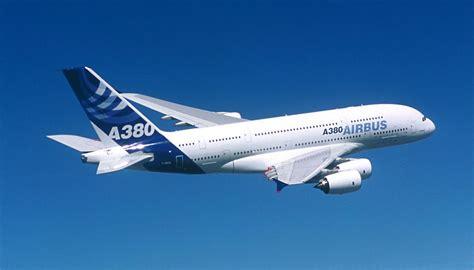
The Airbus A380, renowned for its sheer size and engineering complexity, also holds the title of the fastest Airbus widebody aircraft in service. Topping out at 582 mph (Mach 0.89), this behemoth defies expectations not just through its staggering passenger capacity of up to 853 travelers, but also with its aerodynamic efficiency and thrust power that place it in a speed league of its own.
The story of the A380 begins in Toulouse, France, where its maiden flight on April 27, 2005, signaled a dramatic shift in global aviation. The test aircraft, MSN001, rose into the sky at precisely 10:30 AM, not just as the largest commercial aircraft ever built, but as a triumph of European aerospace ingenuity. This inaugural leap was more than symbolic—it was the beginning of an era that would redefine what a widebody aircraft could accomplish.
The Power Behind the Speed: Four Engines, One Giant Leap
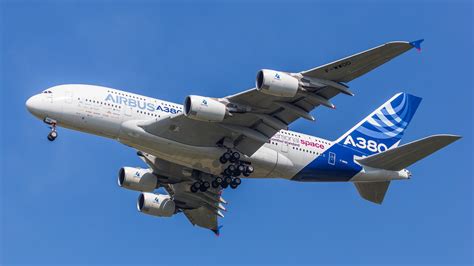
At the core of the A380’s high-speed performance are its four colossal turbofan engines, each capable of producing around 80,000 pounds of thrust. Depending on the configuration, these are either Rolls-Royce Trent 900s or Engine Alliance GP7200s. These engines are masterworks of propulsion engineering, incorporating cutting-edge materials such as ceramic matrix composites (CMC) and titanium fan blades that withstand incredible heat and stress.
Despite its maximum takeoff weight of 1.27 million pounds, the A380’s powerplants maintain an optimized bypass ratio for both thrust and fuel efficiency. These engines were not retrofitted; they were designed from the ground up to handle the unique demands of this superjumbo. Noise-dampening technologies like chevron nozzles and acoustic linings ensure compliance with stringent international standards, all without compromising performance.
Aerodynamics that Slice Through the Sky
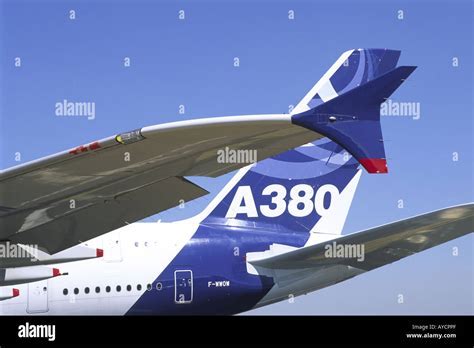
The A380’s wingspan measures an astonishing 261.5 feet, but it’s the aerodynamic refinement of the wing design that enables its smooth acceleration and high cruising speed. Featuring advanced airfoil shaping and 2.5-meter winglets, the wings are optimized to reduce drag by up to 4%, which is no small feat for an aircraft of this scale.
High-lift devices such as leading-edge slats and multi-section flaps enhance lift at low speeds while ensuring stability and performance during high-speed cruise. The sophisticated aerodynamics continue with the fuselage, which has been meticulously shaped to manage airflow separation and reduce drag, including a finely tuned nose cone and a tail section designed via computational fluid dynamics (CFD).
Materials that Change the Game
A massive aircraft usually implies a massive weight burden—but the A380 breaks that expectation. Nearly 25% of its structure is made from composite materials, including carbon fiber-reinforced polymers and GLARE (Glass Laminate Aluminum Reinforced Epoxy). These high-tech materials are both lighter and more resilient than traditional aluminum.
GLARE, in particular, is used in areas of high pressurization stress like the cabin ceilings. It offers better fatigue resistance and damage tolerance, all while reducing overall structural mass. The resulting power-to-weight ratio is far more favorable than previous generations of widebody aircraft, giving the A380 a surprising agility for its size.
Engineers have also masterfully distributed weight throughout the fuselage, placing fuel tanks, cargo holds, and landing gear to optimize the center of gravity. In-flight fuel transfer systems adjust balance dynamically, minimizing trim drag and enhancing high-speed cruise capability.
Command at the Edge of the Speed Envelope
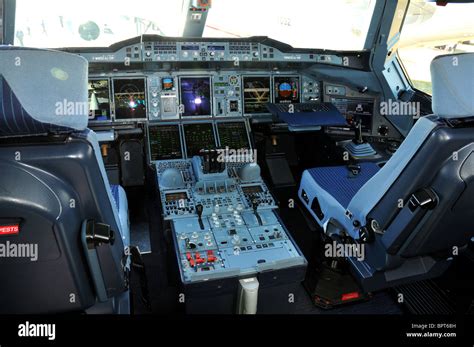
The A380 is controlled by an advanced fly-by-wire system, which processes thousands of data points per second to maintain precise control at speeds nearing the sound barrier. This system allows for real-time surface adjustment of ailerons, rudders, elevators, and spoilers, maximizing stability and minimizing stress on the airframe.
Thanks to flight envelope protection, pilots are shielded from exceeding safe operational parameters. Features like automated pitch trim, speed protection, and bank angle control ensure that even in turbulent weather, the aircraft can maintain optimal flight conditions. It’s a digital copilot that enhances both safety and performance.
Fast Flight, Long Haul: Operational Speed Realities
The A380’s cruise speed ranges between Mach 0.80 and 0.85, depending on conditions like wind patterns, payload, and routing. On ultra-long-haul routes, where fuel optimization and punctuality are crucial, this speed translates into real-world benefits. Cutting even 20-30 minutes off a transcontinental flight adds operational flexibility, tighter scheduling, and improved passenger experience.
Operating at up to 43,100 feet, the A380 leverages thinner air to further reduce drag and fuel burn. Its speed resilience under headwinds and temperature changes is well-documented, making it one of the most dependable high-speed performers in the commercial fleet.
Engineering Icons: The People and Brands Behind the Jet
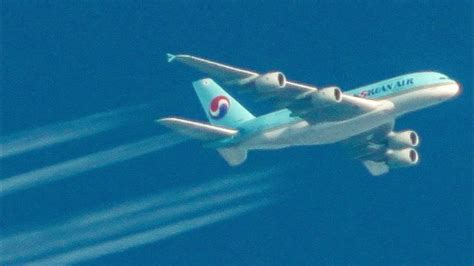
Developing the A380 wasn’t merely about assembling parts; it was a global collaboration involving some of the most advanced minds and technologies in aerospace. Companies like Rolls-Royce, GE, and Airbus Engineering Group poured decades of R&D into this aircraft. The Engine Alliance, a joint venture between GE and Pratt & Whitney, spent over ten years developing the GP7200 engine before it ever powered a commercial flight.
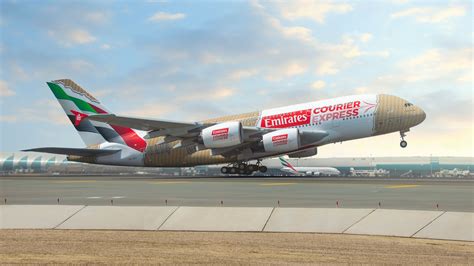
Even Emirates, the largest A380 operator, played a vital role in pushing performance boundaries. Their operational feedback and strategic interest helped shape A380 enhancements like the proposed “A380plus,” which featured new winglets, aerodynamic tweaks, and interior capacity upgrades to reduce cost per seat by 13%.
The Final Delivery and Continuing Legacy
Airbus officially ended production of the A380 in December 2021, marking the delivery of the final unit to Emirates. Although production has stopped, the aircraft’s operational legacy and technological contributions are far from over. Lessons learned from the A380 continue to influence new projects like the A350 XWB and potential future widebody concepts.
Talks around an A380neo—a next-gen upgrade with better fuel economy—surfaced in recent years. While Airbus has not committed to reviving the program, interest remains high among operators who value capacity and speed, especially as global passenger volumes continue to grow.
Conclusion: More Than Just the Fastest
The Airbus A380 isn’t just the fastest widebody jet from Airbus—it’s the physical embodiment of what aviation at scale can achieve. From its Mach 0.89 max speed to its massive twin decks and innovative engine technologies, every aspect of the A380 reflects a pursuit of precision, power, and performance.
As it continues flying across oceans and continents, the A380 stands as a moving monument of aeronautical engineering—a reminder that speed isn’t just about going fast, but about doing so efficiently, safely, and magnificently at 43,000 feet.