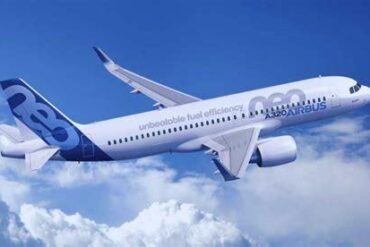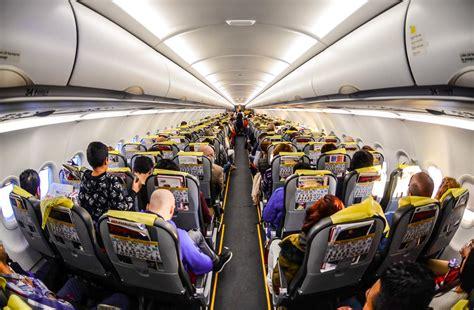
The Airbus A320neo family has not only revolutionized narrowbody aircraft performance with next-generation fuel efficiency—it also holds a commanding edge in speed. As of 2025, the A320neo is the fastest Airbus narrowbody jet in service, boasting a maximum cruising speed of Mach 0.82. This makes it a high-performance workhorse that blends efficiency, versatility, and velocity, outperforming other aircraft in its class.
The Birth of a High-Speed Narrowbody Titan
Originally introduced as a response to evolving airline demands for more efficient aircraft, the Airbus A320neo (New Engine Option) program was unveiled in December 2010. With its first flight in 2014 and commercial launch in 2016 with Lufthansa, the A320neo family rapidly became one of the most successful product lines in civil aviation.
What distinguishes the A320neo isn’t only its upgraded propulsion but also its smart design enhancements. It maintains over 95% airframe commonality with the original A320ceo (Current Engine Option), which has significantly reduced pilot training and maintenance costs for operators transitioning to the newer version.
Engineering Upgrades That Drive Speed
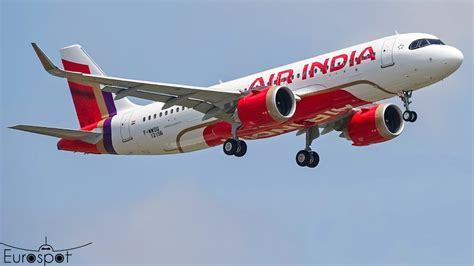
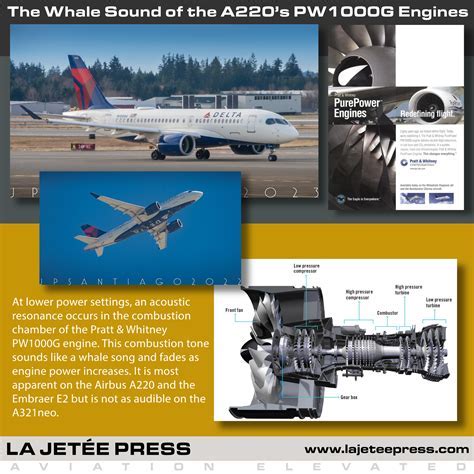
The A320neo features either CFM International LEAP-1A or Pratt & Whitney PW1100G engines, both of which are pivotal in achieving high-speed performance. These advanced turbofans deliver higher thrust-to-weight ratios, reduced fuel burn, and a quieter operation footprint. At the core of its aerodynamic leap is a redesigned wing with fuel-saving sharklets, boosting lift and improving overall aerodynamic efficiency.
The A320neo’s structural reinforcements—particularly the larger vertical stabilizer rudder—enable better control at higher speeds, and sophisticated fly-by-wire adjustments ensure safe operation even at the upper end of its performance envelope. These refinements allow it to cruise comfortably at Mach 0.78 and reach maximum operational speed of Mach 0.82 during time-sensitive or performance-demanding missions.
The A320neo Family: Speed Across the Range
The entire A320neo family, comprising the A319neo, A320neo, and A321neo, benefits from the same top-speed threshold of Mach 0.82. This speed rating is higher than that of many comparable narrowbody aircraft currently in commercial use. While the standard cruise speed remains at Mach 0.78 to optimize fuel burn, the ability to push further provides airlines with crucial operational flexibility.
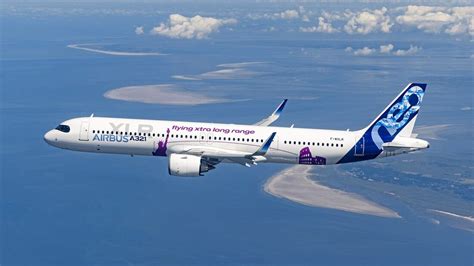
Notably, the A321LR and A321XLR, designed for long-haul narrowbody routes, can maintain these high cruise speeds over extended periods, bridging transatlantic and intra-Asia routes with ease while remaining efficient and cost-effective.
How Speed Enhances Airline Operations
While speed is not the most important factor in modern fleet planning—fuel efficiency still reigns supreme—it plays a vital supportive role in daily airline operations. On high-frequency, short-haul routes, or congested sectors where turnaround delays are common, being able to cruise at Mach 0.82 allows airlines to recover time lost during boarding or departure. That translates into fewer missed slots, lower gate delays, and improved on-time performance.
This operational margin is especially useful for carriers using narrowbodies on tight schedules. For instance, indigo, Lufthansa, and JetBlue leverage the A320neo’s speed advantage to enhance schedule reliability in some of the world’s busiest air corridors.
Fuel Efficiency Meets Performance
The A320neo doesn’t trade speed for efficiency—instead, it optimizes both. Thanks to its engines and refined aerodynamics, the jet offers up to 20% lower fuel consumption compared to its predecessor, the A320ceo. Lower fuel burn directly correlates to lower emissions, making the A320neo one of the most environmentally responsible aircraft in widespread service.
The engine’s higher bypass ratios and advanced materials also contribute to longer maintenance intervals, reducing downtime and maximizing aircraft availability. Furthermore, the aircraft’s smaller noise footprint—cut nearly in half during flight tests—has made it more favorable for operations at noise-restricted airports.
Speed vs. the Competition: Boeing 737 MAX and COMAC C919
When comparing the Airbus A320neo to the Boeing 737 MAX series, both families have similar top-end cruise speeds, but the A320neo maintains a slight edge in consistent operational performance. The A320neo’s aerodynamic improvements and engine efficiency have helped it dominate over 60% of the global narrowbody market, as of 2025.
While China’s COMAC C919 has entered the field, it remains largely confined to the Chinese domestic market. It offers similar cruise speeds but lacks the global support network and operational history that Airbus has built over decades. This ensures the A320neo remains the fastest and most reliable narrowbody option for international operators.
High-Speed Versatility with the A321LR & A321XLR
The A321neo variants, especially the LR (Long Range) and XLR (Extra Long Range), offer unprecedented mission capabilities for narrowbodies. Airlines such as JetBlue, Aer Lingus, and Qantas have deployed these aircraft on transatlantic and Asia-Pacific routes that were once the domain of widebodies.
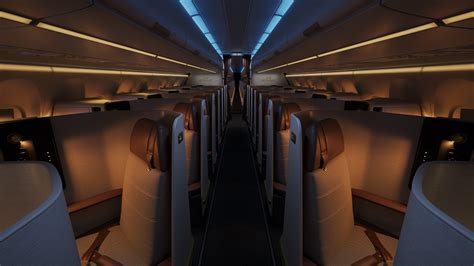
The A321XLR, set to enter full commercial service soon, offers a range of nearly 4,700 nautical miles, all while sustaining a high cruise speed. This means airlines can now connect secondary cities directly, reducing dependency on congested hubs, improving passenger experience, and cutting costs.
Production, Demand, and Future Enhancements
The production lines for the A320neo family have been running at record pace. Airbus opened a fourth production line in Hamburg, repurposing old A380 facilities to meet A321neo demand. By 2025, Airbus has targeted monthly deliveries exceeding 75 aircraft, an unprecedented figure for commercial aviation.
With over 11,000 aircraft ordered and 3,900+ already delivered, the A320neo program has far exceeded its original sales forecast. Key buyers include Air India, AirAsia, and Indigo Partners, each placing massive fleet orders that further solidify the A320neo’s market dominance.
Meanwhile, Airbus is developing incremental upgrades to the platform, including aerodynamic tweaks, cabin layout enhancements, and possibly even hydrogen-powered variants for the post-2035 market.
Why the A320neo Is the Ultimate Narrowbody Performer
The Airbus A320neo stands at the pinnacle of narrowbody performance not just because of its unmatched fuel economy, but also due to its high-speed versatility. The ability to operate at Mach 0.82 allows airlines to add scheduling flexibility and operational resilience without compromising efficiency.
It is the fastest Airbus narrowbody in active service, and that title is not simply a matter of marketing—it’s backed by engineering, real-world airline use, and global demand. While speed alone no longer defines aircraft success, the A320neo has found a winning formula that combines it with everything else that matters: economics, safety, reliability, and scalability.
For the modern airline, speed remains a tool—and the A320neo is built to use it wisely.