The modern aviation landscape is defined by efficiency, scale, and adaptability, and few aircraft families embody those qualities as comprehensively as the Airbus A320neo. From bustling intercontinental hubs to emerging regional airports, the A320neo family has become an omnipresent feature of global skies. Its widespread adoption is not accidental, nor is it the result of a single technical breakthrough. Instead, it reflects a carefully orchestrated convergence of engineering evolution, airline economics, environmental foresight, and industrial strategy, all refined over decades of narrowbody experience.
What makes the A320neo family remarkable is how seamlessly it fits into the realities of contemporary airline operations. Airlines today face relentless pressure to lower costs, reduce emissions, maintain network flexibility, and scale capacity with precision. The A320neo addresses all of these demands without forcing carriers into disruptive transitions or risky fleet overhauls. By building on an already trusted platform and enhancing it with targeted innovations, Airbus created an aircraft family that feels both familiar and future-ready, a rare balance in commercial aviation.
The global presence of the A320neo family also reflects the changing nature of air travel itself. Passenger demand has shifted toward more frequent point-to-point services, thinner long-haul routes, and higher expectations for comfort and sustainability. The A320neo is not merely keeping pace with these trends; it is actively shaping them. Understanding why this aircraft family is everywhere requires a closer look at how Airbus engineered scalability into its design philosophy, how it aligned technology with airline economics, and how it leveraged industrial reach to ensure unmatched visibility worldwide.
Designing a Narrowbody Platform for Global Scale and Longevity
At the core of the A320neo family’s success lies Airbus’ decision to pursue an evolutionary, rather than revolutionary, design strategy. The “New Engine Option” concept was intentionally crafted to deliver substantial performance gains while preserving the fundamental architecture of the original A320. This approach minimized technical risk, shortened development timelines, and allowed airlines to integrate the aircraft into existing fleets with remarkable ease. In an industry where fleet disruptions can ripple through operations for years, this continuity proved invaluable.
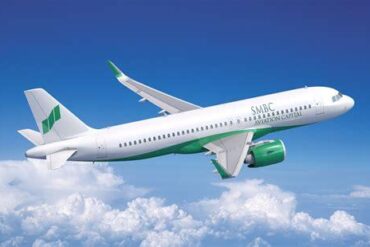
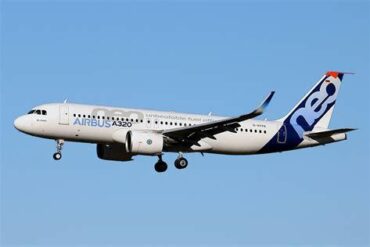
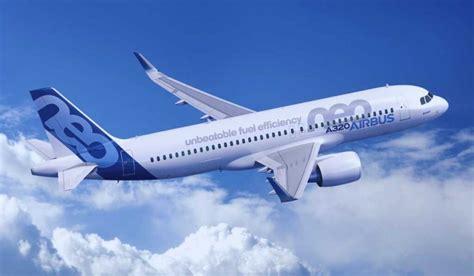
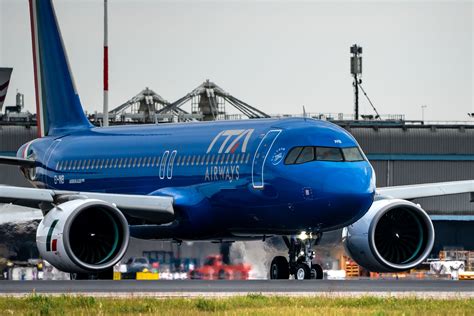
The A320neo family encompasses the A319neo, A320neo, and A321neo, covering a wide spectrum of seating capacities and mission profiles. This flexibility allows airlines to deploy the same basic aircraft architecture across diverse networks, from high-frequency regional services to dense short-haul trunk routes and even long-range missions. Airbus’ aerodynamic refinements, including advanced sharklets and subtle airframe optimizations, work in concert with new engines to deliver at least 20% lower fuel burn and CO₂ emissions compared to previous-generation aircraft. These gains translate directly into lower operating costs, making the aircraft attractive to both legacy carriers and cost-focused low-cost airlines.
Equally important is the inherited credibility of the A320 platform itself. Since its introduction in the late 1980s, the original A320 family revolutionized short- and medium-haul aviation with its digital fly-by-wire system and standardized cockpit philosophy. Over 12,000 A320ceo-family aircraft were delivered worldwide, creating one of the largest installed bases in commercial aviation history. When the NEO was launched, airlines were not evaluating an unproven concept; they were upgrading a trusted workhorse. This institutional confidence accelerated adoption and helped the A320neo achieve global penetration at an unprecedented pace.
Advanced Engine Technology as a Catalyst for Worldwide Adoption
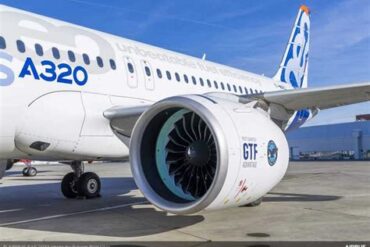
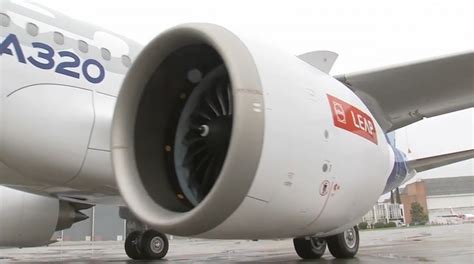
One of the most decisive contributors to the A320neo family’s global reach is its propulsion technology. Airbus offered customers a choice between two cutting-edge engines: the CFM LEAP-1A and the Pratt & Whitney PW1100G-JM geared turbofan. This dual-engine strategy broadened the aircraft’s appeal and reduced dependency on a single supplier, a critical consideration for airlines managing long-term fleet risk. It also echoed the successful approach used on earlier A320 generations, reinforcing continuity while enabling innovation.
Both engines deliver double-digit improvements in fuel efficiency, significantly lower noise levels, and reduced emissions compared to their predecessors. The Pratt & Whitney geared turbofan, in particular, introduced a transformative concept by allowing the fan and low-pressure turbine to operate at optimal speeds. This architecture improves thermal efficiency and reduces mechanical stress, contributing to lower fuel consumption and long-term maintenance benefits. Meanwhile, the LEAP-1A integrates advanced composite materials and high-efficiency aerodynamics to achieve comparable gains with a different engineering philosophy.
Beyond pure performance metrics, these engines support airlines’ broader environmental strategies. The A320neo family is already certified to operate with up to 50% sustainable aviation fuel, with a clear pathway toward 100% SAF compatibility. As governments tighten emissions regulations and passengers grow more environmentally conscious, this future-proofing has become a decisive factor in fleet planning. Airlines are not just buying an aircraft for today’s economics; they are investing in a platform aligned with the next decades of regulatory and societal expectations.
Cockpit Commonality and the Economics of Fleet Simplicity
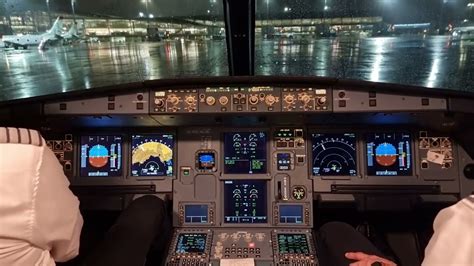
While engines and aerodynamics often dominate headlines, cockpit commonality is one of the A320neo family’s most powerful, yet understated, advantages. Airbus deliberately preserved the A320 family’s flight deck philosophy, ensuring that pilots can transition between CEO and NEO variants with minimal additional training. This design choice has profound economic implications, particularly for airlines operating large and diverse fleets.
Pilots qualified on the A320ceo can move to the NEO through short adjustment courses rather than full type-rating programs, dramatically reducing training costs and downtime. Maintenance crews benefit from similar efficiencies, as many systems, procedures, and spare parts remain familiar. These savings may appear incremental on a single aircraft, but across fleets numbering in the hundreds, they compound into substantial financial advantages.
This commonality also enhances operational flexibility. Airlines can reassign aircraft between routes, bases, and even subsidiaries without the logistical complexity associated with mixed fleet types. A pilot might fly an A319neo on a lower-demand regional sector one day and an A321neo on a high-density route the next, all within the same certification framework. Extending beyond the narrowbody family, Airbus has designed pathways that allow A320-rated pilots to transition to widebody types such as the A330 and A350 with remarkably short additional training. This scalability reinforces the A320neo’s role as the backbone of many global fleets.
Industrial Scale, Production Capacity, and Global Visibility
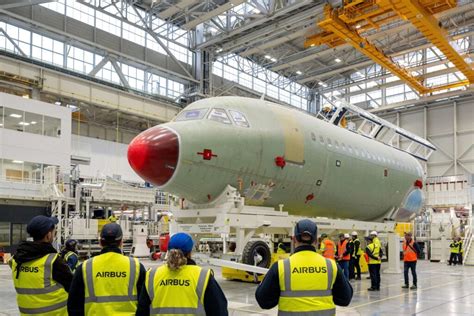
An aircraft cannot dominate global skies without an industrial system capable of delivering it at scale. Airbus recognized this reality early and invested heavily in expanding A320neo production capacity. Today, the family is assembled across multiple final assembly lines in Europe, Asia, and North America, creating a geographically diversified manufacturing network that reduces delivery risk and strengthens relationships with key markets.
This distributed production model has enabled Airbus to respond to surging demand while maintaining delivery reliability. Thousands of A320neo-family aircraft are currently on order, ensuring that the type will remain a central feature of airline fleets well into the 2030s. High delivery volumes translate directly into global visibility; the A320neo has become one of the most frequently observed aircraft types in commercial airspace, a testament to both its popularity and its intense daily utilization.
The roots of this industrial success stretch back to the A320ceo era. Decades of steady production ramp-ups allowed Airbus to refine supply chains, optimize assembly processes, and build resilience into its manufacturing ecosystem. When the transition to the NEO occurred, Airbus was not reinventing its production system; it was upgrading it. This continuity avoided many of the bottlenecks that plague clean-sheet aircraft programs and allowed the A320neo to scale faster than most competitors.
The A321neo Phenomenon and the Blurring of Aircraft Categories
Within the A320neo family, no variant better illustrates Airbus’ strategic foresight than the A321neo. This stretched derivative has redefined what a single-aisle aircraft can achieve, effectively blurring the traditional boundary between narrowbody and widebody operations. For many airlines, the A321neo has become a versatile tool capable of replacing larger aircraft on select routes while offering superior economics.
The introduction of the A321LR and A321XLR extended this capability even further. With ranges sufficient for transatlantic and other long-haul missions, these variants enable airlines to open new city pairs that were previously uneconomical with widebodies. Lower trip costs, right-sized capacity, and high frequency make the A321neo family particularly attractive in markets where demand is strong but not dense enough to justify larger aircraft.
This flexibility has driven extraordinary demand. The A321neo is among the fastest-selling aircraft in Airbus’ history, embraced by both legacy carriers seeking network optimization and low-cost airlines pursuing long-haul expansion without widebody risk. Its success amplifies the global presence of the entire A320neo family, reinforcing Airbus’ dominance in the narrowbody segment.
Passenger Experience and Network Transformation
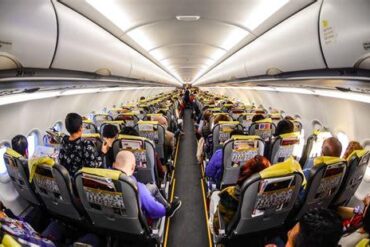
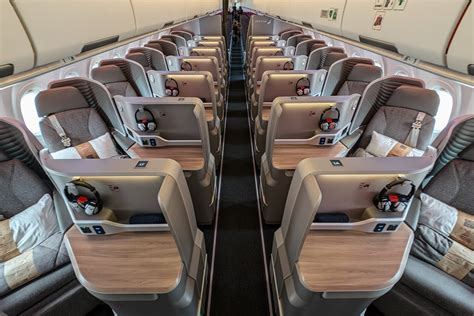
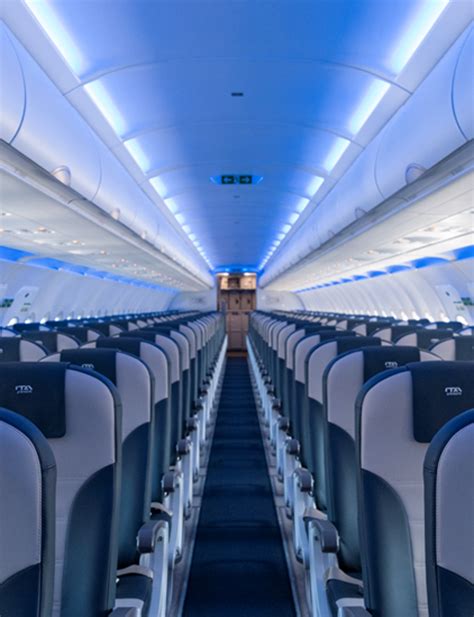
While airline economics often dominate fleet decisions, passenger experience plays an increasingly influential role in shaping aircraft success. The A320neo family offers tangible improvements in cabin comfort, including quieter interiors, improved air quality, and modern lighting systems. These enhancements, though subtle, contribute to higher passenger satisfaction, particularly on longer sectors where comfort differentials become more noticeable.
The aircraft’s efficiency also enables airlines to redesign networks around passenger preferences. Direct routes between secondary cities, higher flight frequencies, and more consistent schedules become feasible when operating costs are lower and capacity is right-sized. For travelers, this translates into fewer connections and more convenient travel options. The A320neo is not just responding to network changes; it is enabling them.
From an airline branding perspective, deploying a modern, efficient aircraft sends a powerful signal. Passengers increasingly associate newer aircraft with safety, comfort, and environmental responsibility. The A320neo family aligns seamlessly with these perceptions, reinforcing its appeal beyond pure economics.
A Platform Aligned with the Future of Aviation
Looking ahead, the A320neo family is positioned to remain a cornerstone of global aviation. Airbus continues to refine the platform with incremental performance upgrades, digital enhancements, and sustainability initiatives. These improvements ensure that the aircraft remains competitive against current and future rivals without requiring disruptive redesigns.
For airlines, the A320neo represents a low-risk, high-return investment. It delivers immediate cost savings, aligns with long-term environmental goals, and integrates smoothly into existing operational frameworks. For passengers, it offers quieter flights, improved comfort, and access to a broader range of destinations. These combined benefits explain why the aircraft has achieved such extraordinary global penetration.
The story of the A320neo is ultimately a story of continuity and evolution. From the pioneering fly-by-wire A320 of the 1980s to today’s ultra-efficient NEO variants, Airbus has consistently adapted the platform to meet changing market realities. With tens of thousands of aircraft delivered and on order across both generations, the A320 family’s influence on commercial aviation is profound and enduring. Its massive global presence is not a fleeting trend but the result of decades of deliberate, disciplined innovation, positioning the A320neo as a defining aircraft of modern air travel.