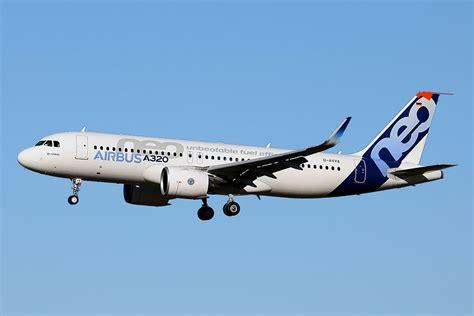
The global aviation industry has received a powerful signal of confidence as Airbus finalizes a record-breaking agreement with AerCap for 100 additional A320neo family aircraft. This landmark deal not only reinforces Airbus’s dominance in the narrowbody segment but also underscores the accelerating demand for fuel-efficient, next-generation jets in a rapidly evolving airline landscape.
The agreement combines both exercised options and fresh firm orders, reflecting a carefully structured expansion strategy by AerCap. As the world’s largest aircraft leasing company, AerCap’s purchasing decisions often act as a bellwether for broader market trends. In this case, the message is unmistakable: airlines are doubling down on efficiency, flexibility, and scalability as they prepare for sustained global travel growth.
At the heart of the order lies a clear preference for larger-capacity aircraft. Of the 100 jets secured, 77 are the extended-fuselage A321neo, while 23 are standard A320neo models. This imbalance reveals a strategic tilt toward higher passenger capacity and improved seat economics—two critical advantages in today’s cost-sensitive airline environment.
A Strategic Vote of Confidence in the A320neo Family
This transaction marks the largest single direct order AerCap has ever placed for the A320neo family, elevating its significance beyond mere numbers. It represents a deep institutional endorsement of Airbus’s engineering philosophy and its long-term product roadmap.
The A320neo family has consistently outperformed competitors in fuel efficiency, delivering up to 20% lower fuel burn compared to previous-generation aircraft. For airlines facing rising fuel costs and intensifying environmental scrutiny, such gains are not optional—they are essential. AerCap’s decision reflects a calculated bet that demand for these aircraft will remain strong well into the next decade.
Airbus executives have emphasized that the deal aligns with a broader industry transition toward more sustainable operations. Modern aircraft like the A320neo not only reduce emissions but also offer quieter operations and lower maintenance requirements, making them highly attractive assets in a leasing portfolio.
Delivery Timeline Signals Long-Term Market Confidence
The delivery schedule further highlights the strategic depth of this agreement. Aircraft deliveries are set to begin in 2028 and continue through 2034, ensuring a steady pipeline of new assets entering AerCap’s portfolio over a six-year period.
This extended timeline is not incidental—it reflects long-term confidence in air travel demand and fleet renewal cycles. Airlines worldwide are gradually retiring older, less efficient aircraft, replacing them with models that offer superior performance and lower operating costs. AerCap’s order positions it perfectly to meet this demand surge.
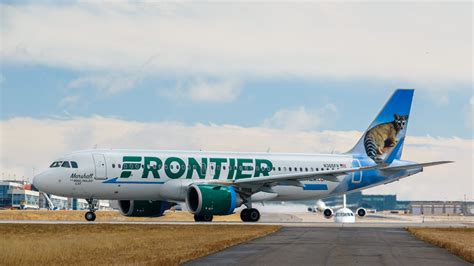
There is also a strong indication that many of these aircraft will ultimately serve the U.S. market, particularly through ultra-low-cost carriers. Fleet commonality, already a hallmark of several budget airlines, allows operators to streamline training, reduce maintenance complexity, and maximize aircraft utilization. The A320neo family fits seamlessly into this model.
Why the A321neo Dominates the Order Mix
The overwhelming preference for the A321neo within this deal is far from accidental. Airlines are increasingly favoring larger narrowbody aircraft that can operate both high-density short-haul routes and longer transcontinental services.
The A321neo offers extended range capabilities and significantly higher seating capacity compared to its smaller sibling. This translates into lower cost per seat, a crucial metric for profitability. For leasing companies like AerCap, aircraft that deliver superior economics are easier to place with airline clients and command stronger long-term lease rates.
Additionally, the A321neo’s versatility allows airlines to adapt quickly to shifting demand patterns. Whether serving busy domestic corridors or thinner international routes, the aircraft provides a level of operational flexibility that is difficult to match.
Engine Strategy Reflects Industry Realities
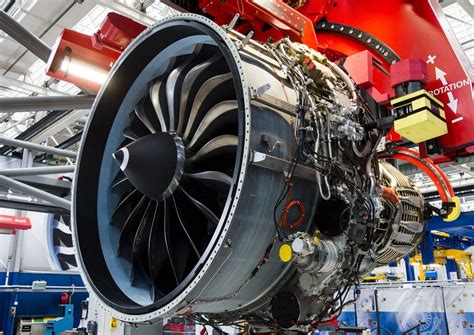
A notable aspect of the deal lies in AerCap’s engine selection strategy. The A320neo family can be powered by either CFM International’s LEAP-1A engines or Pratt & Whitney’s PW1000G geared turbofan engines. In this case, AerCap has leaned decisively toward the CFM LEAP option.
This choice reflects ongoing industry concerns surrounding reliability and maintenance challenges associated with certain engine platforms. Operational disruptions and grounding issues in recent years have prompted airlines and lessors to prioritize proven performance and stability.
AerCap has reinforced this strategy by entering long-term agreements for 48 LEAP-1A engines through its Shannon Engine Support joint venture. This move ensures not only engine availability but also a robust support infrastructure, reducing downtime and enhancing asset reliability.
A Defining Moment for Narrowbody Market Leadership
This 100-aircraft order is more than a headline-grabbing transaction—it is a defining moment in the ongoing competition for narrowbody supremacy. Airbus continues to solidify its leadership position, leveraging the A320neo family’s performance advantages and strong market acceptance.
For AerCap, the deal strengthens its portfolio with high-demand, future-proof assets that are likely to remain востребованными across multiple market cycles. For airlines, it signals continued access to efficient, scalable aircraft that can support growth while maintaining cost discipline.
In an industry where margins are thin and competition is relentless, decisions like this are not made lightly. They are grounded in rigorous analysis, long-term forecasting, and a clear understanding of where the market is heading. And right now, all signs point toward a future dominated by efficient, versatile narrowbody aircraft—led by the A320neo family.