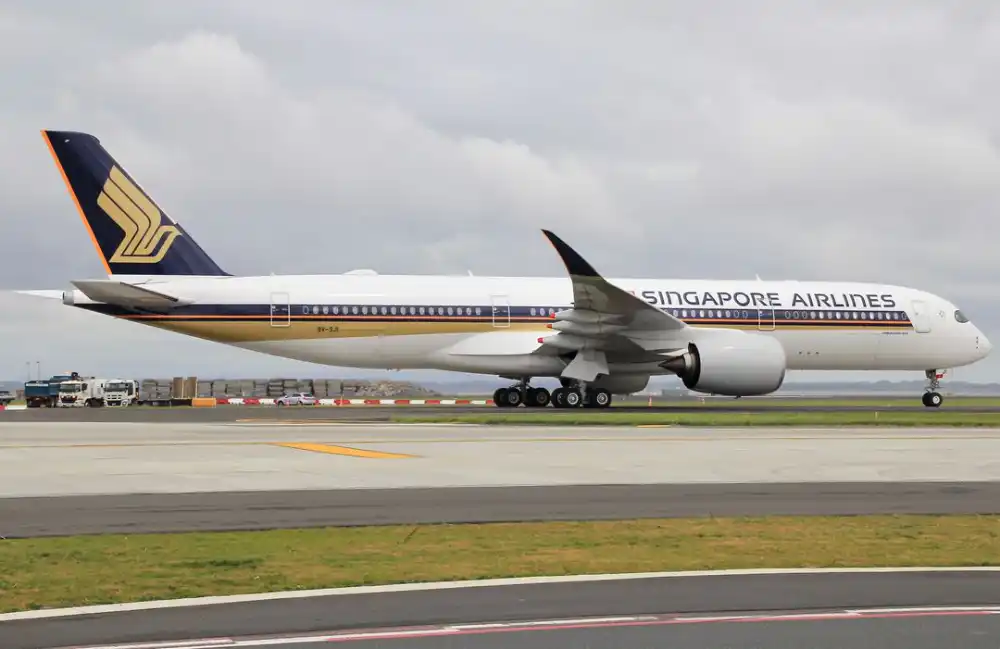
A veteran aircraft engineer has been awarded AU$40,000 (around US$28,000) in compensation after being dismissed following a brief delay involving a Singapore Airlines aircraft. The dispute centered on a 17-minute disruption caused when the engineer powered down and restarted the aircraft to clear fault messages before departure. Although the action resolved the technical issue, the airline argued that the procedure breached maintenance expectations.
The engineer was employed by Heston MRO, an Australian maintenance organization that provides aircraft support services for airlines including Singapore Airlines. The case later became a significant example of the tension between strict aviation safety procedures and the requirement for employers to follow fair workplace processes.
Singapore Airlines Aircraft Reboot Triggered Workplace Dispute
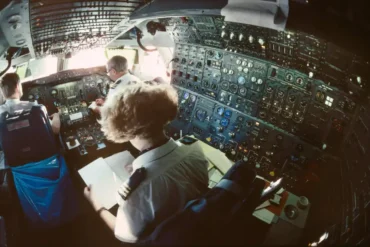
The incident occurred when the engineer attended a Singapore Airlines aircraft displaying several fault messages before a scheduled flight. After discussions with the flight crew, he decided to perform a power-down and reboot procedure designed to reset the aircraft systems and remove the warnings.
The restart successfully cleared the reported issues, allowing the aircraft to continue preparing for departure. However, the process resulted in a 17-minute delay, which Singapore Airlines later considered unacceptable. The airline claimed that the engineer had acted outside approved procedures and had relied on personal judgment rather than following established maintenance protocols.
Singapore Airlines described the situation as a case of improper handling that affected passengers and created customer dissatisfaction. The airline subsequently contacted Heston MRO and requested action regarding the engineer’s authorization to work on its aircraft.
Heston initially investigated the matter and reached a different conclusion. The company determined that the engineer had not violated procedures and supported his explanation that the reboot was a normal troubleshooting method used to address certain aircraft system messages.
Second Investigation Changed Outcome for Experienced Engineer
Despite Heston’s first findings, Singapore Airlines requested another review, arguing that the original investigation was not sufficiently objective. The maintenance company later conducted a second investigation under new leadership, including its newly appointed Head of Quality and Safety.
The second review reached a much harsher conclusion. The engineer was accused of committing a “reckless violation”, and Heston ultimately dismissed him. However, the engineer was reportedly not informed about the full details of the second investigation or given an opportunity to respond to the revised findings before losing his position.
The dismissal involved an employee with approximately 25 years of aviation industry experience. He had worked for Heston from May 2023 until December 2025, building a long professional background in aircraft maintenance and safety-critical operations.
Fair Work Tribunal Finds Procedural Problems in Dismissal
The case was later reviewed by Australia’s Fair Work Tribunal, which determined that Heston did not need to reinstate the engineer. One factor considered by the tribunal was his decision to take additional casual shifts with another airline, Virgin Australia, which was viewed as having affected his employment relationship with Heston.
However, the tribunal also found shortcomings in the dismissal process. While safety concerns were recognized as extremely important in aviation, the ruling emphasized that employers must still provide workers with proper procedural fairness.
The tribunal ordered Heston MRO to pay AU$40,000 in compensation because the company failed to adequately explain the reasons behind the dismissal and did not provide the engineer with a meaningful opportunity to respond.
Employment adviser Akile Numan highlighted that even within a highly regulated industry, safety responsibilities do not remove the obligation for employers to follow fair workplace procedures.
Singapore Airlines’ Strong Australian Network Adds Context
The dispute comes against the background of Singapore Airlines’ major presence in Australia, one of the airline’s most important international markets. The carrier operates services to multiple Australian cities, connecting the country with its global network through Singapore.
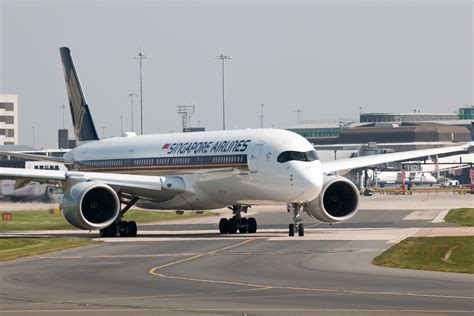
Melbourne is among the airline’s busiest Australian destinations, with multiple daily services operated using aircraft such as the Airbus A350, Airbus A380, and Boeing 777. Sydney, Brisbane, and Perth also receive frequent Singapore Airlines flights, reflecting the strong demand between Australia and Asia.
The incident highlights the complexity of modern aviation maintenance, where engineers must balance operational efficiency, technical expertise, and strict safety requirements. Aircraft maintenance decisions can involve difficult judgments, especially when unexpected system messages appear before a flight.
For airlines and maintenance organizations, the case demonstrates that safety culture depends not only on technical rules but also on transparent investigations and fair treatment of skilled professionals. The compensation ruling does not overturn the importance of aviation procedures, but it reinforces that workplace decisions in safety-critical industries must still follow proper processes.