In a landmark decision that could have ripple effects across the airline industry, five American Airlines flight attendants have been awarded a staggering $18.6 million by a California jury. The case centered on severe health complications allegedly caused by toxic uniforms distributed to employees in 2016. The court’s ruling marks a significant step in a long and contentious legal saga that has pitted flight attendants against one of the world’s largest airlines and its former uniform supplier, Twin Hill.
The verdict, delivered by the Alameda Superior Court, followed years of escalating complaints, medical evaluations, and independent testing. The five plaintiffs, chosen as a bellwether group, represented the experiences of over 400 similarly affected airline employees across the United States. The jury found that the uniforms, which were part of a highly publicized rollout by American Airlines, were unreasonably dangerous and had a direct causal link to multiple health problems reported by the staff.
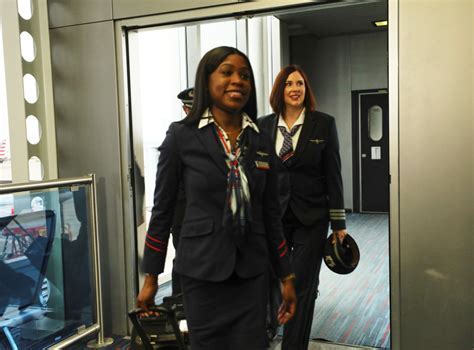
The Toxic Rollout: Uniforms Meant to Unite Trigger Health Crisis
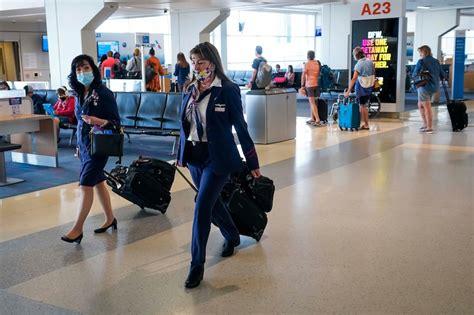
The controversy began in 2015, when American Airlines prepared to outfit more than 65,000 employees with a new line of uniforms designed by Twin Hill, a subsidiary of Tailored Brands. Initial wear tests hinted at possible allergic reactions, but internal assessments and lab analyses did not conclusively detect harmful chemicals. Still, the airline pushed forward, and by September 2016, the new garments were distributed nationwide, reaching employees in critical hubs like Dallas/Fort Worth (DFW), Los Angeles (LAX), Miami (MIA), and New York (JFK).
Within weeks, airline hotlines were flooded with complaints. Flight attendants reported a spectrum of symptoms: skin rashes, severe respiratory problems, eye irritation, and neurological disturbances. A union-led internal survey logged hundreds of cases, compelling American Airlines to permit alternative attire starting in 2017. However, reports of secondary exposure—symptoms triggered by contact with colleagues still wearing the affected uniforms—persisted for years.
Jury’s Verdict: Twin Hill 90% Liable, American Airlines 10%
The jury concluded that the uniforms did not perform as a reasonable consumer would expect, and Twin Hill had been negligent in both manufacturing and post-distribution accountability. They failed to initiate a recall even as employee health complaints mounted and medical evaluations showed troubling consistency in reported symptoms.
Among the five plaintiffs, Virginia Hardy received the highest payout of over $3.9 million, covering lost wages, extensive medical treatment, and emotional distress. The court apportioned 90% of the liability to Twin Hill, while American Airlines was held responsible for the remaining 10%, a split that underscores Twin Hill’s primary role in garment production but doesn’t absolve the airline from complicity.
Chemicals Confirmed: Independent Testing Reveals Formaldehyde and More
Subsequent investigations supported the claims of toxic exposure. Tests conducted by third-party labs identified formaldehyde, a known skin and respiratory irritant, along with 15 additional chemical agents often associated with industrial textile manufacturing. Several of these compounds are linked to allergic contact dermatitis, occupational asthma, and even neurotoxicity.
These findings were crucial in turning the legal tide. While earlier lab reports conducted internally or commissioned by American Airlines had failed to detect significant risks, the independent results painted a more alarming picture. Legal experts argue that the presence of such compounds in clothing meant for continuous, close-to-skin wear violated consumer safety expectations.
Split Verdicts Across States Highlight Legal Complexities
Despite the favorable ruling in California, not all courts have sided with flight attendants. In a recent and contrasting judgment, an Illinois court dismissed a similar lawsuit, citing a lack of admissible scientific evidence. The judge ruled that the plaintiffs had failed to establish a direct link between the uniforms and the medical symptoms beyond a reasonable doubt.
This legal divergence reveals a fragmented litigation landscape. While California jurors emphasized the preponderance of circumstantial and scientific evidence, their Illinois counterparts demanded a stricter threshold. The discrepancy could limit similar claims in more conservative jurisdictions, even as the California verdict gains traction among legal circles advocating for occupational health reform.
The Plaintiffs’ Fight: Five Faces of a Larger Crisis
Each of the five flight attendants in the California lawsuit detailed years of suffering. Beyond physical symptoms, many reported a sharp decline in quality of life, missed work, forced early retirement, and psychological trauma due to persistent medical complications and lack of institutional support.
Virginia Hardy’s case, in particular, stood out. A veteran flight attendant with a clean medical history, Hardy began experiencing severe facial rashes, migraines, and dizziness shortly after donning the new uniform. She consulted multiple specialists, all of whom pointed toward environmental or chemical exposure as a likely cause. Hardy’s commitment to transparency, including submitting to multiple medical examinations and maintaining thorough symptom documentation, helped solidify the case.
American Airlines’ Response and Supplier Fallout
American Airlines has consistently denied liability, maintaining that internal testing and independent verification did not confirm any systemic issue with the 2016 uniforms. However, amid growing pressure from unions and public scrutiny, the company cut ties with Twin Hill in 2017 and signed a new supply deal with Lands’ End, known for stricter textile safety protocols.
In public statements, American Airlines emphasized their commitment to crew well-being and noted the option of alternative uniforms as a voluntary safeguard—not an admission of guilt. Yet, industry insiders suggest the uniform debacle has cost the airline more than money. Employee trust, brand integrity, and internal morale have all taken a hit.
Legal and Industry-Wide Implications
The verdict sends a strong message to airlines and corporate uniform suppliers: employee attire is not merely about aesthetics—it’s a matter of occupational health and liability. While textile allergies and chemical sensitivities are not new issues, the scale and public nature of this case put a fresh spotlight on chemical compliance in workplace garments.
Legal analysts predict the California case may serve as a blueprint for future toxic uniform claims, especially if more jurisdictions adopt lenient evidentiary standards. This could pressure other companies to preemptively review their sourcing and testing protocols to avoid similar fallout.
The ruling could also galvanize union efforts to mandate third-party testing, enforce opt-out clauses for suspected uniform allergies, and include uniform safety in labor contract negotiations.
The Road Ahead for Affected Employees
While the five plaintiffs in California can now begin the process of closure, the battle is far from over for the more than 400 flight attendants with pending or unresolved claims. Many await class certification or individual hearing dates, and some fear their cases may stall in less favorable jurisdictions.
Meanwhile, unions like the Association of Professional Flight Attendants (APFA) continue to collect data, advocate for affected members, and monitor how American Airlines addresses the broader health concerns that emerged from the uniform rollout. APFA leadership recently urged the airline to fund medical screenings for potentially exposed staff, expand alternative clothing options, and publish the full findings of all internal uniform-related testing.
Conclusion: A Verdict with Wings
This $18.6 million verdict is more than a legal victory—it is a milestone in workplace health accountability. It reminds corporations that cost-efficiency in uniform production must not come at the expense of employee welfare. While the lawsuit addressed only five individuals, the echoes of this case will undoubtedly influence future litigation, corporate policy, and perhaps even regulatory reform in occupational apparel safety.
For American Airlines and the airline industry at large, the message is clear: listen to your workers, test your fabrics, and act decisively when red flags arise. The skies may remain friendly, but they must also be safe—from the cabin to the clothing.