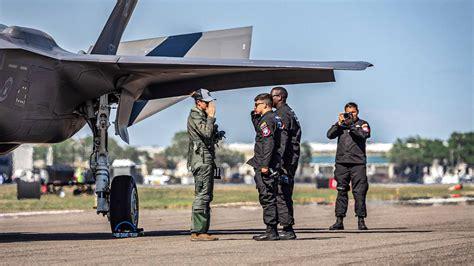
The United States Air Force (USAF) is facing one of the most significant personnel challenges in its modern history. Despite offering experienced fighter pilots retention bonuses worth up to $50,000 annually, the service remains approximately 1,000 fighter pilots short of its operational requirements. The shortage has persisted for years and continues to undermine combat readiness at a time when geopolitical tensions demand a highly capable and fully staffed air force.
Money alone has proven incapable of reversing the trend. While six-figure bonuses appear attractive on paper, they barely scratch the surface of the financial, professional, and lifestyle advantages offered by the civilian aviation industry. The Air Force is fighting a battle on two fronts: attracting enough qualified candidates into pilot training while simultaneously convincing experienced aviators not to leave after completing their initial service obligation.
Rather than being caused by a single issue, the pilot shortage represents the convergence of economic realities, aging aircraft, maintenance bottlenecks, administrative burdens, family pressures, and an increasingly competitive airline industry. Together, these factors have created a recruitment and retention crisis that cannot be solved through bonuses alone.
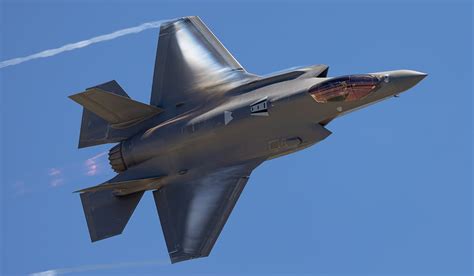
Understanding the Scale of the USAF Fighter Pilot Shortage
The Air Force requires a steady flow of newly trained aviators simply to maintain its existing force structure. Every year, operational squadrons need approximately 350 to 400 newly qualified fighter pilots to replace retirements, resignations, and transfers.
Unfortunately, current production consistently falls well below that target. At the same time, experienced pilots continue leaving the service at rates that exceed retention goals. The result is a force that remains roughly 1,000 pilots below authorized strength, with fighter squadrons suffering some of the most severe shortages.
According to defense assessments, many combat squadrons are operating with staffing vacancies approaching 25 percent. Such shortages place enormous pressure on remaining personnel, forcing fewer pilots to shoulder greater operational responsibilities while simultaneously training the next generation.
Combat aircraft cannot simply be parked until staffing improves. National defense commitments continue regardless of manpower shortages, meaning available pilots must fly more missions, accept additional administrative duties, and deploy more frequently.
Why a $50,000 Retention Bonus Isn’t Enough
At first glance, a $50,000 annual aviation bonus appears generous. Over several years, the incentive can total hundreds of thousands of dollars. However, fighter pilots rarely evaluate their careers based solely on annual bonuses.
Instead, they compare the total lifetime value of remaining in military service versus transitioning to a commercial airline.
For many experienced aviators, the numbers overwhelmingly favor leaving the military.
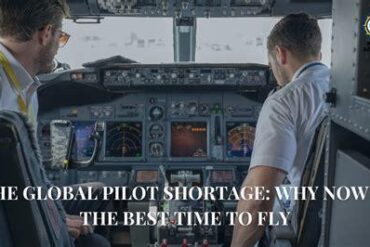
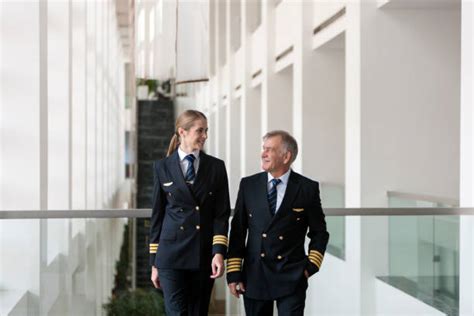
A senior Air Force fighter pilot may eventually earn compensation approaching $200,000 annually, including allowances and aviation incentives. Meanwhile, experienced captains flying international routes for major U.S. airlines routinely earn $400,000 or more, with excellent retirement plans, profit-sharing programs, predictable schedules, and significantly improved quality of life.
The bonus therefore narrows only a fraction of the overall compensation gap.
Even more importantly, airline careers reward seniority above virtually everything else. Every additional year spent wearing an Air Force uniform after the initial commitment delays airline hiring, promotion, aircraft upgrades, and long-term earnings. Financial analysts estimate that postponing an airline career by several years may reduce lifetime income by $2 million to $3 million, making even generous military bonuses comparatively insignificant.
The Air Force Faces a Recruitment Problem Before Retention Begins
The retention crisis often receives the most attention, but recruitment challenges begin much earlier.
The Air Force invests millions of dollars training each military pilot. In return, new aviators commit roughly ten years of service after earning their wings. Historically, this arrangement represented one of the most affordable pathways into professional aviation.
Today, however, commercial airlines have dramatically expanded recruitment efforts.
Many carriers now provide:
- Financial assistance for pilot training
- Tuition reimbursement
- Cadet development programs
- Direct career pathways
- Improved hiring incentives
These programs reduce the financial barriers that once made military aviation the most attractive route into professional flying.
As civilian opportunities become increasingly accessible, some aspiring pilots choose airline careers without ever considering military service.
The Competitive Reality of Becoming a Fighter Pilot
Another challenge lies in the exceptionally selective nature of fighter aviation.
Not every Air Force pilot flies high-performance fighters. In reality, many aviators operate transport aircraft, aerial refueling tankers, reconnaissance platforms, command-and-control aircraft, or other specialized missions.
Only a relatively small percentage ultimately earn assignments flying frontline fighters or bombers.
Even after selection, competition remains intense throughout a pilot’s career. Advancement depends upon performance evaluations, leadership positions, instructor qualifications, operational experience, and squadron requirements.
Many pilots who joined specifically to fly eventually discover that career progression increasingly shifts them away from the cockpit and toward management responsibilities.
Flying Becomes a Part-Time Job
One of the greatest frustrations expressed by experienced fighter pilots is that flying gradually becomes only one part of their profession.
The public often imagines military aviators spending nearly every working day in the air. The reality is dramatically different.
A modern fighter pilot frequently serves multiple simultaneous roles within the squadron. Administrative responsibilities may include scheduling, operations planning, training management, security programs, legal administration, safety oversight, personnel evaluations, logistics coordination, or countless additional duties.
As careers progress, these ground assignments consume increasing amounts of time.
Many senior fighter pilots spend 70 to 80 percent of their workweek completing office tasks rather than flying aircraft.
For individuals who entered military service primarily because they loved aviation, this shift becomes increasingly discouraging.
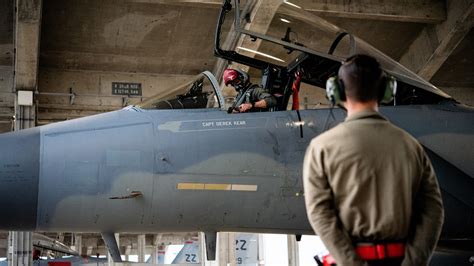
Maintenance Problems Mean Less Time in the Air
Ironically, some of America’s most advanced combat aircraft spend significant time unavailable for flight.
Modern stealth fighters and legacy aircraft alike require extensive maintenance. Aging fleets, spare parts shortages, maintenance staffing limitations, and logistical challenges all contribute to reduced aircraft availability.
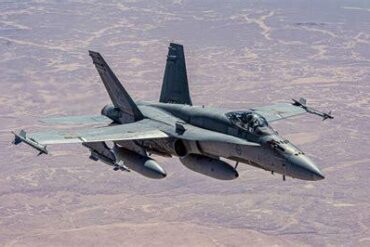
Aircraft such as the F-35 Lightning II, F-22 Raptor, B-1 Lancer, and B-52 Stratofortress demand substantial maintenance support before each flight.
When aircraft remain grounded awaiting repairs, pilots lose valuable flying opportunities.
Many frontline fighter pilots now log only 70 to 120 flight hours annually, depending upon aircraft type and operational requirements.
By comparison, commercial airline pilots commonly accumulate 70 to 80 flight hours every month, spending far more time doing the activity they actually enjoy.
Burnout Continues to Grow
Personnel shortages create a self-reinforcing cycle.
As experienced pilots leave, fewer instructors remain available to train replacements.
Those instructors who stay must conduct additional training sorties, mentor inexperienced pilots, supervise qualifications, and simultaneously fulfill their administrative responsibilities.
The increased workload accelerates burnout.
Eventually, many conclude that remaining in military service no longer provides sufficient personal or professional satisfaction to justify the sacrifices required.
This cycle then repeats as another generation of experienced aviators departs.
Family Life Plays a Larger Role Than Many Realize
Military aviation demands extraordinary commitment.
Frequent deployments, overseas assignments, unpredictable schedules, exercises, night flying, alert duties, and temporary assignments all place considerable strain on families.
Unlike airline pilots, military aviators cannot simply finish a flight and leave work behind.
Administrative meetings, personnel supervision, planning sessions, mandatory training, evaluations, inspections, and additional duties continue long after aircraft have landed.
Commercial aviation offers a dramatically different lifestyle.
Once an airline crew completes its assigned flight, responsibilities generally end until the next scheduled trip. Predictable schedules allow pilots to plan vacations, attend family events, and establish routines that military service often makes impossible.
For many pilots approaching their forties, these quality-of-life improvements become increasingly valuable.
The Airlines Offer More Than Higher Salaries
While compensation remains an important factor, airlines also provide professional simplicity.
An airline pilot’s primary responsibility is remarkably straightforward: safely operate the aircraft.
Military officers, by contrast, are expected to function simultaneously as pilots, managers, supervisors, instructors, administrators, and military leaders.
That broader leadership model is essential for military organizations, but it significantly reduces the amount of time pilots spend flying.
Ironically, many fighter pilots eventually discover they fly less frequently than airline captains operating routine domestic or international routes.
This contradiction contributes significantly to declining retention.
Aircraft Deliveries and Fleet Modernization Add Pressure
The Air Force’s modernization efforts introduce another layer of complexity.
Programs such as the F-35 Lightning II and F-15EX Eagle II promise substantial improvements in combat capability, but production schedules and delivery timelines have not always aligned with operational needs.
Meanwhile, legacy aircraft continue aging, requiring increasingly intensive maintenance support.
The combination of delayed aircraft deliveries and aging fleets limits available training opportunities while increasing maintenance demands on existing squadrons.
Even when sufficient pilots are available, aircraft availability sometimes becomes the limiting factor.
Technology Alone Cannot Replace Human Pilots
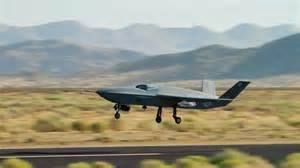
The Air Force continues investing heavily in autonomous systems, artificial intelligence, and collaborative combat aircraft capable of operating alongside crewed fighters.
These technologies will undoubtedly transform future air combat.
However, advanced drones cannot immediately solve today’s pilot shortage.
Autonomous aircraft require years of testing, doctrine development, software refinement, procurement, integration, and operational evaluation before they can meaningfully reduce pilot demand.
For the foreseeable future, experienced fighter pilots remain indispensable for air superiority, strategic deterrence, and complex combat operations.
Can the Air Force Reverse the Trend?
Military leaders recognize that bonuses alone will not solve the problem.
Addressing the shortage likely requires comprehensive reforms that improve both recruitment and long-term career satisfaction.
Potential improvements include expanding pilot training capacity, reducing unnecessary administrative burdens, increasing aircraft availability, streamlining maintenance operations, improving family stability, modernizing career progression, and allowing pilots to spend significantly more time flying.
Retention incentives will likely remain part of the solution, but financial bonuses must complement broader cultural and organizational changes rather than replace them.
Ultimately, fighter pilots overwhelmingly join the Air Force because they want to fly some of the world’s most capable combat aircraft in service of their country. When administrative work dominates their careers while commercial airlines offer substantially greater pay, more flight hours, and improved work-life balance, the decision to leave becomes increasingly understandable.
Conclusion
The Air Force’s shortage of approximately 1,000 fighter pilots reflects a deeper structural challenge rather than a temporary recruiting setback. Although the service now offers retention bonuses reaching $50,000 per year, those incentives cannot overcome the combined effects of higher airline salaries, delayed career progression, reduced flight hours, administrative overload, maintenance limitations, and demanding military lifestyles.
As commercial aviation continues expanding and hiring aggressively, the competition for experienced aviators is likely to remain fierce. Unless broader reforms allow military pilots to spend more time in the cockpit while improving long-term career satisfaction, the Air Force may continue losing precisely the highly trained professionals it can least afford to replace.