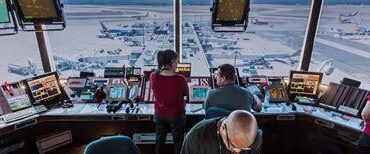
During the historic 2025 U.S. federal government shutdown, a small group of air traffic controllers and technicians maintained flawless attendance despite going unpaid, intense financial strain, and national travel chaos. Now, 776 of those federal workers are being rewarded with a $10,000 bonus, a gesture of appreciation that also raises sharp questions about fairness, policy, and government accountability.
A Shutdown That Brought Aviation to Its Knees
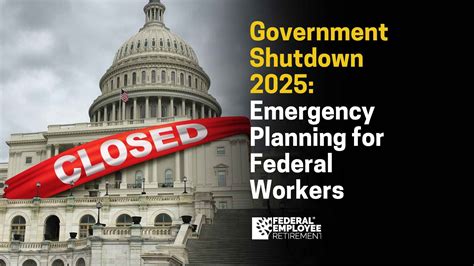
Between October 1 and November 12, 2025, a budgetary deadlock in Congress led to the full shutdown of the U.S. federal government. The shutdown, triggered by a failed continuing resolution and partisan clashes between a Republican-controlled House and Democratic-majority Senate, resulted in the furlough of 900,000 federal employees. Another 2 million workers, including air traffic controllers (ATCs), technicians, TSA officers, and others, were forced to work without compensation.
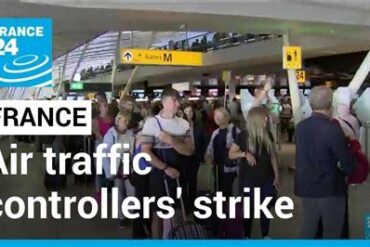
As the shutdown deepened, airports across the country began to experience cascading problems. Over 10% of domestic flights were cancelled at the nation’s 40 busiest hubs, as unpaid workers either called in sick or sought side jobs to stay financially afloat. The FAA’s workforce was stretched thin. Absenteeism surged, leading to delays, staff recalls, and emergency scheduling maneuvers.
Who Earned the $10,000 Bonus—and Why
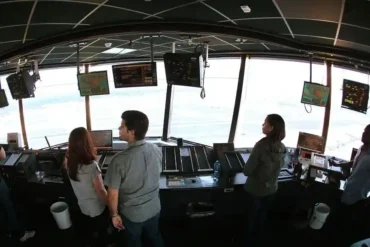
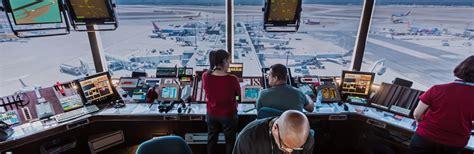
Out of approximately 20,000 air traffic controllers, only 776 employees—controllers and technicians alike—never missed a shift. These individuals met every obligation during the shutdown, displaying what officials called “patriotic resilience.” President Donald Trump, in a widely circulated social media post, proposed a $10,000 loyalty bonus for those who reported for duty without exception. He further called for the docking of pay for those who didn’t.
While the FAA clarified that no pay docking was being considered, the bonus plan was approved. Transportation Secretary Sean Duffy confirmed that the bonuses will be distributed before Christmas, describing it as an early visit from Santa Claus:
“Santa’s coming to town a little early. These patriotic men and women never missed a beat and kept the flying public safe throughout the shutdown.”
Union Discontent and Allegations of Inequity
The National Air Traffic Controllers Association (NATCA), which represents over 10,000 members, has expressed strong reservations about the limited distribution of bonuses. Only 311 NATCA members are among the 776 recipients. The union argues that the vast majority of controllers, many of whom returned to work under forced recall or worked extended hours, also deserve recognition.
Critics of the policy contend that perfect attendance during a financially coercive shutdown is a flawed benchmark for determining loyalty or merit. Many employees faced impossible choices—feed their families or report to work without pay. The union has urged Transportation Secretary Duffy to create a more inclusive recognition framework, possibly involving tiered bonuses based on levels of contribution or hardship.
TSA Officers May Also Be Rewarded
Homeland Security Secretary Kristi Noem hinted that select TSA officers who went “above and beyond” may also be eligible for the $10,000 payout. However, no transparent criteria have been disclosed regarding who qualifies as having performed beyond expectations.
The lack of clear guidelines has opened the door to speculation, resentment, and calls for clarity from federal worker unions. The Department of Homeland Security has yet to issue a formal statement defining the eligibility metrics.
The Broader Impact on Air Travel and Federal Morale
The ripple effects of the shutdown extended far beyond flight delays. It strained the entire federal apparatus, with key agencies like the NIH, CDC, Department of Defense, and Medicare/Medicaid offices forced to limit operations. In aviation, safety protocols were compromised as staffing levels dropped and oversight mechanisms faltered.
Wait times for security checks exceeded three hours in some major airports. Flight crews were offered bonuses by airlines to keep services running, while private jet traffic was halted at key hubs to conserve resources for commercial operations.
These realities spotlight a hard truth: federal workers, essential to the country’s infrastructure, were left to “think about survival over public safety,” as stated by the NATCA President. The $10,000 bonus may symbolize gratitude, but it also underscores the toll of political deadlock on national stability and frontline labor.
Conclusion: Symbol or Solution?
The decision to reward perfect attendance with a five-figure bonus is both a gesture of recognition and a flashpoint of controversy. While 776 federal workers are being praised for their service during a dark chapter of U.S. governance, thousands of others who kept the system barely afloat are being left out.
As debate swirls and holiday payouts loom, one question remains: Should duty under duress be rewarded only when it’s uninterrupted—or should commitment in crisis, however imperfect, also be honored? The conversation is far from over.