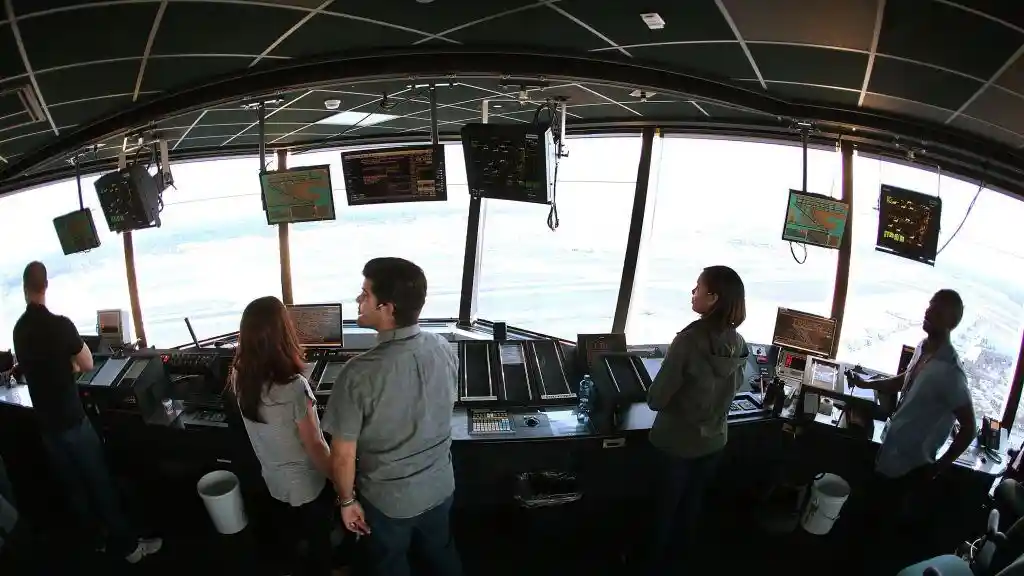
Every day, millions of passengers board aircraft with the expectation that their flights will depart, cruise, and arrive safely. Behind that expectation stands a workforce that rarely receives public attention despite carrying one of the most demanding responsibilities in transportation. Air traffic controllers are the unseen professionals coordinating thousands of aircraft movements simultaneously, ensuring safe separation between planes, managing weather disruptions, responding to emergencies, and keeping increasingly crowded airspace functioning efficiently.
In 2026, discussions about air traffic controller compensation have become more prominent than ever. At first glance, the debate appears confusing. Many controllers, particularly in the United States, earn salaries that exceed those of most government employees. Experienced personnel at major facilities can earn well over $200,000 annually through a combination of base pay, overtime, locality adjustments, and premium compensation.
Yet staffing shortages continue to worsen, training pipelines remain strained, and many controllers report unprecedented levels of fatigue and burnout. The contradiction raises an important question: if controllers earn such impressive salaries, why do so many industry experts still argue that they are underpaid?
The answer lies not in the size of the paycheck alone but in the relationship between compensation, responsibility, workload, staffing shortages, quality of life, and long-term career sustainability. When examined through that broader lens, the argument that many air traffic controllers remain undercompensated becomes far more compelling.
The World’s Busiest Airports Depend On An Extraordinary Workforce
Modern aviation relies on a level of precision that most travelers never see. At major airports such as Hartsfield-Jackson Atlanta International Airport (ATL), Chicago O’Hare International Airport (ORD), London Heathrow Airport (LHR), and facilities serving New York and Southern California, controllers routinely manage some of the most complex traffic patterns on Earth.
Unlike many professions where decisions can be reviewed and corrected over time, air traffic control requires immediate judgment. Controllers often have only seconds to analyze situations, coordinate with pilots, monitor weather developments, and adjust traffic flows accordingly. Every instruction has direct safety implications.
A typical shift involves constant information processing. Aircraft arrive from multiple directions, departures require precise sequencing, weather conditions change rapidly, and unexpected events can emerge without warning. Controllers must maintain concentration throughout the process while ensuring that hundreds of lives aboard each aircraft remain protected.
The pressure becomes even greater at the world’s busiest facilities, where traffic density leaves little room for error. Every runway assignment, altitude change, heading adjustment, and spacing decision contributes to the safe operation of an entire transportation network.
These responsibilities place air traffic controllers among the most critical safety professionals in aviation.
Why High Salaries Do Not Automatically Mean Fair Compensation
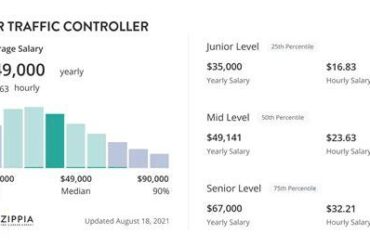
Much of the public discussion surrounding controller pay focuses on annual salary figures. In the United States, experienced controllers often earn more than $137,000 annually, while top earners at Level 12 facilities can approach federal compensation limits exceeding $228,000.
Viewed in isolation, those numbers appear impressive.
However, compensation should never be evaluated solely by comparing one profession’s salary with another. The more relevant question is whether earnings adequately reflect the responsibilities, working conditions, and sacrifices required by the role.
A controller earning six figures may still be undercompensated if maintaining that income requires excessive overtime, chronic fatigue, disrupted family life, and exposure to extraordinary workplace stress.
This distinction explains why salary statistics alone fail to capture the reality facing many controllers in 2026.
The profession demands years of specialized training, strict medical standards, continuous performance evaluations, and sustained mental concentration. Unlike many highly paid careers, errors can produce immediate consequences affecting hundreds of passengers simultaneously.
When these factors are considered collectively, the compensation debate becomes far more nuanced than simple salary comparisons suggest.
FAA Staffing Shortages Reveal A Larger Problem
One of the strongest arguments supporting concerns about compensation comes from workforce data itself.
If controller salaries truly reflected an ideal balance between responsibility and reward, recruitment and retention would likely be healthier than they currently are. Instead, the Federal Aviation Administration continues to face significant staffing challenges.
Entering 2026, the FAA remained approximately 3,500 controllers below operational staffing goals. Some facilities continue operating with substantial vacancy rates, forcing remaining personnel to absorb additional workload.
The shortage has developed despite years of competitive compensation packages and recruitment efforts.
This reality highlights a critical issue. Salary may be high in absolute terms, but it has not proven sufficient to offset the profession’s increasingly difficult working conditions.
Many controllers no longer evaluate careers solely through financial compensation. They also consider schedule stability, work-life balance, fatigue management, career longevity, and overall quality of life.
As workloads increase and staffing shortages persist, compensation that once appeared attractive may no longer feel adequate relative to the demands being placed on the workforce.
Mandatory Overtime Has Become A Defining Issue
One factor contributing significantly to perceptions of underpayment is the growing reliance on overtime.
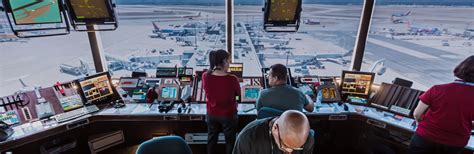
At numerous facilities, controllers routinely work six-day weeks and extended schedules. Mandatory overtime has become increasingly common as agencies attempt to maintain operational coverage despite staffing deficits.
While overtime increases earnings, it also changes the nature of compensation.
Higher pay generated through additional hours does not necessarily indicate better compensation. Instead, it can signal a workforce being asked to work beyond sustainable limits.
Controllers often report missing family events, experiencing disrupted sleep cycles, and struggling to maintain healthy routines because of scheduling demands. The financial benefits associated with overtime cannot fully compensate for these personal costs.
Fatigue remains a major concern throughout aviation because cognitive performance can decline when workers experience prolonged periods of insufficient rest. In a profession where concentration is essential, chronic fatigue creates risks that extend beyond individual employees.
As a result, many controllers view overtime compensation not as a bonus but as payment for conditions that would ideally not exist in the first place.
The Psychological Burden Is Difficult To Measure
Perhaps the most overlooked aspect of the compensation discussion involves psychological pressure.
Most professions contain stress. Air traffic control involves a unique form of stress because every decision directly affects public safety.
Controllers must continuously monitor aircraft positions, maintain legal separation standards, coordinate with adjacent facilities, and anticipate potential conflicts before they develop. This process continues hour after hour throughout every shift.
Even on days without emergencies, the responsibility remains constant.
The mental workload is substantial because controllers cannot simply “switch off” while performing their duties. Continuous attention is required. A momentary lapse can create serious operational consequences.
Few occupations require such prolonged periods of intense concentration while simultaneously managing complex and dynamic situations.
Many industry observers argue that compensation should recognize not only technical skills but also the exceptional mental demands associated with maintaining safe and efficient air traffic operations.
When viewed through this perspective, even relatively high salaries may not fully reflect the psychological burden carried by controllers every day.
Staffing Shortages Are Becoming A Safety Concern
Historically, staffing discussions often focused on operational efficiency and workforce planning.
Today, safety considerations increasingly dominate the conversation.
As experienced controllers retire and staffing deficits persist, remaining personnel frequently shoulder additional responsibilities. Increased workloads can contribute to fatigue, which may influence performance over time.
The aviation system remains extraordinarily safe, but safety experts have expressed growing concern regarding the cumulative effects of prolonged understaffing.
The challenge creates a self-reinforcing cycle.
Controllers facing heavier workloads experience greater stress and burnout. Burnout can encourage early retirement or career changes. Departures increase staffing shortages. Remaining employees inherit even more workload.
This cycle makes retention especially important.
Compensation plays a critical role because retaining experienced controllers is often more valuable than replacing them after departure. Veteran personnel possess institutional knowledge, operational judgment, and local expertise that require years to develop.
Investing in compensation therefore becomes more than an employee benefit. It becomes a strategy for preserving operational stability and maintaining safety standards.
The Training Pipeline Cannot Expand Overnight
Another reason compensation remains controversial involves the lengthy certification process required to become a fully qualified controller.
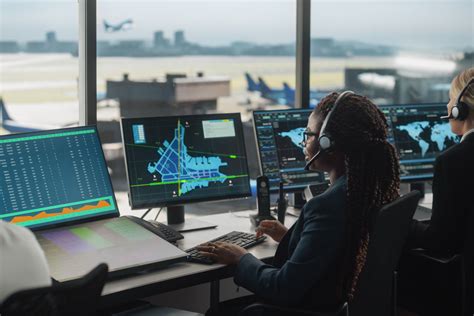
Unlike occupations where employers can quickly increase staffing through recruitment, air traffic control requires extensive screening, education, simulation training, and facility-specific qualification.
The process often takes years.
Even after completing formal training, candidates must demonstrate proficiency within the unique environment of their assigned facility. Major airports present particularly difficult challenges because of traffic complexity and operational demands.
Not every trainee successfully completes certification.
Training attrition remains a persistent issue throughout the industry, meaning agencies cannot simply hire large numbers of applicants and expect proportional increases in certified controllers.
The result is a workforce system with limited flexibility.
When experienced personnel retire or resign, replacing them becomes a lengthy process. Consequently, retention becomes just as important as recruitment.
Higher compensation can help attract candidates, but it also serves another purpose: encouraging experienced professionals to remain in the workforce longer whenever possible.
Mandatory Retirement Creates Constant Workforce Pressure
Unlike many professions, air traffic control includes mandatory retirement requirements.
In the United States, controllers generally must retire at age 56. This policy exists because of the cognitive demands associated with the occupation, but it also creates predictable workforce challenges.
Every year, experienced personnel leave regardless of staffing conditions.
As retirements continue, agencies must simultaneously replace departing controllers while attempting to eliminate existing shortages. This dual challenge significantly complicates workforce planning.
The situation resembles attempting to fill a container while water continues flowing out through a drain.
Even periods of successful recruitment may fail to generate noticeable staffing improvements because retirement outflows absorb much of the incoming workforce growth.
This reality strengthens arguments for competitive compensation because retaining experienced personnel until retirement and maximizing career longevity becomes essential to maintaining operational capacity.
Government Funding Uncertainty Damages Recruitment
Compensation discussions increasingly extend beyond salary levels into broader employment conditions.
Government shutdowns and funding disputes have highlighted vulnerabilities that many prospective applicants find concerning.
During federal funding interruptions, controllers often continue working because air traffic control is considered an essential service. However, paychecks may be delayed until political disputes are resolved.
Although workers eventually receive back pay, the experience can create frustration and uncertainty.
Few private-sector professionals would willingly accept the possibility of reporting to work without immediate compensation. Yet controllers have faced precisely that situation during government funding disruptions.
For individuals evaluating career options, such uncertainty influences decision-making.
The profession already demands extensive training, irregular schedules, high stress, and mandatory retirement. Adding concerns about funding stability can reduce its attractiveness compared with alternative career paths.
Consequently, compensation discussions increasingly include questions of institutional reliability, workforce support, and long-term career confidence.
International Controllers Face A Stronger Case For Underpayment
While American controllers earn relatively high salaries, international comparisons reveal a much stronger underpayment argument.
Many of the world’s busiest airports operate in countries where controller compensation is substantially lower despite similar operational complexity.
London Heathrow Airport, one of the busiest and most challenging aviation hubs globally, provides a notable example. Controllers responsible for managing dense traffic within constrained airspace often earn significantly less than comparable FAA personnel.
Converted into U.S. dollars, experienced salaries frequently fall within ranges that would be considered modest relative to the responsibilities involved.
The disparity becomes even more striking when local living costs are considered.
Major aviation hubs are commonly located near expensive metropolitan areas where housing, transportation, childcare, and everyday expenses consume substantial portions of income.
Controllers working near London, Paris, Toronto, Sydney, and other major global cities often face financial pressures that reduce the practical value of their salaries.
As a result, many international controllers manage some of the world’s most demanding airspace while receiving compensation that appears disproportionately low relative to both their responsibilities and local cost of living.
Why The Underpayment Debate Is Really About Value
The phrase “underpaid” often creates misunderstandings because many people associate it exclusively with low income.
In reality, underpayment concerns value rather than salary alone.
A professional can earn a high income and still be undercompensated if the demands of the position significantly exceed the rewards provided.
Air traffic controllers operate at the intersection of public safety, transportation efficiency, national economic activity, and technological complexity. Their decisions affect airlines, airports, cargo operations, business travel, tourism, and millions of passengers every day.
Few professions exert such broad influence while remaining largely invisible to the public.
The persistence of staffing shortages across multiple countries suggests that compensation packages are not fully aligned with the realities of the profession. If they were, recruitment and retention challenges would likely be far less severe.
This does not mean every controller is poorly paid in absolute terms. Many earn substantial incomes. Instead, it means compensation may not adequately reflect the combination of responsibility, stress, fatigue, training requirements, staffing shortages, and career limitations that define modern air traffic control.
Conclusion
The debate surrounding air traffic controller compensation in 2026 extends far beyond annual salary figures. While experienced controllers at major U.S. facilities often earn six-figure incomes and some approach federal pay caps, staffing shortages, burnout, mandatory overtime, retirement pressures, and recruitment challenges continue to affect the profession.
These realities reveal that compensation alone has not solved the industry’s workforce crisis. Controllers are being asked to manage increasingly complex airspace systems while operating under conditions that many consider unsustainable over the long term.
Internationally, the case becomes even clearer. Many controllers responsible for some of the world’s busiest airports earn significantly less than their American counterparts despite handling comparable operational complexity and facing similarly demanding responsibilities.
Ultimately, the question is not whether air traffic controllers earn respectable salaries. The more important question is whether those salaries accurately reflect the immense responsibility, mental strain, training investment, and operational importance associated with keeping the global aviation system safe.
For a growing number of aviation professionals, policymakers, and industry observers, the answer remains no. That is why, despite impressive headline salaries, air traffic controllers at many of the world’s busiest airports continue to be viewed as underpaid in 2026.