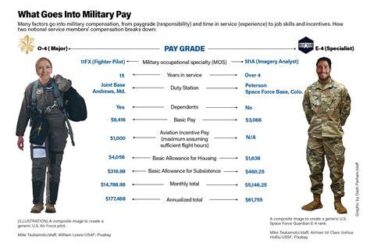
In modern business aviation, the cockpit no longer represents the only source of income for elite corporate pilots. Across the United States, Europe, and the Middle East, a growing number of experienced aviators are turning their aircraft expertise into a highly profitable secondary career by teaching fellow pilots in advanced simulators and corporate training centers. What was once considered a temporary role for low-time instructors has evolved into one of the most lucrative side hustles in aviation.
The economics behind this trend are impossible to ignore. Corporate pilots already earning substantial salaries flying ultra-long-range private jets are now adding another layer of income through instruction contracts, simulator sessions, recurrent training programs, and consulting work tied directly to their aircraft type ratings. For pilots operating high-demand aircraft such as the Gulfstream G650, Bombardier Global 7500, or Dassault Falcon 7X, the ability to teach can dramatically increase annual earnings while simultaneously improving career stability.
The aviation industry’s pilot shortage has only intensified the value of instructor-qualified corporate aviators. Training providers, private flight departments, and aircraft management firms are all competing for a relatively tiny pool of pilots capable of teaching sophisticated avionics systems and international operating procedures. As a result, simulator instructors with real-world business jet experience are commanding salaries that rival, and in some cases exceed, traditional airline captain compensation.
Unlike airline schedules that often involve tightly controlled seniority systems, corporate aviation offers a level of flexibility uniquely suited to side work. Many Part 135 charter pilots and private flight department captains experience extended downtime between trips, creating ideal opportunities to step into simulators and classrooms during off-duty periods.
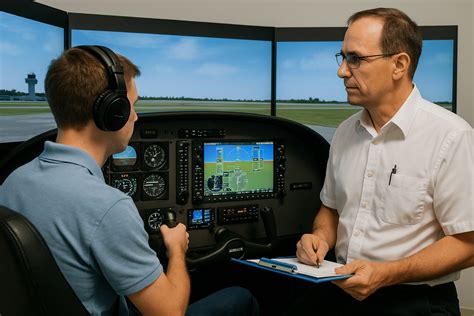
The Rise Of The Corporate Aviation Instructor Side Hustle
For decades, flight instruction was viewed primarily as a stepping stone toward airline employment. Young pilots accumulated hours in small piston aircraft before eventually leaving the training environment behind forever. Today, that model has completely changed within the corporate aviation world.
Veteran business jet pilots are increasingly treating instruction as a parallel profession rather than a temporary career phase. Instead of walking away from training environments after reaching the cockpit of a private jet, many pilots are returning as highly specialized educators capable of teaching complex aircraft systems that few aviators fully understand.
This transformation is largely driven by the increasing sophistication of modern business jets. Aircraft like the Gulfstream G700 and Bombardier Global 7500 feature avionics suites, fly-by-wire technologies, and integrated automation systems that require instructors with deep operational knowledge. Simulator facilities cannot simply hire generic instructors. They need pilots who have actually flown these aircraft across oceans, into difficult weather conditions, and through real-world operational challenges.
The result is a premium market where experience itself has become a monetizable asset. A captain who already spends half the month flying executives across continents can spend the remaining days instructing simulator trainees at premium hourly rates.
Many pilots describe the arrangement as the perfect blend of financial growth and professional development. Teaching forces instructors to remain exceptionally sharp on emergency procedures, systems logic, aircraft limitations, and abnormal operations. In many cases, instructors become even more technically proficient than line pilots who only operate routine missions.
The side hustle has evolved into something far more sophisticated than occasional contract work. Some corporate pilots now structure entire business models around dual-income aviation careers, balancing private flying with simulator instruction, consulting services, and operational advisory roles.
Why Corporate Simulator Instructors Earn So Much
The salary gap between traditional flight instructors and corporate simulator instructors is staggering. A Certified Flight Instructor at a local flight school may spend years earning relatively modest pay while teaching students in single-engine aircraft. By contrast, simulator instructors teaching on heavy corporate jets operate in a completely different financial ecosystem.
In the United States, experienced corporate aircraft instructors commonly earn between $100,000 and $170,000 annually in full-time positions. Those teaching ultra-long-range aircraft frequently surpass those figures through bonuses, overtime opportunities, and contract assignments.
The explanation lies in scarcity. There are simply not enough pilots qualified to teach advanced business aircraft. To become eligible, instructors typically need:
- Thousands of flight hours
- Extensive turbine experience
- Specific type ratings
- Recurrent training certifications
- Strong technical communication skills
- Real-world operational credibility
Training centers also invest enormous amounts of money into their simulator infrastructure. Full-motion simulators for aircraft such as the Gulfstream G650 or Falcon 8X can cost between $15 million and $25 million each. Facilities operating these machines cannot afford underqualified instructors.
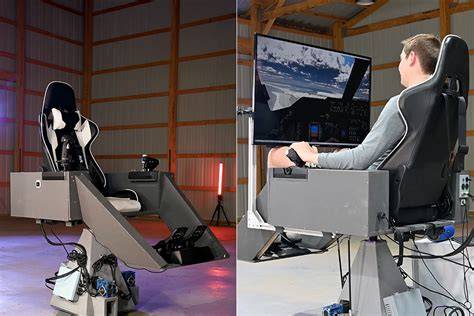
The economics become even more favorable for pilots already flying the aircraft professionally. Since they maintain active operational experience, they are often viewed as more valuable than purely classroom-based instructors. Their knowledge reflects current industry practices rather than outdated procedures.
Major global training providers aggressively recruit these pilots because customers prefer learning from instructors who actively operate the aircraft in real-world conditions. A pilot teaching Atlantic crossings or complex Middle Eastern operations during the week brings a level of credibility impossible to replicate through textbooks alone.
Salary Breakdown Across The United States And Europe
Corporate simulator instructor compensation varies significantly depending on geography, aircraft type, and employment structure. However, the market consistently rewards specialization.
In the United States, pilots teaching on premium business jets routinely occupy the highest earning bracket within the instructional aviation sector. Full-time instructor salaries commonly range between $100,625 and $171,250 per year, with certain heavy-jet specialists earning even more through contract work.
Meanwhile, traditional flight instructors often remain within the $55,000 to $85,000 range, particularly at smaller schools or regional academies.
The United Kingdom presents a slightly different structure. Instructors at major facilities such as CAE or independent simulator centers often earn around £65,000 annually, although senior instructors in major aviation hubs may exceed £110,000 depending on aircraft specialization and overtime arrangements.
Across Europe, Type Rating Instructors operating under EASA regulations frequently earn between €72,000 and €95,000, with additional compensation often coming through:
- Pension contributions
- Loss-of-license insurance
- Housing assistance
- TRI allowances
- Health benefits
- International travel compensation
European compensation packages may appear lower on paper than American contracts, but the additional benefits can significantly improve long-term financial stability.
In aviation hubs like Paris, London, Amsterdam, and Frankfurt, experienced heavy-jet instructors remain in exceptionally high demand. Because EASA flight time rules are more restrictive, fewer pilots can legally combine active line flying with frequent instruction work. That supply constraint pushes instructor rates higher.
Freelance Instructor Pilots And The Power Of Contract Work
The real financial acceleration often occurs when corporate pilots move beyond traditional salaried employment and enter the freelance market.
Freelance simulator instructors operating independently can command daily rates that dramatically exceed normal salary calculations. In the United States, instructors qualified on aircraft such as the Gulfstream G650 or Global 7500 may charge $1,500 or more per day for simulator sessions, consulting, or recurrent training support.
European freelance Type Rating Instructors often command:
- £750 to £1,000 daily in the United Kingdom
- €1,100 or more daily in continental Europe
For pilots balancing contract instruction with active flying careers, these numbers quickly become transformative. A pilot completing only several instruction blocks each month can add tens of thousands of dollars annually to their existing corporate salary.

Many of these professionals eventually establish formal business entities such as LLCs in the United States or LTD companies in Europe. This structure provides both legal and financial advantages.
Operating through a company allows pilots to deduct legitimate business expenses tied to their instructional work, including:
- Recurrent training costs
- Aviation headsets
- Travel expenses
- Hotel accommodations
- Licensing renewals
- Medical certifications
- Aviation insurance
- Professional memberships
For American pilots, LLC structures combined with S-Corp taxation elections can also reduce self-employment tax exposure, potentially saving substantial amounts annually.
The contractor lifestyle appeals strongly to pilots seeking greater control over their schedules. Rather than committing entirely to one employer, many experienced aviators now divide their time among private owners, charter operators, simulator centers, and consulting projects.
This diversification creates an unusually resilient aviation career model. If one market weakens temporarily, another often remains strong.
The Aircraft Type Ratings That Generate The Highest Instructor Income
Not all aircraft qualifications carry equal value in the instruction market. Some type ratings function almost like premium financial assets due to their rarity and operational complexity.
The Gulfstream GV and G550 family currently sits near the top of the instructor earning hierarchy. These aircraft dominate long-range corporate aviation fleets globally, yet many of the most experienced instructors are approaching retirement age. That demographic imbalance has created aggressive competition for qualified replacements.
Pilots capable of teaching Gulfstream PlaneView avionics systems often receive retention bonuses, premium contract rates, and guaranteed teaching schedules simply because the supply of instructors remains so limited.
The same pattern exists for aircraft including:
- Gulfstream G650
- Gulfstream G700
- Bombardier Global 7500
- Dassault Falcon 7X
- Dassault Falcon 8X
- Embraer Praetor 600
The more technically advanced the aircraft becomes, the smaller the instructor pool grows.
Modern ultra-long-range jets are essentially flying technology platforms packed with integrated avionics, advanced automation, predictive maintenance systems, and highly computerized flight controls. Teaching these aircraft effectively requires both technical intelligence and operational credibility.

Specialized instructors often expand beyond simulator teaching into adjacent consulting roles. Fortune 500 corporate flight departments frequently hire experienced instructors to assist with:
- Standard Operating Procedure development
- Aircraft acceptance evaluations
- Pre-buy inspections
- Safety audits
- International operations consulting
- Crew standardization programs
These consulting opportunities can add another substantial revenue stream beyond direct teaching income.
A pilot who develops a strong reputation within a specific aircraft community may eventually become one of the most sought-after independent experts in that platform worldwide.
Global Mobility And International Teaching Contracts
One of the most fascinating aspects of corporate aviation instruction is the international mobility it creates.
Unlike airline pilots tied to fixed bases and seniority systems, contract instructor pilots often move fluidly between continents. A pilot based in Florida might spend several weeks teaching in Dubai, followed by simulator sessions in Amsterdam or Singapore.
Training providers routinely cover travel, hotels, transportation, and per diem expenses for highly specialized instructors. For pilots with globally recognized type ratings, instruction contracts can effectively become an international consulting business.
This mobility significantly expands income opportunities because instructors are no longer limited by local demand. Instead, they can pursue the highest-paying contracts worldwide.
The Middle East has emerged as a particularly strong market due to rapid private aviation growth among ultra-high-net-worth operators. Asia is also experiencing rising demand as corporate jet ownership expands throughout the region.
Pilots willing to travel internationally often find themselves operating within a premium tier of the aviation labor market where expertise commands exceptionally high compensation.
The lifestyle itself also carries a unique appeal. Many instructors describe their careers as combining luxury travel, aviation expertise, and entrepreneurial freedom in ways traditional airline employment rarely allows.
Why Airlines Cannot Easily Replicate This Career Model
Commercial airline pilots certainly earn substantial salaries, especially at major legacy carriers, but the corporate aviation instructor model offers advantages airlines struggle to match.
Airline schedules are heavily governed by union agreements, seniority bidding systems, and rigid operational structures. Corporate aviation, by comparison, frequently allows more schedule flexibility.
A business jet captain may have multiple consecutive days free between international trips, creating perfect windows for side contracts. Airline pilots often lack similar scheduling freedom, especially during reserve assignments or high-demand travel periods.
Corporate pilots also tend to develop broader operational skill sets. Flying private jets often requires direct involvement in international planning, VIP logistics, custom airport operations, and dynamic route management. These experiences translate well into instructional and consulting environments.
Meanwhile, corporate aviation clients place enormous emphasis on professionalism, discretion, adaptability, and technical competence. Pilots who master these areas often become extremely effective instructors.
The result is a parallel aviation economy where some business jet pilots quietly generate incomes rivaling senior airline captains without relying exclusively on flight hours.
The Future Of Corporate Aviation Instructor Salaries
The long-term outlook for corporate aviation instructors remains exceptionally strong.
Industry forecasts continue warning of global pilot shortages extending well beyond 2027. However, the shortage of qualified instructors may become even more severe than the shortage of pilots themselves.
Every new corporate jet entering service requires crews trained by experienced instructors. Yet the pipeline producing those instructors remains relatively small. Becoming a trusted simulator educator takes years of operational flying experience, technical mastery, and instructional credibility.
Training providers are already responding with aggressive recruitment efforts that include:
- Signing bonuses
- Guaranteed instruction blocks
- Flexible schedules
- Remote briefing opportunities
- Retention incentives
- Hybrid teaching contracts
Technology is also reshaping the profession. Companies are increasingly investing in AI-supported briefing systems, virtual reality learning tools, and advanced simulator analytics. However, these technologies are designed to supplement instructors rather than replace them.
Corporate aviation still depends heavily on human expertise, especially during complex abnormal procedures and high-level operational discussions. Pilots want instructors who understand the realities of oceanic clearances, international diversion planning, difficult weather scenarios, and executive passenger operations.

The pilots who invest in instructor qualifications today are positioning themselves for remarkable long-term stability. Even during economic slowdowns, training requirements rarely disappear. Aircraft owners still need qualified crews, insurance providers still require recurrent training, and regulatory agencies still mandate certification standards.
That stability has become increasingly attractive in an industry historically vulnerable to market cycles.
Why Teaching Has Become One Of Aviation’s Most Valuable Skills
The modern corporate aviation industry has fundamentally changed the definition of pilot success. Flying skill alone is no longer the only path toward financial growth and career longevity.
Today, the most valuable pilots are often the ones capable of transferring their expertise to others. Teaching has evolved from an entry-level aviation job into a premium specialization occupied by some of the industry’s most experienced professionals.
For corporate jet pilots, instruction offers something uniquely powerful: the ability to monetize knowledge without stepping away from the cockpit entirely. It creates a hybrid career built on flexibility, technical authority, and diversified income streams.
As global business aviation continues expanding, the pilots who can both operate and teach advanced aircraft will remain among the most financially resilient professionals in aviation. The combination of active flying experience, instructional credentials, and specialized type ratings has effectively become one of the strongest career formulas in the modern aerospace industry.
In an era where airlines, charter operators, and training centers are all competing for the same shrinking pool of elite aviators, the corporate pilot who teaches on the side is no longer simply earning extra money. They are building a career model designed to thrive regardless of where the aviation market heads next.