The Royal Air Force (RAF) stands as one of the most technologically advanced air arms on Earth, a force that blends stealth fighters, strategic airlift, cyber capabilities, and space operations into a single operational doctrine. At the very top of that structure sits a rank few will ever attain: Air Chief Marshal. It is a four-star appointment that carries immense authority, direct access to government decision-makers, and responsibility for Britain’s entire air power enterprise. But how much does that level of command actually pay?
The answer, drawn from official Ministry of Defence transparency releases and public-sector compensation frameworks, places the annual base salary for an RAF Air Chief Marshal at approximately £150,000 or more per year. That figure reflects core pay and does not include pension accrual or associated benefits. Yet the headline number tells only part of the story. To understand the compensation fully, it helps to examine how this rank fits into Britain’s military hierarchy, how pay progresses over decades of service, and why the final figure represents more than just a paycheck.
The Rank of Air Chief Marshal: Apex of RAF Command
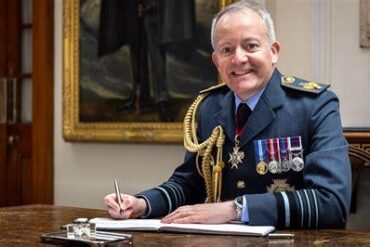
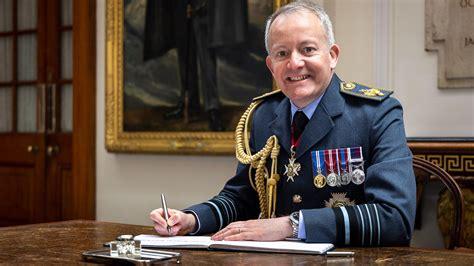
Within the RAF’s rank structure, Air Chief Marshal is the highest regularly used operational rank. Although the five-star title of Marshal of the Royal Air Force exists, it is now largely ceremonial and reserved for extraordinary circumstances. In practical terms, Air Chief Marshal represents the summit of British air power leadership.
Officers at this level most commonly serve as the Chief of the Air Staff, the professional head of the RAF. This position includes membership on the Air Force Board and participation in the Chiefs of Staff Committee, advising the Defence Secretary and Prime Minister on matters involving air, space, and increasingly, cyber capabilities. Under NATO classification, this rank corresponds to OF-9, placing it alongside a General in the Army and an Admiral in the Royal Navy.
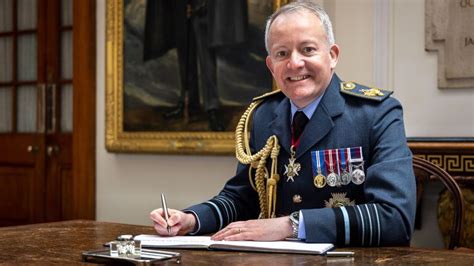
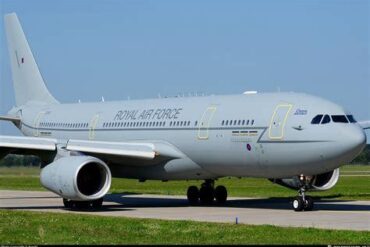
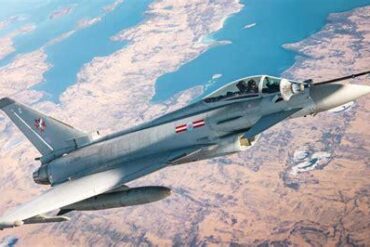
The authority attached to this role is staggering. An Air Chief Marshal oversees tens of thousands of personnel and manages equipment assets worth billions of pounds. This includes frontline platforms such as the Eurofighter Typhoon, the F-35B Lightning II, and the Airbus A400M Atlas, each of which represents not only technological sophistication but enormous procurement and sustainment budgets. In many ways, the role parallels that of a chief executive officer of a vast national institution—except the stakes involve national security rather than quarterly earnings.
The Confirmed Salary: What Official Data Reveals
The United Kingdom enforces strict transparency rules requiring government departments to publish senior salary bands. Ministry of Defence organograms and public compensation disclosures consistently place the Chief of the Air Staff in a salary range of roughly £150,000 per annum, sometimes slightly higher depending on annual adjustments.
Reports from defence-focused publications such as Forces News confirm that British service chiefs—including the Army’s Chief of the General Staff and the Royal Navy’s First Sea Lord—earn within a similar high six-figure band. This parity ensures equality of status and compensation across the three armed services.
It is essential to note that this figure reflects base salary only. It does not account for pension contributions under the Armed Forces Pension Scheme, nor does it include specific allowances tied to certain appointments. Still, in pure salary terms, Air Chief Marshal pay places the rank among the highest-paid positions in the UK public sector.
To place this in context, consider the broader RAF officer pay progression. A newly commissioned Pilot Officer may begin with earnings in the high £20,000 to low £30,000 range. As officers advance to Flight Lieutenant and Squadron Leader, pay increases substantially, often reaching into the £70,000–£80,000 bracket. By the time an officer attains Air Commodore or Air Marshal rank, annual compensation frequently enters six-figure territory. The four-star salary represents the culmination of this structured ascent.
The Long Career Path to Four Stars
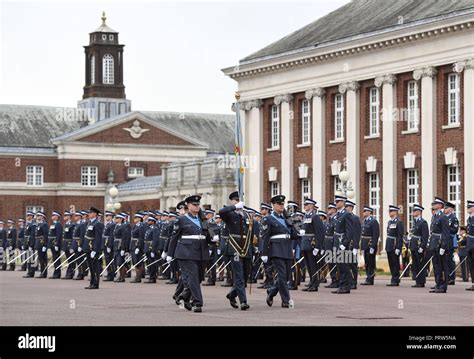
No one steps into a four-star role overnight. Reaching Air Chief Marshal generally requires more than three decades of continuous service. Most begin their journey at RAF College Cranwell, commissioning as Pilot Officers. Early assignments may involve operational flying, engineering oversight, intelligence analysis, logistics management, or air traffic control leadership.
Promotions bring progressively broader authority. Squadron Leaders often command squadrons or manage specialized operational units. Wing Commanders and Group Captains may oversee entire RAF stations or major programme offices. At this stage, leadership shifts from individual performance to institutional stewardship.
The transition into air officer ranks marks an even greater leap. Air Commodores and Air Vice-Marshals handle large formations or strategic policy divisions. Air Marshals occupy senior Ministry of Defence posts, shaping procurement decisions and long-term defence planning. Only a select few are ultimately elevated to Air Chief Marshal, reflecting not merely seniority but sustained excellence and institutional trust.
By the time an officer reaches four-star rank, their compensation reflects decades of accumulated expertise, operational command experience, and political accountability. The salary is less about aviation glamour and more about strategic governance.
Comparing RAF Four-Star Pay Across Government
In Britain’s public sector hierarchy, Air Chief Marshal compensation sits near the top. The UK’s Senior Civil Service pay framework caps many permanent secretaries and senior administrators at levels that are comparable but often slightly lower than four-star military pay. This underscores the importance placed on military leadership within the state apparatus.
Across the armed services, salary parity remains consistent. The Chief of the General Staff and the First Sea Lord earn within the same broad range. This alignment ensures that joint defence leadership functions without financial imbalance influencing institutional dynamics.
However, when compared with private-sector aerospace executives or chief executives of major defence contractors, the contrast is striking. Leaders in the corporate aviation world frequently earn multiple times the annual salary of a four-star RAF officer. The difference reflects the fundamental distinction between public service compensation models and private-sector incentive structures. The RAF’s pay system is designed around accountability, stability, and transparency rather than shareholder returns.
Pensions, Benefits, and the Broader Compensation Structure
Base salary is only one component of total remuneration. All RAF officers are enrolled in the Armed Forces Pension Scheme, a defined-benefit programme that provides substantial long-term financial security. After decades of service, pension accrual can represent a significant asset, especially for those retiring from senior ranks.
Senior officers may also receive certain allowances depending on travel requirements, security considerations, or specific postings. While these additions do not dramatically inflate the six-figure headline, they contribute to overall financial stability.
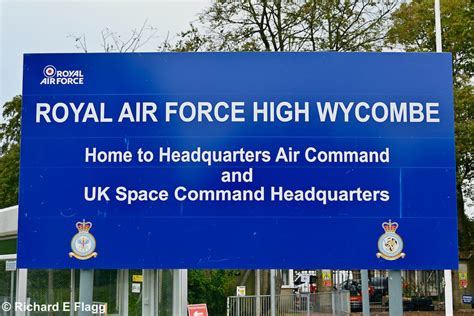
Beyond monetary benefits, the professional support structure attached to the rank is considerable. An Air Chief Marshal operates with dedicated staff, secure communications infrastructure, and direct access to government leadership. These resources are not personal perks but necessary tools for managing Britain’s air defence posture.
The scope of responsibility further clarifies why the compensation stands where it does. Oversight includes combat readiness, fleet modernization, NATO integration, personnel welfare, and multibillion-pound procurement programmes. Decisions made at this level shape operational capability for decades. Accountability at such a scale carries both professional weight and public scrutiny.
Why the Salary Reflects Strategic Responsibility
A four-star RAF officer does not simply command aircraft; they command policy, doctrine, and national capability. The Air Chief Marshal represents British air power in international forums, negotiates multinational cooperation frameworks, and influences defence strategy at the highest political level.
From an entry-level officer earning under £30,000 to a four-star commander earning over £150,000, the pay progression mirrors increasing responsibility rather than mere tenure. Each promotion signals expanded authority and heightened expectation. The financial structure acknowledges that leadership at the apex of national defence must attract and retain individuals capable of navigating complex geopolitical realities.
In absolute terms, an annual salary exceeding £150,000 places RAF Air Chief Marshals among the highest-paid public servants in the United Kingdom. In relative terms, the figure remains restrained compared with private-sector executives overseeing similarly sized organisations. This balance reflects the disciplined, rule-bound framework of government compensation.
Ultimately, the earnings of a Royal Air Force Air Chief Marshal represent the culmination of decades of operational service, institutional leadership, and strategic accountability. The six-figure salary is not a reward for rank alone; it is a recognition of stewardship over one of the world’s most respected air forces and the immense responsibility that comes with safeguarding national air power.