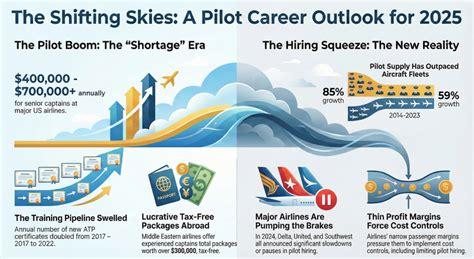
The Boeing 777 remains one of the most respected aircraft in commercial aviation, and in 2026, the pilots who fly it are earning some of the highest salaries in the airline industry. As global demand for experienced aviators continues to outpace supply, major airlines are aggressively increasing compensation packages to attract and retain qualified flight crews. For Boeing 777 captains and first officers, that shift has translated into record-breaking income potential, stronger retirement plans, premium overtime pay, and improved quality-of-life agreements.
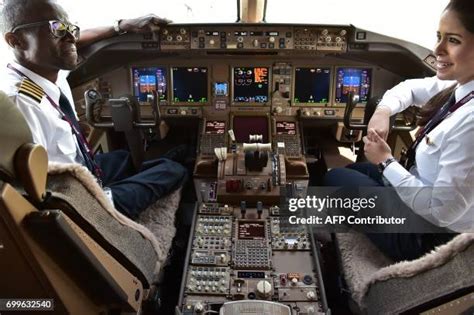
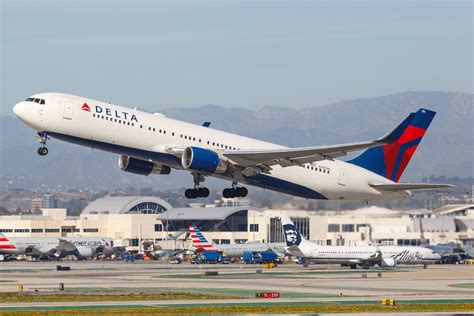
At legacy airlines such as American Airlines, Delta Air Lines, and United Airlines, Boeing 777 pilots now sit near the top of airline pay scales. These are not entry-level positions. Pilots assigned to the 777 are typically among the most senior and experienced employees in an airline’s operation, often with thousands of flight hours accumulated across multiple aircraft types before transitioning into long-haul widebody flying.
The appeal goes far beyond prestige. Flying the Boeing 777 offers access to some of the most lucrative pilot contracts in the world, especially in the United States, where union negotiations over the past several years have dramatically reshaped airline compensation. For many pilots, reaching the left seat of a Boeing 777 represents the financial peak of a commercial aviation career.
Unlike traditional salaried professions, airline pilot compensation follows a more complex structure. A Boeing 777 pilot’s annual income depends on several interconnected variables, including hourly pay rates, seniority, flight schedules, international route assignments, overtime opportunities, and aircraft position.
How Boeing 777 Pilot Pay Works in 2026
Commercial airline pilots in the United States are primarily paid by the flight hour rather than through a fixed annual salary. Every airline negotiates detailed pay scales with pilot unions, establishing hourly compensation rates based on aircraft type and years of service.
For Boeing 777 pilots, those hourly rates are significantly higher than those assigned to narrowbody aircraft like the Boeing 737 or Airbus A320. The reason is straightforward: widebody operations involve more complexity, longer international flights, augmented crews, and higher operational responsibility.
Most major airlines guarantee pilots a minimum number of monthly paid hours, generally between 70 and 85 hours. A common benchmark is 75 hours per month, or roughly 900 hours annually. Federal Aviation Administration regulations limit airline pilots to a maximum of 1,000 flight hours per year, effectively placing a ceiling on how much standard pay can be earned through regular flying alone.
However, “flight hours” in airline payroll terms can be misleading to outsiders. Pilots are usually paid from the moment the aircraft pushes back from the gate until it arrives at the destination gate. Preflight preparation, weather analysis, flight planning, passenger boarding supervision, and post-flight paperwork often occur outside paid flight time.
Even so, Boeing 777 pilots remain exceptionally well compensated because their hourly pay rates are so high. Modern contracts are designed with these unpaid duties in mind, resulting in overall earnings that continue to rank among the highest in transportation.
In addition to hourly wages, pilots receive other forms of compensation that can substantially increase annual income. International per diem payments, premium holiday flying rates, profit-sharing programs, retirement contributions, and overtime incentives all contribute to the final number appearing on a pilot’s yearly earnings statement.
Why Boeing 777 Pilots Earn More Than Narrowbody Crews
Aircraft type has a massive influence on pilot compensation, and few commercial aircraft command higher pay than the Boeing 777.
The aircraft is primarily deployed on long-haul international routes connecting major global hubs across North America, Europe, Asia, the Middle East, and Oceania. Flights often exceed ten hours and require advanced operational knowledge involving international procedures, oceanic navigation, ETOPS regulations, and complex crew scheduling systems.
Because of these demands, airlines usually reserve Boeing 777 assignments for highly senior pilots. Seniority matters enormously in the airline industry. Pilots bid for aircraft, routes, schedules, and bases according to their position on the seniority list. The longer a pilot remains with an airline, the greater access they gain to premium flying opportunities.
For many aviators, transitioning from a narrowbody aircraft to a widebody jet like the Boeing 777 is one of the biggest career milestones in commercial aviation. It represents not only higher status, but also a dramatic jump in compensation.
A Boeing 777 first officer at a major U.S. airline can already earn well into six figures, particularly after several years with the company. Meanwhile, captains operating the aircraft routinely earn salaries that rival executives in other industries.
Long-haul flying also introduces additional financial advantages. International trips typically involve extended layovers in foreign cities, during which pilots receive tax-advantaged per diem allowances for meals and incidental expenses. Over a full year, those payments can add thousands of dollars to total compensation.
Widebody schedules may also create opportunities for premium pay. Airlines facing staffing shortages frequently offer incentive rates for open trips, especially on international operations where replacement crews are harder to source. In some cases, pilots can earn 200% or even 300% of their normal hourly rate when accepting additional assignments.
That dynamic has become increasingly common since the post-pandemic pilot shortage intensified competition among airlines.
Boeing 777 First Officer Salary in 2026
A Boeing 777 first officer occupies the right seat of the aircraft and serves as second-in-command. Although captains hold ultimate authority, first officers carry significant operational responsibilities and are fully qualified airline transport pilots.
In 2026, Boeing 777 first officers at major U.S. carriers are earning remarkably strong salaries compared to historical industry standards.
An entry-level widebody first officer transitioning from narrowbody fleets may initially earn between $150,000 and $220,000 annually, depending on airline contracts and monthly flying schedules. More senior first officers with years of international experience can push earnings beyond $250,000 per year, especially when premium overtime opportunities are included.
The rapid increase in pay reflects the broader transformation happening throughout the airline industry. Retirements among senior pilots continue accelerating, while airlines simultaneously expand international operations to meet growing passenger demand.
As a result, competition for qualified pilots has become fierce. Airlines are now using higher compensation as a recruitment and retention strategy, particularly for widebody positions that require substantial training investment.
Another important factor is fleet transition speed. Historically, pilots often waited many years before securing widebody assignments. Today, staffing shortages have shortened those timelines at several airlines, allowing younger pilots to reach Boeing 777 cockpits faster than previous generations.
Boeing 777 Captain Salary in 2026
The largest salary leap in commercial aviation occurs when a pilot upgrades from first officer to captain, and nowhere is that more visible than on the Boeing 777.
Captains are responsible for every aspect of flight operation, crew management, passenger safety, fuel planning, and operational decision-making. The role carries enormous responsibility, particularly on long-haul international flights crossing oceans and multiple airspace jurisdictions.
At major U.S. airlines, Boeing 777 captains now routinely earn base salaries between $350,000 and $450,000 annually. Those figures alone place them among the highest-paid transportation professionals in the world.
But base pay rarely tells the full story.
Many captains voluntarily pick up additional trips during peak travel periods, particularly when airlines offer premium incentive pay. With overtime multipliers and special scheduling bonuses, some Boeing 777 captains can exceed $500,000 annually in total compensation.
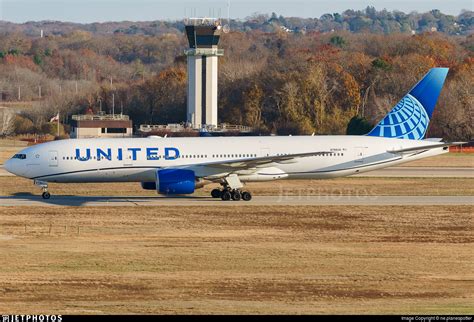
Profit-sharing programs further enhance earnings. Delta Air Lines, for example, has historically distributed substantial profit-sharing checks during profitable years, sometimes adding tens of thousands of dollars to pilot income.
Retirement benefits also remain a major financial advantage. Legacy carriers contribute heavily to pilot retirement plans, and over the course of a long career, those contributions can accumulate into multimillion-dollar retirement accounts.
Quality-of-life improvements negotiated in recent contracts have become equally valuable. Modern agreements increasingly focus on reducing pilot fatigue, improving scheduling flexibility, increasing rest periods, and protecting pilots from aggressive rescheduling practices.
For widebody crews flying ultra-long-haul missions, those provisions matter almost as much as hourly pay rates.
How U.S. Boeing 777 Pilot Salaries Compare Globally
American Boeing 777 pilots remain among the highest-paid in the aviation world, but international markets offer strong competition.
China continues to offer some of the industry’s most aggressive compensation packages for experienced widebody captains. Rapid aviation growth and ongoing pilot shortages have pushed annual earnings for senior captains into the $300,000 to $500,000 range, sometimes even higher when expatriate benefits are included.
The Middle East presents a different model. Airlines such as Emirates, Qatar Airways, and Etihad Airways often combine tax-free salaries with extensive benefits packages that include housing allowances, education assistance, transportation, and premium healthcare coverage.
Although headline salaries in the Gulf region may occasionally appear lower than those at top U.S. carriers, the absence of income tax significantly improves take-home earnings.
European airlines generally pay less than their American counterparts. A Boeing 777 or Airbus A350 captain flying for a major European carrier might earn approximately €200,000 to €250,000 annually, depending on country, airline, and labor agreements.
Tax structures across Europe also tend to reduce net income compared to U.S. or Middle Eastern markets.
Despite these regional differences, the United States continues to dominate widebody pilot compensation in 2026, driven by powerful pilot unions, strong airline profitability, and persistent staffing shortages.
The Career Path to Flying the Boeing 777
Becoming a Boeing 777 pilot requires years of progression through the airline industry.
Most aspiring airline pilots begin with flight training and eventually obtain an Airline Transport Pilot certificate after accumulating the legally required flight hours. Many then start their careers at regional airlines, flying smaller jets on domestic routes.
Regional airline first officers generally earn between $55,000 and $80,000 annually, while regional captains may reach $85,000 to $120,000 depending on aircraft type and experience.
From there, pilots transition to major airlines as narrowbody first officers. Salaries rise quickly at that stage, frequently climbing into the low-to-mid six figures.
Widebody assignments typically come later. Airlines prioritize senior pilots for Boeing 777 fleets because of operational complexity and international experience requirements.

Upgrading to captain represents another major hurdle. Pilots must accumulate sufficient seniority, complete command training, and demonstrate extensive operational competence before earning the left seat.
Even with accelerated hiring trends, the process still demands patience, discipline, and years of professional flying experience.
Yet for many pilots, the destination is worth the effort.
Is Becoming a Boeing 777 Pilot Still Worth It in 2026?
In financial terms, few careers offer the same combination of salary potential, retirement benefits, travel opportunities, and long-term demand as widebody airline flying.
The aviation industry continues facing a structural pilot shortage caused by mandatory retirements, fleet growth, and expanding global travel demand. The U.S. Bureau of Labor Statistics projects continued pilot employment growth throughout the coming decade, reinforcing long-term job stability.
For Boeing 777 pilots, those conditions are creating an exceptionally favorable market. Airlines are competing aggressively for talent, contracts continue improving, and compensation remains on an upward trajectory.
The profession still demands sacrifice. Pilots spend long periods away from home, navigate irregular sleep schedules, and shoulder enormous operational responsibility. Training standards remain rigorous, and advancement requires persistence over many years.
But for pilots who ultimately reach the Boeing 777 cockpit, the rewards are substantial. Few positions in commercial aviation combine technical prestige, global operations, and earning potential at such a high level.
In 2026, the Boeing 777 remains more than just a flagship aircraft. For airline pilots, it represents one of the most financially rewarding and professionally respected positions anywhere in aviation.