The financial reality of flying the Boeing 737 MAX in 2026 has evolved into something far more compelling than many outsiders expect. What was once considered a stepping stone aircraft has now become a high-income, long-term career platform at major US airlines. Driven by aggressive union negotiations, post-pandemic pilot shortages, and a reshaped labor market, compensation for narrowbody pilots has surged into unprecedented territory.
Airlines are no longer simply paying for flight hours—they are competing for talent retention, operational stability, and future growth. That competition has rewritten the earning potential of pilots flying the 737 MAX, turning what used to be a modest six-figure job into one that can rival executive-level salaries in other industries.
Understanding how much these pilots actually earn requires looking beyond headline salary numbers. The system is layered with hourly pay scales, monthly guarantees, premium incentives, and retirement contributions, all of which combine to create a surprisingly flexible—and often lucrative—income structure.
The New Salary Reality for Boeing 737 MAX Pilots
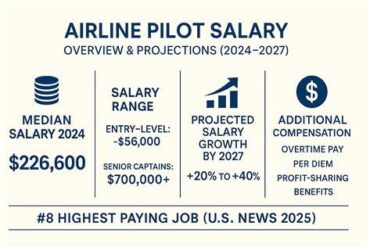
The numbers in 2026 are striking. First Officers at major US carriers now earn between $105,000 and $300,000 annually, depending on experience, schedule, and how aggressively they optimize their flying hours. Meanwhile, Captains routinely start in the $262,000 to $288,000 range, with senior pilots pushing well beyond $450,000 per year.
This isn’t theoretical—it reflects real, documented earnings in today’s airline industry.
What makes these figures particularly noteworthy is how quickly pay scales ramp up. A first-year First Officer at United Airlines, for example, begins at roughly $116 per hour, but that number climbs steeply within just a few years. Senior Captains on the same aircraft can exceed $360 per hour, creating a massive income spread driven almost entirely by seniority.
A decade ago, breaking the $250,000 barrier on a narrowbody aircraft required exhausting schedules and near-maximum legal flight hours. In 2026, that threshold has become routine rather than exceptional, fundamentally reshaping expectations for airline pilot careers.
Why Hourly Pay Matters More Than Annual Salary
Unlike traditional professions, airline pilots are not paid a fixed salary. Instead, their earnings revolve around hourly flight pay, which is then multiplied by a monthly minimum guarantee, typically ranging between 75 and 85 hours.
This structure creates a predictable baseline while still allowing for significant upside.
For example, even if a pilot flies fewer hours in a given month, they are still compensated at the guaranteed minimum. However, pilots who exceed that threshold—by picking up extra flights or flying more complex routes—can dramatically increase their income.
The result is a system where:
- The floor is stable, ensuring financial security
- The ceiling is flexible, rewarding effort and availability
This balance is a major reason why 737 MAX pilot roles have become so attractive. It allows individuals to tailor their workload—and income—to their personal lifestyle preferences.
Seniority: The True Engine Behind Pilot Earnings
If there’s one factor that defines a pilot’s paycheck, it’s seniority. Everything from hourly pay rates to schedule quality is dictated by where a pilot sits on the airline’s seniority list.
A junior First Officer may spend years earning closer to the lower end of the pay scale, often on reserve duty, where they are essentially on standby. During this phase, income typically aligns closely with the minimum monthly guarantee.
In contrast, a senior Captain enjoys:
- Higher hourly rates
- Priority in selecting flight schedules
- Greater access to premium-paying trips
This progression creates a career arc where earnings steadily climb over time. It also explains why two pilots flying the exact same Boeing 737 MAX can have vastly different annual incomes.
Interestingly, aircraft type itself does not significantly influence pay within the same category. A 737 MAX pilot earns roughly the same as someone flying an older 737 or even an Airbus A319 at most legacy carriers. Airlines group these aircraft into a “narrowbody pay band,” making seniority—not aircraft—the dominant variable.
Premium Pay and the Art of Maximizing Income
Beyond base pay, pilots have access to a range of income multipliers that can significantly boost their annual earnings.
One of the most impactful is premium trip pay, where pilots pick up additional flights—often at 1.5x or even 2x their standard hourly rate. These opportunities arise when airlines need to cover open schedules, especially during peak travel periods or staffing shortages.
A mid-level First Officer who actively picks up these trips can out-earn their contractual baseline by tens of thousands of dollars annually. For Captains, the impact is even more dramatic.
There’s also growing potential tied to newer aircraft variants. Larger narrowbody jets like the 737 MAX 10 may carry slight pay premiums due to their higher passenger capacity and operational classification.
All of this turns pilot income into something dynamic rather than static—a system where strategy and availability can meaningfully influence earnings.
Can 737 MAX Pilots Really Earn Over $400,000?
Yes—and it’s no longer rare.
One widely discussed case involved a Miami-based American Airlines 737 Captain, whose annual earnings exceeded $457,000, as confirmed by a publicly shared W-2. This figure wasn’t the result of unusual circumstances but rather a combination of:
- High hourly pay (over $360/hour)
- Consistent flying schedule
- Strategic use of premium pay opportunities
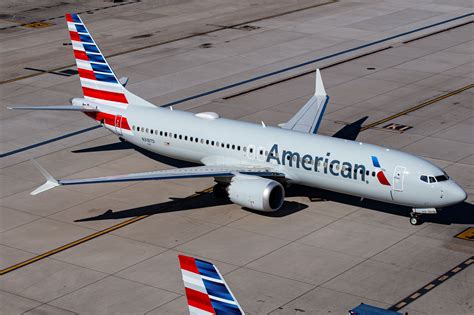
This example underscores a broader trend: narrowbody pilots are now achieving income levels historically associated with long-haul widebody flying. The gap between aircraft types has narrowed to the point where choosing a fleet is more about lifestyle than financial necessity.
Southwest Airlines and the Unique Trip Pay Model
While legacy carriers rely on hourly pay, Southwest Airlines operates a different system known as Trip For Pay (TFP). Instead of logging hours, pilots are compensated based on flight segments.
When converted into industry-standard hourly equivalents, a senior Southwest Captain earns approximately $347 per hour, translating to a base salary exceeding $330,000 annually.
But the real standout feature is the retirement package. Southwest contributes up to 20% of a pilot’s income directly into retirement accounts—without requiring employee matching. This creates a powerful long-term wealth-building mechanism that rivals, and often surpasses, higher headline salaries elsewhere.
For pilots committed to flying the Boeing 737 family exclusively, Southwest represents one of the most financially attractive options in the industry.
Legacy vs Low-Cost vs Regional: The Pay Divide
Not all pilot jobs are created equal, even when the responsibilities appear identical.
At major legacy airlines like Delta, United, and American, compensation has surged due to union contracts and competitive pressure. Meanwhile, pilots at ultra-low-cost carriers or regional airlines often earn significantly less.
A striking comparison highlights this gap:
A first-year First Officer at American Airlines can earn more than a seventh-year First Officer at a smaller carrier.
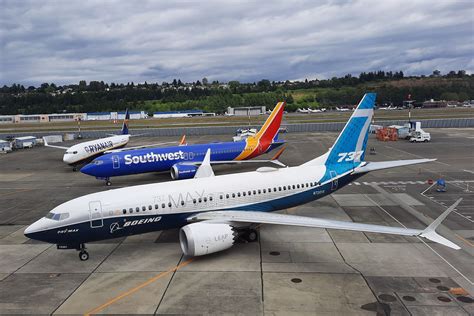
This disparity reflects the importance of employer classification over aircraft complexity. Flying a smaller jet does not mean easier work, but it often comes with a dramatically lower paycheck.
For aspiring pilots, this reality shapes career strategy. The ultimate goal is almost always to secure a position at a mainline carrier, where long-term earning potential is exponentially higher.
The Hidden Risks Behind High Pilot Salaries
While the income figures are impressive, they come with structural risks that are often overlooked.
First, pilots must maintain a valid first-class medical certificate. Any health issue that prevents flying can immediately halt income, regardless of seniority or experience. Although airlines provide disability insurance, it rarely matches active earning levels.
Second, junior pilots frequently spend extended periods on reserve duty, limiting their ability to maximize income. Without access to premium trips or stable schedules, their earnings remain closer to the contractual minimum.
Finally, aviation is inherently cyclical. Economic downturns, fuel price spikes, or global disruptions can lead to:
- Hiring freezes
- Slower promotions
- Reduced flying opportunities
These factors can temporarily stall income growth, even in an otherwise lucrative career.
Retirement, Benefits, and Long-Term Wealth
Salary is only part of the equation. Modern pilot contracts include substantial retirement contributions, often ranging from 15% to 20% of annual earnings.
These contributions are typically non-elective, meaning airlines fund them regardless of employee input. Over a multi-decade career, this can result in millions of dollars in retirement savings, independent of stock market performance or personal investment strategies.
This shift has transformed airline piloting into not just a high-income profession, but a wealth-building career path with strong long-term financial security.
The Future of Boeing 737 MAX Pilot Pay
Looking ahead, the trajectory remains upward. Current labor agreements include built-in annual pay increases, ensuring that pilot salaries continue to rise through the end of the decade.
The introduction of larger variants like the 737 MAX 10 may also bring additional pay tiers, further increasing earning potential for narrowbody pilots.
Barring a major economic disruption, the role of a Boeing 737 MAX pilot at a US carrier is set to remain one of the most financially rewarding positions in global aviation.
A Career That Now Rivals the Best-Paid Professions
The transformation is unmistakable. What was once a respectable but modest career path has become a top-tier earning opportunity, blending high income with strong benefits and long-term security.
First Officers establish themselves comfortably within six-figure territory, while Captains—especially those with seniority—can achieve incomes that rival corporate executives.
The key takeaway is simple: the Boeing 737 MAX is no longer just a narrowbody aircraft—it’s a gateway to one of the most lucrative careers in modern transportation.