The question of how much pilots earn often sounds simple on the surface, but the reality is far more layered—and far more interesting. Cargo pilots and passenger airline pilots operate in parallel worlds, sharing similar training, certifications, and responsibilities, yet experiencing subtle but meaningful differences in compensation structures, career progression, and long-term financial outcomes.
At first glance, both paths appear equally lucrative. And in many ways, they are. But when you look closer—examining entry-level pay, mid-career acceleration, and top-tier earnings ceilings—a clearer picture begins to emerge. This is where the real story lies: not just in salaries, but in how those salaries evolve over time.
Understanding these differences is essential for anyone considering a career in aviation—or simply curious about where the real money is in the skies.
Entry-Level Pilot Salaries: Where the Financial Journey Begins
In aviation, the early years are less about massive paychecks and more about building flight hours, experience, and credibility. Whether a pilot ultimately flies cargo or passengers, the starting point is remarkably similar.
Most pilots begin their careers as first officers at regional airlines, where salaries typically range between $60,000 and $120,000 annually. Recent labor shortages and improved union contracts have pushed many starting salaries toward the higher end of that range, making entry-level aviation more financially viable than ever before.
Cargo aviation, however, plays by slightly different rules. Unlike passenger airlines, major cargo carriers rarely hire inexperienced pilots directly. Companies such as FedEx Express and UPS Airlines prefer candidates with substantial flight experience, often gained in regional or smaller operations.
As a result, early-career cargo pilots often work for smaller freight operators, where salaries vary widely—from approximately $80,000 to $180,000, depending on flight hours and aircraft type.

For those who do break into major cargo airlines early, compensation becomes highly competitive. First officers at large cargo operators can earn $120,000 to $125,000 within their first few years, aligning closely with pay at major passenger airlines.
The key takeaway here is simple but important: early career earnings are shaped more by employer size than by whether a pilot flies cargo or passengers. The real divergence comes later.
Mid-Career Earnings: The Acceleration Phase of Pilot Income
This is where things start to get exciting. Once pilots accumulate experience and climb the seniority ladder, their earning potential increases dramatically.
In passenger aviation, pilots who transition from regional carriers to major airlines often see a sharp rise in income. First officers at major airlines typically earn between $150,000 and $220,000 annually, while captains—those who command the aircraft—can earn anywhere from $180,000 to $400,000, depending on aircraft type and tenure.
Cargo pilots experience a remarkably similar trajectory. At major operators like FedEx Express, mid-career captains commonly earn around $250,000 to $300,000, while first officers average approximately $160,000 to $170,000.

What drives these increases? Not luck. Not negotiation. Seniority.
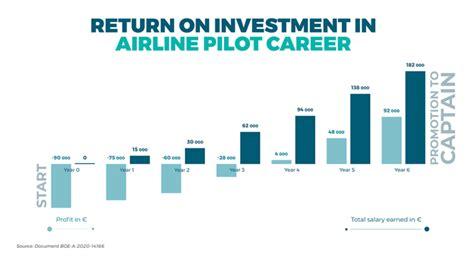
Pilot pay is governed by structured contracts, meaning income rises predictably with each year of service. Promotions—especially the jump from first officer to captain—represent the single biggest leap in earnings.
Interestingly, there is no guaranteed “faster” path between cargo and passenger aviation. Some pilots upgrade quickly due to airline expansion, while others wait years depending on retirements and fleet growth.
In practical terms, mid-career earnings between the two sectors are nearly identical at major airlines. The difference comes down to timing and opportunity—not the type of flying.
Senior-Level Compensation: Where the Biggest Paychecks Live
At the top of the profession, pilot salaries reach levels that rival executives in other industries. This is where subtle differences between cargo and passenger aviation become more visible.
Passenger airline captains—especially those flying widebody aircraft on international routes—can earn over $500,000 annually at the highest levels. Even average senior captains frequently exceed $350,000 per year, making them some of the highest-paid professionals in transportation.
Cargo pilots are not far behind. Senior captains at companies like UPS Airlines can earn more than $450,000, with average earnings around $300,000 to $310,000 annually.

The gap exists—but it’s narrower than many expect.
Passenger pilots tend to have a slightly higher ceiling due to long-haul international operations, premium routes, and larger aircraft utilization. However, cargo pilots often benefit from consistent demand, stable schedules, and strong contract protections, which can make their overall compensation equally attractive.
And here’s the twist: base salary isn’t the whole story.
Beyond Salary: Bonuses, Benefits, and Hidden Income Streams
A pilot’s true income extends well beyond their paycheck. Both cargo and passenger pilots operate under hourly pay systems, where earnings depend on flight hours, route bidding, and contract rules.
Passenger airline pilots enjoy a range of additional benefits, including:
- Free or heavily discounted travel for themselves and family members
- Comprehensive health insurance
- Generous retirement contributions
- Paid leave and scheduling flexibility
Cargo pilots receive similarly strong financial benefits, often with retirement contributions reaching 15% to 18% of salary—a significant addition that can translate into tens of thousands of dollars annually.
However, cargo pilots typically lack one major perk: passenger travel privileges. No free vacations across the globe—but also no dealing with passengers at 35,000 feet. Fair trade? Many pilots think so.

Another overlooked factor is premium pay. Pilots can increase their income by:
- Picking up extra flights
- Flying during holidays
- Taking less desirable schedules
For senior pilots, these opportunities can push total compensation well beyond base salary, sometimes by a substantial margin.
Lifestyle vs Income: The Hidden Trade-Off in Pilot Careers
Money matters—but lifestyle often matters more.
Cargo pilots frequently operate overnight flights, transporting goods while the world sleeps. This results in more predictable schedules and fewer disruptions from passenger-related issues.
Passenger airline pilots, on the other hand, deal with dynamic schedules, time zone shifts, and customer-facing responsibilities. While the job can be more socially engaging, it also comes with added complexity.
This creates an interesting dynamic:
Passenger pilots may earn slightly more at the top—but cargo pilots often enjoy greater schedule consistency.
In other words, the “better” job depends on what you value more: maximum income or maximum predictability.
Long-Term Outlook: Why Both Career Paths Are Becoming More Lucrative
The aviation industry is currently experiencing a powerful shift. A combination of pilot shortages, rising global demand, and mass retirements has pushed salaries upward across the board.
Cargo aviation, fueled by global e-commerce and logistics growth, continues to expand steadily. Meanwhile, passenger travel remains a cornerstone of the global economy, driving ongoing demand for skilled pilots.
Companies like FedEx Express and UPS Airlines have increased compensation packages to remain competitive, narrowing the gap between cargo and passenger earnings.

The result? A convergence of salaries across both sectors.
Historically, passenger pilots had a clear financial advantage. Today, that advantage is shrinking—and in some cases, disappearing entirely.
The Real Verdict: Cargo vs Passenger Pilot Salaries
After analyzing every stage of a pilot’s career, one conclusion stands out clearly:
There is no dramatic financial winner between cargo pilots and passenger airline pilots.
- Entry-level salaries are comparable at major airlines
- Mid-career earnings are nearly identical
- Senior-level pay slightly favors passenger pilots, but not by a wide margin
What truly separates these careers is not money—but timing, seniority, and personal preference.
A pilot who upgrades quickly at a cargo airline may out-earn a passenger pilot stuck waiting for promotion. Conversely, a widebody captain at a major passenger airline may reach the highest salary ceiling in the industry.
The variables are dynamic. The opportunities are real. And the earning potential in both paths is undeniably elite.
So if the question is purely financial, the answer is surprisingly simple:
Both cargo and passenger pilots can earn extraordinary incomes—often exceeding $300,000 per year—with top performers reaching half a million or more.
The smarter question isn’t “Which pays more?”
It’s “Which career fits the life you want to live?”