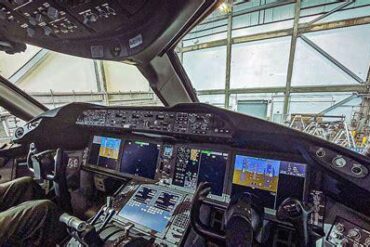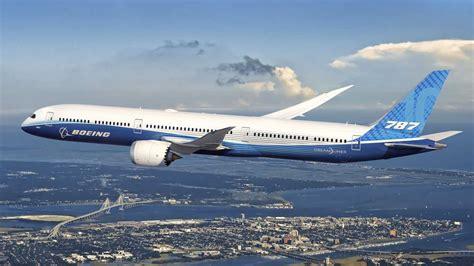
The phrase “Dreamliner money” is no longer industry slang—it has become a measurable reality in 2026. Across the United States, senior pilots commanding the Boeing 787 Dreamliner are earning compensation packages that rival top-tier corporate executives. Yet, the headline figures—often exceeding $500,000 annually—only tell part of the story. The real insight lies in understanding why the Dreamliner commands such a premium, who actually earns these salaries, and how airline structure determines financial outcomes.
The modern airline pilot compensation model has evolved into a system where aircraft type, seniority, and airline selection determine earnings more than raw flight skill alone. A pilot flying the same Boeing 787 can earn drastically different pay depending on whether they sit in the cockpit of United Airlines, American Airlines, or a lower-paying carrier. This reality creates a sharp divide in aviation income—one where the Dreamliner becomes both a symbol of prestige and a gateway to financial elite status.
Unlike traditional salaried professions, airline pilots operate within a highly structured pay environment driven by union contracts, hourly rates, and credit hours. That structure is precisely what allows Dreamliner pilots at top-tier airlines to accumulate extraordinary earnings, especially when combined with long-haul international routes and premium pay incentives.
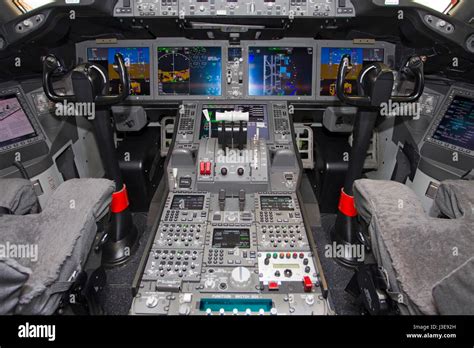
How Airline Pilot Pay Actually Works in 2026
To understand why the Boeing 787 pays so well, it’s essential to unpack the mechanics behind airline compensation. Pilots are not paid annual salaries in the traditional sense. Instead, they earn income based on hourly rates tied to flight time, calculated through contractual agreements negotiated by powerful pilot unions.
Most major U.S. airlines guarantee between 70 and 85 credit hours per month, with 75 hours serving as a common benchmark. Over a year, that translates to roughly 900 to 1,000 flight hours, forming the foundation of a pilot’s base income.
Here’s where the system becomes financially strategic:
- Pilots are paid only from pushback to gate arrival
- Pre-flight duties, boarding, and planning are generally unpaid
- Longer flights generate more credited hours per trip
This structure heavily favors long-haul widebody operations, where a single international flight can generate significant credited time. As a result, pilots actively pursue aircraft like the Boeing 787, where fewer flights can yield higher total compensation.
The difference between positions is equally dramatic. A captain can earn 50% to 200% more than a first officer, particularly on widebody fleets. This gap turns the upgrade to captain—especially on a Dreamliner—into one of the most financially transformative milestones in aviation.
Why the Boeing 787 Commands Premium Pay
The Boeing 787 Dreamliner sits near the top of the global aviation pay hierarchy, not by accident but by design. Airlines assign their most experienced crews to aircraft operating long-haul international routes, often requiring advanced certifications such as ETOPS (Extended-range Twin-engine Operational Performance Standards).
These flights introduce layers of complexity:
- Ultra-long distances across oceans
- Augmented crews for extended duty periods
- International regulatory compliance
- High-value passengers and cargo
All of these factors justify significantly higher pay rates.
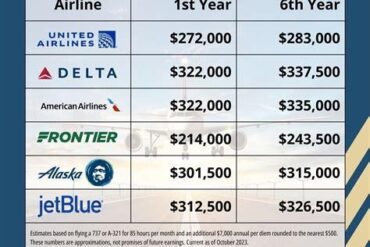
In 2026, senior widebody captains at major U.S. airlines routinely earn $400 to $500+ per hour. When multiplied across annual credit hours, base salaries alone can reach $400,000 to $550,000. But base pay is just the beginning.
Additional income streams include:
- Tax-free per diem: Typically $2–$3 per hour while away from base
- Profit sharing: Varies based on airline performance
- 401(k) contributions: Often 16%–18% employer-funded
These elements can add tens of thousands—or even six figures—to total compensation, pushing top earners well beyond half a million dollars annually.
Equally important is lifestyle. Dreamliner schedules often involve fewer flight segments, longer layovers, and more predictable rotations, creating a rare combination of high income and improved quality of life.
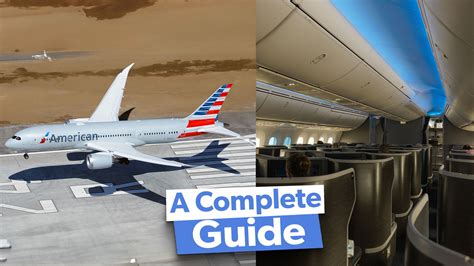
American Airlines: Dreamliner Earnings Approach $430,000+
At American Airlines, the Boeing 787 represents one of the most lucrative positions a pilot can hold. Even at the entry level for captains, compensation is striking.
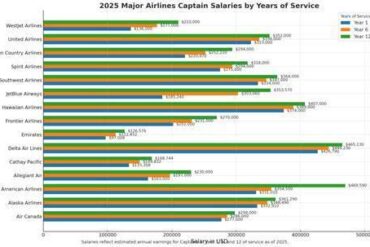
A first-year Boeing 787 captain earns approximately $410.37 per hour, translating to nearly $394,000 annually under a standard schedule. As seniority increases, so does the pay scale.
By year twelve:
- Hourly rate rises to $447.24
- Annual base salary reaches approximately $429,350
These figures exclude additional earnings such as per diem, overtime, and retirement contributions, which can significantly elevate total income.
The contrast between roles is equally telling. A first officer on the same aircraft starts around $116 per hour, earning roughly $111,000 annually, but can climb to nearly $293,000 with experience.
This disparity reinforces a central truth in aviation: seniority is everything. Two pilots in the same cockpit can have vastly different incomes based solely on their position and years of service.
United Airlines Sets the Gold Standard for Dreamliner Pay
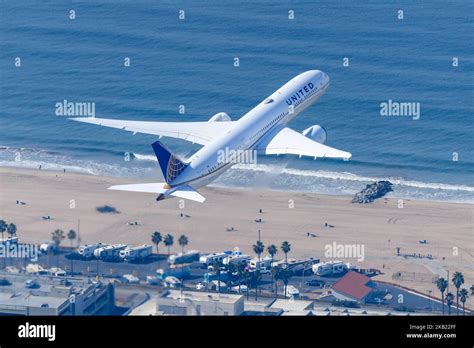
If American Airlines offers impressive compensation, United Airlines pushes the ceiling even higher. In 2026, United’s pilot contracts represent some of the most lucrative agreements in aviation history.
A year-12 Boeing 787 captain at United earns approximately:
- $465.13 per hour
- Around $558,000 annually
A scheduled pay increase is expected to push that figure close to $598,000, further widening the gap between top-tier airlines and the rest of the industry.
United’s retirement contributions amplify the financial impact. With 18% employer contributions to 401(k) plans, a captain earning over half a million dollars could receive $90,000+ annually in retirement funding alone.
This transforms the Dreamliner captain role into something far beyond a high-paying job—it becomes a long-term wealth-building engine.
Delta Air Lines and the Widebody Pay Benchmark
While Delta Air Lines does not yet operate the Boeing 787 extensively, its Airbus A350 pay structure offers a near-identical benchmark for widebody compensation.
Delta’s pay scales reveal the structural premium attached to long-haul aircraft:
- A year-one A350 captain earns over $300 per hour
- A Boeing 737 captain earns closer to $240 per hour
This gap highlights how airlines value international operations over domestic flying, even when pilot experience levels are comparable.
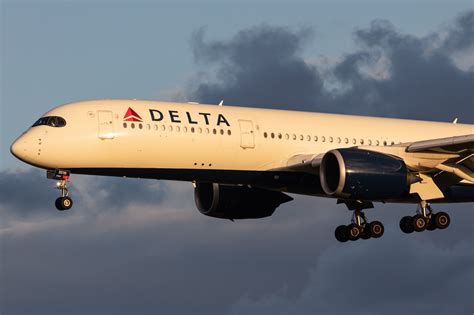
Top Delta captains can earn around $400,000 annually, keeping the airline competitive with American and United. The consistency across these carriers underscores a broader industry trend: widebody flying equals premium pay.
The Massive Salary Gap Between the US and Europe
The financial dominance of U.S. airlines becomes even more apparent when compared globally. A senior widebody captain in the United States can earn $400,000 to $550,000+ annually, while European counterparts operate at significantly lower levels.
For example:
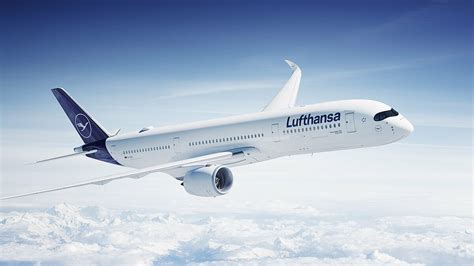
- Lufthansa A350 captains: approximately €250,000 annually
- Air France and British Airways: Similar ranges
After taxes and cost-of-living adjustments, the gap widens further.
Several factors explain this disparity:
- Stronger pilot unions in the U.S.
- Higher airline profitability driven by a massive domestic market
- Aggressive profit-sharing and retirement structures
The result is a compensation ecosystem where U.S.-based Dreamliner pilots operate in a completely different financial tier.
Not Every Dreamliner Pilot Earns “Dreamliner Money”
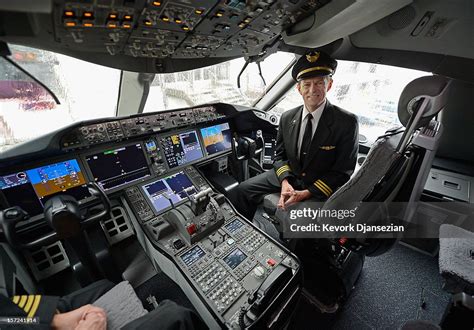
Here’s the part that tends to get glossed over: most Boeing 787 pilots are not earning half a million dollars. The term “Dreamliner pilot” covers a wide spectrum of experience levels and employers.
Average salary data paints a more modest picture:
- Typical widebody pilot salary: approximately $135,000 annually
- Majority range: $108,000 to $129,000
- Top 10%: Around $200,000+
Why the discrepancy? Because:
- Entry-level first officers earn far less
- Lower-tier airlines offer reduced pay scales
- Seniority progression takes years—often decades
Even within major airlines, a newly upgraded first officer on a Dreamliner will earn only a fraction of what a senior captain earns.
This creates a career ladder with extreme financial gradients, where patience and strategic career decisions directly influence lifetime earnings.
Why Seniority and Airline Choice Define Everything
Aviation careers reward longevity in a way few industries do. The difference between joining a legacy carrier early versus later can translate into millions of dollars over a career.
Pilots do not simply apply for Dreamliner roles—they bid for them based on seniority. This means:
- The most experienced pilots choose first
- Junior pilots wait years for widebody assignments
- Upgrades to captain depend on fleet demand and retirements
The Boeing 787 becomes the ultimate destination, but reaching it requires navigating a highly competitive and time-dependent system.
The Dreamliner as Aviation’s Executive Office
At its highest level, flying the Boeing 787 is no longer just a job—it’s the aviation equivalent of occupying a corner office in a global corporation. The combination of advanced technology, long-haul prestige, and elite compensation places Dreamliner captains in a category few professions can match.
They operate cutting-edge aircraft across continents, manage complex international operations, and earn compensation packages that rival top executives—all while working fewer flight segments than their narrowbody counterparts.
Yet, the exclusivity remains intact. Only a fraction of pilots ever reach this level, and even fewer do so at airlines offering top-tier pay.
Conclusion: Dreamliner Pay Is Real—But Highly Selective
The promise of “Dreamliner money” in 2026 is not exaggerated—but it is highly conditional. The Boeing 787 has become one of the most financially rewarding aircraft assignments in commercial aviation, offering extraordinary earnings potential for those who reach the top of the seniority ladder at the right airline.
For pilots navigating their careers, the takeaway is clear: airline choice, timing, and persistence matter as much as skill. The Dreamliner represents the pinnacle of both aviation technology and pilot compensation—but only for those positioned to claim it.
In the end, the Boeing 787 is more than an aircraft. It is a financial milestone, a career destination, and a symbol of aviation’s highest earning potential.