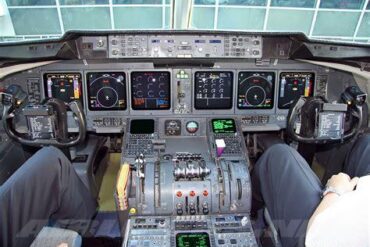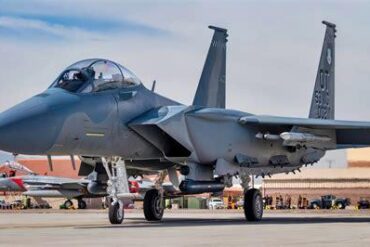
In 2026, the American aviation industry is witnessing one of the most unusual compensation structures in modern labor economics. Thousands of pilots are simultaneously serving two masters: the United States military and commercial airlines. These aviators fly Boeing and Airbus aircraft for major carriers during the week while continuing to wear the uniform of the Air National Guard or Air Force Reserve on drill weekends, deployments, and training assignments. The result is a highly lucrative hybrid career model that blends military benefits, airline compensation, retirement advantages, and job security into one of the most financially rewarding professions in aviation.
What once seemed like an inconvenient scheduling conflict for airlines has transformed into a strategic necessity. Faced with an ongoing pilot shortage and escalating competition for experienced captains, airlines are now actively accommodating military service obligations. Hybrid compensation systems, military leave protections, and differential pay programs have become essential recruiting tools as airlines fight to secure highly trained aviators.
The modern Guard and Reserve pilot no longer has to choose between patriotic service and financial success. In many cases, they can achieve both simultaneously while maintaining long-term career flexibility that few professions can match.
The financial implications are staggering. Senior airline captains serving in the Reserve or Air National Guard can combine six-figure airline salaries with military income, retirement accrual, tax advantages, healthcare benefits, and deployment protections that significantly enhance their total compensation package.
By 2026, this dual-track aviation lifestyle has become one of the defining career paths in American aerospace.
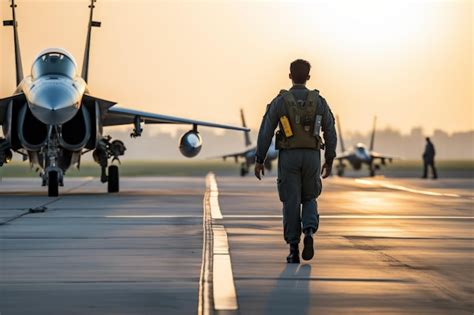
The Rise Of The Hybrid Pilot Career In America
The relationship between the military and commercial aviation industry has always been deeply intertwined. For decades, the US military acted as the primary training ground for airline pilots. Following conflicts such as Vietnam, commercial airlines enjoyed a near-endless pipeline of combat-tested aviators transitioning into civilian flying careers.
Back then, airlines had little incentive to offer special accommodations to pilots wishing to remain in military service. If a pilot needed time away for Reserve obligations, airlines often viewed it as an operational inconvenience. The philosophy was brutally simple: if one pilot left, another qualified military aviator was waiting in line to take the seat.
That reality no longer exists.
In 2026, the United States faces an enduring pilot shortage that continues to pressure airline operations across every level of the industry. Mandatory retirements, surging passenger demand, fleet growth, and reduced military pilot retention have collectively created a staffing crisis that airlines cannot solve quickly.
Training civilian pilots from scratch is enormously expensive and time-consuming. It can take years before a new civilian pilot accumulates the experience required to command a major airline aircraft. Military pilots, however, arrive with advanced flight discipline, operational decision-making skills, leadership experience, and thousands of flight hours in highly demanding environments.
As a result, Guard and Reserve pilots have become some of the most sought-after professionals in aviation.
Airlines now see military-affiliated pilots as premium assets rather than scheduling complications. These aviators bring immediate operational credibility and often progress rapidly into captain roles, which are desperately needed throughout the industry.
The financial incentives supporting this shift have expanded dramatically. Differential pay systems, military leave benefits, and seniority protections are no longer fringe perks. They are now central pillars of airline recruitment strategies.
Understanding Military Leave Differential Pay In 2026
One of the most important components of the dual-salary structure is hybrid compensation, commonly referred to as military leave differential pay.
When a commercial airline pilot is activated for military duty, the airline temporarily removes them from flight schedules. During this period, the pilot receives military compensation from the Department of Defense instead of normal airline pay.
However, because military compensation is often lower than what an experienced airline pilot would earn commercially, many airlines bridge part of the gap through supplemental payments.
This system ensures pilots are not financially punished for military service.
The process itself is highly structured. Once a pilot receives official military orders for deployment, training, or extended active duty, they submit those orders to the airline’s human resources and military leave office. This activates several protections simultaneously:
- Continued seniority accrual
- Reemployment rights
- Schedule protection
- Differential pay calculations
- Retirement continuity in some benefit structures
The pilot then transitions fully onto military pay status during the assignment period. Upon returning, the airline reviews the military Leave and Earnings Statements to calculate how much differential compensation is owed.
Depending on rank, airline position, and duration of military leave, supplemental compensation can range from approximately $15,000 to more than $40,000 annually.
For widebody captains at major carriers, the gap can become even larger.
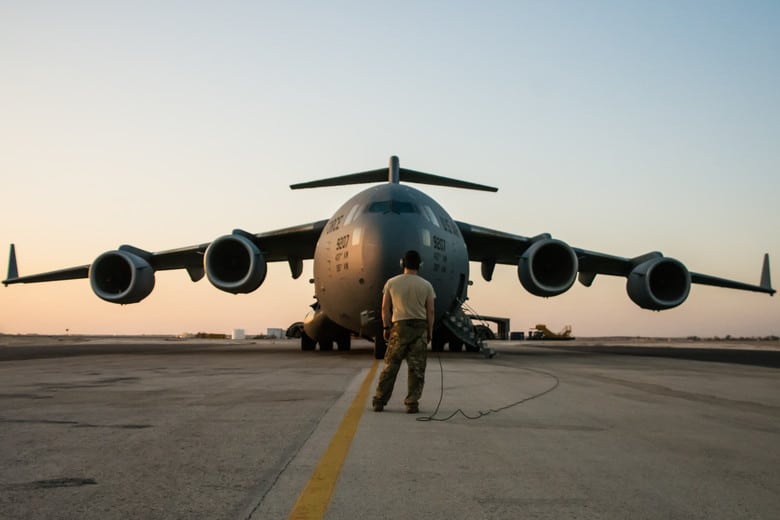
Why Airlines Support Military Service More Than Ever
The economics behind these policies are surprisingly practical.
Airlines are not merely supporting military service out of patriotic obligation. They are protecting their own operational future.
Major airlines have discovered that Guard and Reserve pilots represent one of the fastest and most efficient pathways toward staffing experienced captain positions. Since the federal government already finances military pilot training, airlines effectively gain access to exceptionally skilled aviators without absorbing the entire training burden themselves.
Training a single airline pilot through the civilian pipeline can cost hundreds of thousands of dollars before that pilot becomes truly profitable for the carrier. Military aviators arrive with advanced instrument experience, multi-engine qualifications, leadership backgrounds, and operational maturity that civilian programs often take years to develop.
This is particularly valuable in widebody international operations where captain shortages remain severe.
Even while on military leave, pilots typically continue advancing on airline seniority lists. That detail is critically important because seniority determines nearly everything in an airline pilot’s life, including:
- Aircraft assignments
- Route bidding
- Vacation schedules
- Monthly schedules
- Promotion opportunities
- Earnings potential
Without seniority protection, military service could severely damage a pilot’s airline career trajectory. Instead, federal protections ensure these pilots maintain long-term advancement opportunities while continuing to serve.
The result is a mutually beneficial arrangement. Airlines retain highly skilled aviators, while military branches preserve experienced aircrew members who might otherwise leave service entirely.
The Massive Pay Gap Between Military Flying And Airlines
Although military pilots receive respectable compensation, the earning ceiling in commercial aviation is vastly higher.
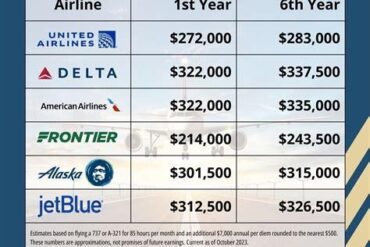
In 2026, airline salaries at major US carriers continue climbing aggressively as competition for pilots intensifies. Senior captains flying long-haul international routes for legacy airlines now routinely earn compensation packages exceeding half a million dollars annually before bonuses and retirement contributions.
The disparity becomes especially noticeable at the upper levels of experience.
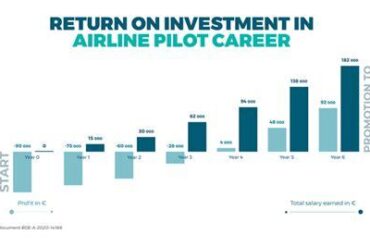
| Career Stage | Military Compensation | Major Airline Compensation |
|---|---|---|
| New Hire Pilot | $75,000 – $95,000 | $106,000 – $120,000 |
| Mid-Career Pilot | $120,000 – $155,000 | $250,000 – $350,000 |
| Senior Pilot | $150,000 – $200,000+ | $400,000 – $550,000+ |
For many aviators, the commercial sector offers levels of wealth accumulation that military service alone simply cannot match.
Large retirement contributions further widen the gap. Some airlines contribute as much as 17–18% directly into pilot retirement accounts regardless of employee contributions. Over a multi-decade career, this can generate millions in additional retirement value.
Regional airlines have also significantly increased compensation in response to staffing shortages. First-year regional First Officers now frequently earn between $90,000 and $120,000 annually, while aggressive sign-on bonuses can exceed six figures in specialized hiring programs.
These escalating salaries explain why many military aviators eventually transition toward airlines while maintaining part-time military affiliations through Guard or Reserve service.
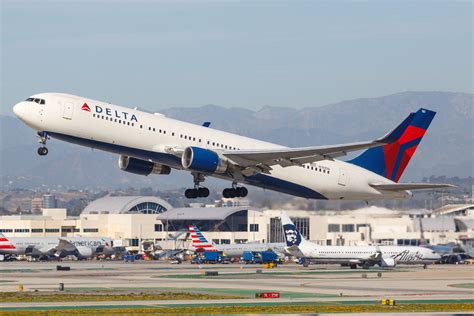
Why Pilots Refuse To Leave The Military Cockpit
Despite the extraordinary earning power available in commercial aviation, countless pilots continue serving in the military long after achieving financial stability.
The reason is rarely financial alone.
Military flying offers something airlines fundamentally cannot replicate: mission intensity, tactical complexity, and emotional purpose.
Airline operations, while highly professional, are often heavily automated and repetitive. Pilots routinely fly standardized routes between major hubs under tightly controlled operational environments. For many former fighter, tanker, or airlift pilots, the transition can feel emotionally sterile compared to military operations.
In the military cockpit, aviators face dynamic tactical situations requiring constant decision-making under pressure. Missions may involve aerial refueling, formation flying, low-level navigation, combat support, strategic airlift, or rapid deployment operations.
That environment creates a psychological attachment that many pilots struggle to abandon entirely.
The Guard and Reserve structure allows aviators to preserve both worlds simultaneously.
During the week, they benefit from airline salaries, predictable schedules, and family stability. During military duty periods, they return to tactical aviation environments that maintain their passion for flying and service.
For many pilots, this hybrid arrangement represents the ideal balance between professional fulfillment and financial prosperity.
Federal Protections That Safeguard Pilot Careers
The entire dual-salary model depends heavily on legal protections established under federal law.
The Uniformed Services Employment and Reemployment Rights Act, commonly known as USERRA, guarantees military personnel the right to return to civilian employment after military service obligations.
For airline pilots, this protection is essential.
Under current regulations, a pilot can generally accumulate up to five years of protected military absence with a single employer. During that period, the airline must preserve reemployment rights provided the pilot complies with reporting timelines after military duty concludes.
For service periods exceeding 180 days, pilots typically must notify employers or apply for reemployment within 90 days after completing military duty.
These protections ensure Guard and Reserve pilots can continue serving without sacrificing long-term airline career stability.
Importantly, seniority progression often continues during protected absences. This means pilots do not lose career momentum simply because they answer military deployment orders.
Without these safeguards, many experienced aviators would likely leave military service permanently once hired by commercial carriers.
The Financial Power Of Airline Seniority
Seniority is arguably the single most important economic factor in an airline pilot’s career.
Unlike many industries where pay is tied mainly to performance reviews or managerial discretion, airline compensation is governed heavily by seniority systems negotiated through labor contracts.
Every year a pilot remains employed increases bidding power, route selection flexibility, aircraft access, and income potential.
This creates enormous long-term value for Guard and Reserve pilots whose seniority continues accruing during military leave periods.
A pilot deployed overseas for several months may still return to find themselves closer to a captain upgrade, better schedules, or widebody assignments that dramatically increase earnings.
Because captain shortages remain particularly severe industry-wide, preserving these advancement pathways benefits airlines as much as pilots themselves.
Commercial aviation cannot afford to lose experienced aviators at the top end of the seniority ladder.
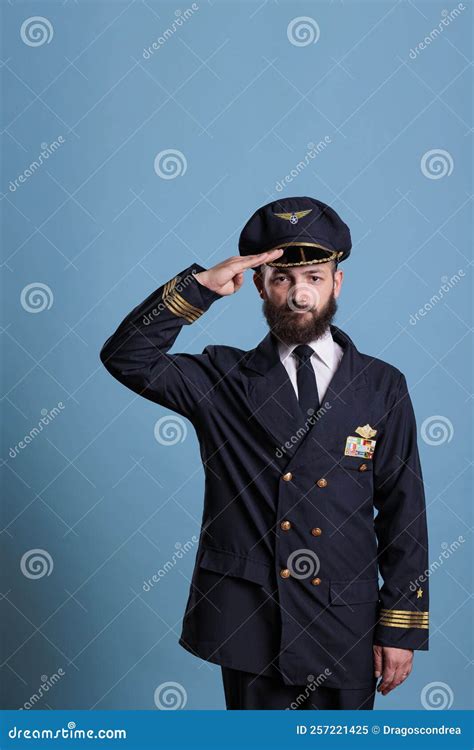
The Military Pipeline Into Commercial Aviation
Becoming a military pilot remains one of the most rigorous pathways into commercial aviation.
Candidates typically enter through Reserve Officer Training Corps programs, military academies, or Officer Candidate School before competing for highly selective pilot training slots.
Undergraduate Pilot Training introduces students to advanced aviation fundamentals before specialized training in fighters, bombers, tankers, cargo aircraft, or helicopters.
The process is demanding both mentally and physically. Washout rates remain significant, and candidates failing flight standards may be reassigned into non-flying military occupations.
Those who complete training incur lengthy service commitments that commonly approach a decade after earning their wings.
Yet despite these obligations, the pathway continues attracting aspiring aviators because the military provides elite-level flight training that would otherwise cost enormous sums privately.
Military pilots accumulate extensive experience operating under pressure, handling emergencies, and managing sophisticated aircraft systems in highly dynamic environments.
When transitioning into civilian aviation, this experience becomes immensely valuable.
The Federal Aviation Administration recognizes much of this military flying time toward civilian licensing requirements, streamlining the transition into airline careers. Fixed-wing military pilots can often obtain commercial certifications with significantly reduced testing burdens compared to civilian trainees.
Several airlines now maintain dedicated military transition programs aimed specifically at recruiting separating military aviators.
These programs provide mentorship, interview preparation, conditional job offers, and specialized pathways helping military pilots integrate smoothly into civilian airline operations.
Why The Dual-Salary System Will Continue Expanding
Every major indicator suggests the hybrid airline-military pilot model will continue growing throughout the late 2020s.
Airlines still face structural pilot shortages that cannot be solved overnight. Mandatory retirements continue draining senior captain ranks while aircraft deliveries increase across multiple carriers.
At the same time, the US military faces its own retention challenges. Many pilots leave active duty for airline careers due to dramatically higher earning potential and improved lifestyle stability.
The Guard and Reserve system increasingly acts as the compromise solution benefiting both sectors simultaneously.
Military branches retain experienced aviators without bearing the full burden of active-duty retention costs. Airlines gain access to exceptionally trained professionals already accustomed to high-performance aviation environments.
Pilots themselves enjoy perhaps the greatest advantage of all: the ability to earn elite commercial salaries while continuing to fly meaningful military missions.
In 2026, few professions offer a comparable blend of patriotism, financial security, career flexibility, and aviation prestige.
The dual-salary pilot has become one of the defining symbols of modern American aerospace — equally comfortable flying international passengers across oceans and answering the nation’s call when duty demands it.