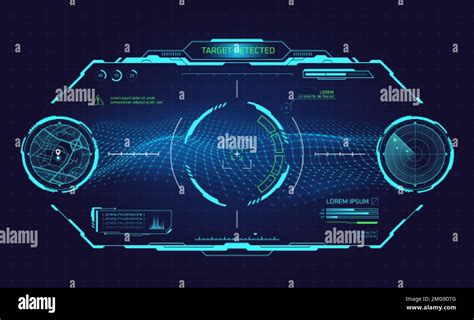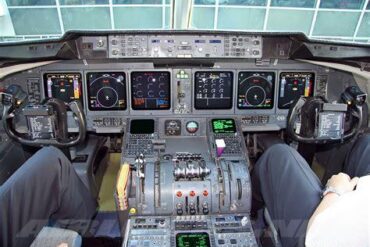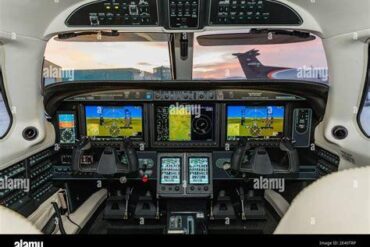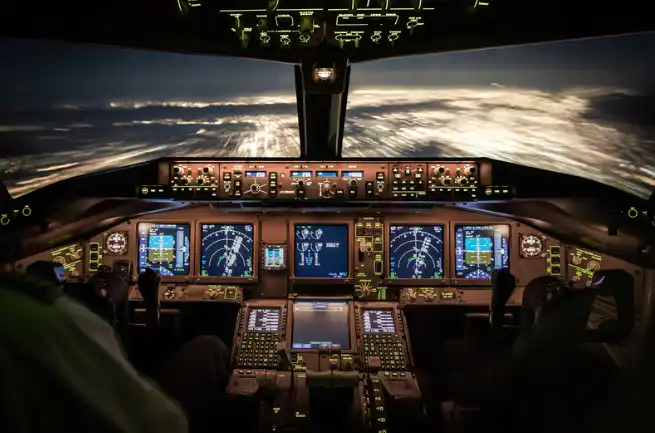
In the evolution of modern aviation, the glass cockpit represents one of the most transformative shifts in aircraft design and avionics philosophy. By replacing analog gauges—commonly known as “steam gauges”—with integrated electronic displays, the glass cockpit has dramatically reshaped how pilots interact with flight data, improved safety, and reduced crew workload. These advancements are not only reshaping large commercial aircraft but are now standard even in light general aviation and unmanned aerial systems.
From a systems architecture perspective, a glass cockpit integrates real-time data from an array of sophisticated sensors—electronic attitude and heading reference systems (AHRS), air data computers (ADCs), GPS units, and more—onto large, color LCD screens. These displays are typically organized into Primary Flight Displays (PFDs) and Multi-Function Displays (MFDs), allowing pilots to view attitude, navigation, engine parameters, traffic, terrain, and weather on consolidated screens.
The simplification offered by glass cockpits goes beyond visual design. Their capacity to present only pertinent, context-aware information in a dynamic format means pilots can make quicker, more informed decisions. This selective data presentation also mitigates cognitive overload during high-stress scenarios, enhancing situational awareness.
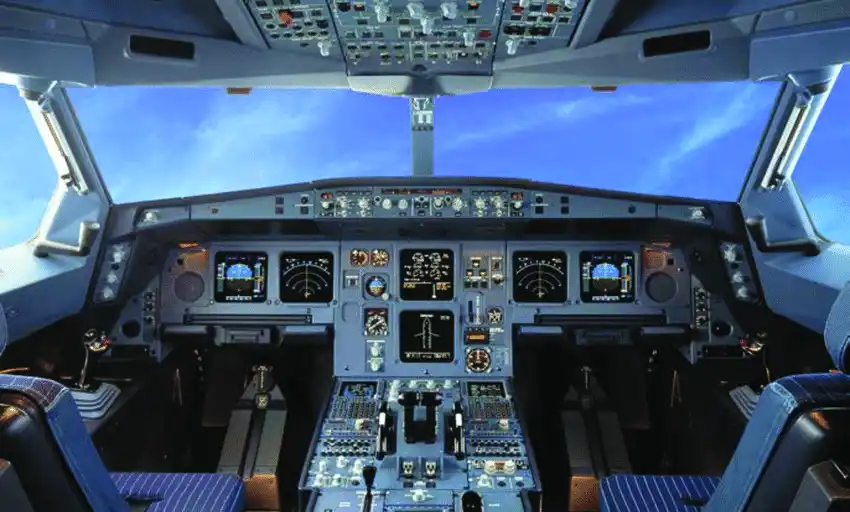
The Transition from Analog to Digital Avionics
The journey of the glass cockpit began with limited integration in the early 1980s. Aircraft such as the McDonnell Douglas MD-80, Boeing 737 Classic, ATR 42/72, and Airbus A310/A300-600 introduced rudimentary electronic flight instrument systems (EFIS). These early implementations retained mechanical instruments for airspeed, altitude, and engine readings. The digital displays handled only attitude and navigation, offering a hybrid cockpit environment that eased the industry into the new paradigm.
The Boeing 757 and 767-200/-300 extended this philosophy by incorporating an Engine Indicating and Crew Alerting System (EICAS), which helped centralize engine and status indications. However, even in these advanced aircraft, analog gauges remained as a safety net—a reflection of both technological limitations and regulatory caution.
As technology matured, newer aircraft such as the Boeing 737 Next Generation (NG), 747-400, 767-400, and 777, as well as the Airbus A320 and its successors, began to eliminate mechanical gauges entirely. These models replaced standalone warning lights and analog systems with fully digital flight decks, creating seamless integration between avionics, sensors, and display technologies.
The Military Origins and Technological Drivers
Though glass cockpits are now synonymous with commercial aviation, their origin lies in military aerospace development during the late 1960s and early 1970s. One of the earliest examples, the General Dynamics F-111D, featured the Mark II avionics suite—a primitive form of integrated CRT-based display systems. These early systems aimed to help pilots manage increasing combat aircraft complexity in radar-dense, high-speed environments.
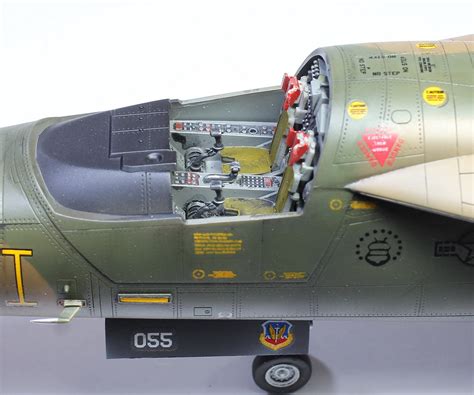
NASA’s avionics research during the 1980s further bolstered glass cockpit development, focusing on enhanced situational awareness and pilot workload reduction. Demonstrations during test flights provided compelling evidence of improved safety and efficiency. Despite the cancellation of the Boeing 2707 supersonic transport project in 1971, its plans for CRT-driven glass displays foreshadowed a future that would become reality two decades later.
By the late 1990s, breakthroughs in LCD clarity, refresh rates, and sunlight readability allowed manufacturers to transition away from bulky CRTs. This marked the widespread adoption of glass cockpits in commercial and private aviation alike.
Glass Cockpits in Commercial and General Aviation
Today, glass cockpit technology is pervasive across nearly all categories of flight, from jumbo jets to recreational light sport aircraft. Modern airliners such as the Airbus A350, Boeing 787 Dreamliner, and Embraer E2 families feature panoramic displays, integrated avionics suites, and touchscreen controls. These systems enable complex functionalities like synthetic vision, automatic checklists, vertical navigation, and real-time diagnostics.
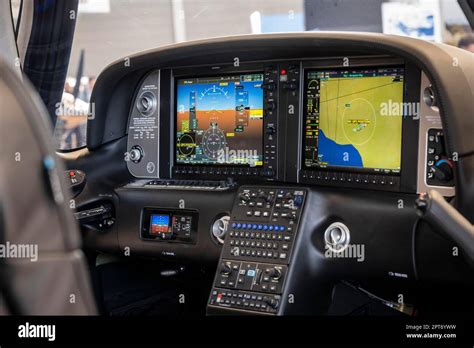
In the realm of general aviation, platforms like the Garmin G1000 and Dynon SkyView dominate the glass cockpit landscape. Installed in aircraft ranging from the Cessna 172 to the Beechcraft King Air, these systems provide highly detailed terrain awareness, weather overlays, ADS-B traffic alerts, and engine monitoring. Retrofits have also enabled older aircraft to benefit from modern safety and situational awareness improvements.
The Cirrus SR20 and SR22, known for pioneering integrated safety systems like the Cirrus Airframe Parachute System (CAPS), have featured glass cockpits as standard since 2003. This early adoption helped normalize digital displays in personal aviation.
Touchscreen Interfaces and the Rise of Smart Avionics
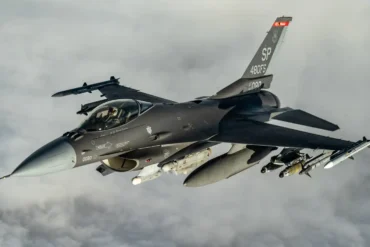
As user interface paradigms have evolved, touchscreen-based glass cockpits have emerged. Aircraft such as the Cirrus Vision SF50, Pipistrel Panthera, and even the F-35 Lightning II feature touch-responsive panoramic displays, replacing many physical switches with software-defined controls.
Moreover, tablet-based flight decks are increasingly common in recreational aviation and unmanned vehicles. Applications like ForeFlight and Avare, running on consumer iPads or Android tablets, replicate glass cockpit features including moving maps, synthetic vision, and ADS-B weather overlays. This trend highlights the convergence of commercial off-the-shelf (COTS) hardware with high-performance avionics functionality.
Glass Cockpits in Spaceflight
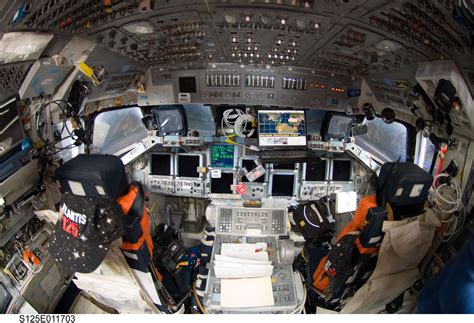
The versatility and reliability of glass cockpit systems have extended their reach into spacecraft avionics. NASA integrated glass displays into several Space Shuttle orbiters, beginning with Atlantis during the STS-101 mission in 2000. These upgrades replaced electromechanical indicators with multifunction flat panels capable of displaying telemetry, attitude, and system status.
Subsequent missions aboard Columbia (STS-109, 2002), Discovery (STS-114, 2005), and Endeavour (STS-118, 2007) continued the trend. The Russian Soyuz TMA variant also incorporated digital displays starting in 2002. Looking ahead, the Orion spacecraft—designed for deep space exploration—will include an advanced touchscreen glass cockpit informed by decades of Earth-orbit operations.
Safety Considerations and Training Challenges
Despite their benefits, glass cockpits demand rigorous training and operational discipline. The 2008 incident involving United Airlines Flight 731, in which all displays failed due to electrical malfunction, underscored the importance of maintaining independent standby instruments. The crew was able to land safely using traditional backup tools.
Similarly, over fifty display outages in Airbus A320s have been reported, though most were resolved without incident. These failures highlight a critical vulnerability: the reliance on centralized data pathways and power sources. If not properly isolated and backed up, a failure in one subsystem can cascade across multiple displays.
A 2010 National Transportation Safety Board (NTSB) study analyzing over 8,000 light aircraft accidents found that glass cockpit-equipped aircraft exhibited lower overall accident rates. However, the same aircraft had higher fatality rates in incidents, primarily due to lack of pilot proficiency with digital systems. Training must therefore emphasize not just buttonology, but scenario-based exercises that challenge a pilot’s understanding of system architecture and failure modes.
The Future of Glass Cockpits
As the aerospace industry continues to prioritize automation, data integration, and pilot support, glass cockpits will evolve in parallel. The incorporation of artificial intelligence, predictive analytics, and augmented reality overlays promises to further extend the capabilities of digital flight decks. Pilots may eventually become mission managers—overseeing automated systems rather than directly controlling every parameter.
In this unfolding future, the glass cockpit will remain central—not just as a set of screens, but as a dynamic interface between human and machine, enabling safer, more efficient, and more intuitive flight.