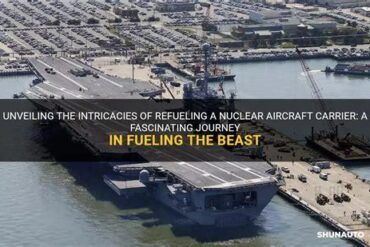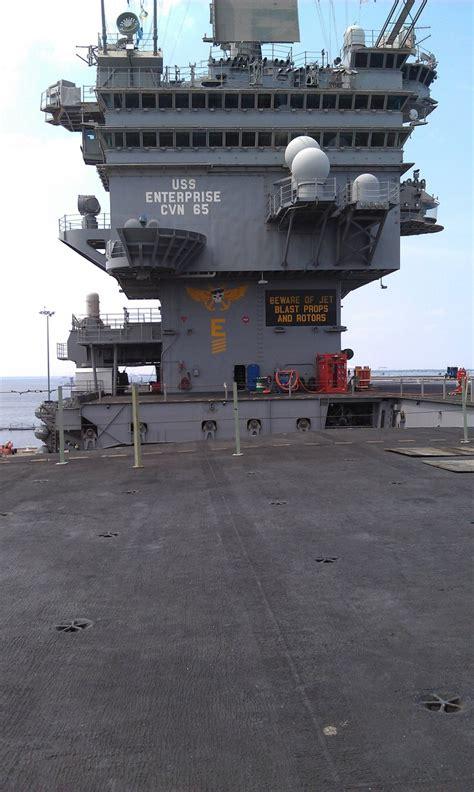
Modern aircraft carriers are among the most sophisticated engineering achievements ever built. While their immense flight decks may resemble the asphalt or concrete runways found at civilian airports, the reality is far more impressive. Every modern carrier relies on high-strength naval steel combined with specialized protective coatings that allow the deck to survive relentless punishment from high-performance military aircraft, harsh ocean environments, and even combat damage. This combination transforms the flight deck into far more than a landing strip—it becomes an integral structural component of the warship itself.
Unlike land-based airports, a carrier’s runway constantly moves with the ocean. It twists under heavy seas, experiences dramatic temperature changes, and absorbs repeated impacts from aircraft weighing tens of tons. Every landing delivers enormous forces through arresting cables, while every launch subjects the deck to explosive catapult loads and scorching engine exhaust. Ordinary paving materials would crack, soften, or fail under these conditions within a short period.
Instead, naval engineers design the flight deck as part of the ship’s armored skeleton. The result is a surface capable of supporting decades of continuous operations while maintaining the strength required to protect the vessel below.
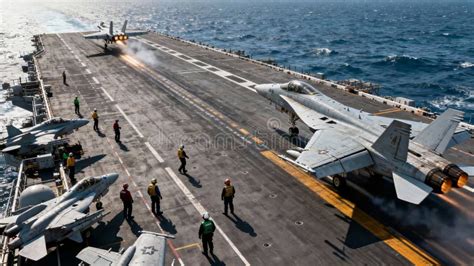
Why Aircraft Carrier Flight Decks Are Built from Naval-Grade Steel
The defining material of every modern carrier flight deck is naval-grade high-strength steel. Unlike conventional construction steel, this material is engineered specifically for military vessels that must withstand both operational stress and combat damage.
The steel serves multiple purposes simultaneously. It provides the landing surface for aircraft, reinforces the ship’s structural framework, protects the hangar deck beneath, and helps preserve the vessel’s overall rigidity while crossing rough seas. This multifunctional role makes the flight deck one of the most heavily engineered sections of the entire ship.
Steel also offers exceptional resistance to repeated impact loads. Carrier aircraft slam onto the deck at high descent rates before arresting wires bring them from more than 140 miles per hour to a complete stop in only a few hundred feet. These tremendous forces would rapidly destroy asphalt or concrete surfaces, but properly reinforced steel distributes the stresses throughout the ship’s structure.
The Evolution from Wooden Decks to Armored Flight Decks
Aircraft carriers did not always feature steel flight decks. During the earliest years of naval aviation, many carriers used wooden planks laid over steel support structures. Wood offered a relatively lightweight surface and simplified repairs, but it provided limited protection against bombs, fires, and increasingly powerful aircraft.
As naval warfare evolved during World War II, the vulnerability of wooden flight decks became apparent. Several navies began adopting armored steel flight decks, significantly increasing the survivability of both the carrier and the aircraft stored inside the hangar below.
This transition fundamentally changed carrier design. Instead of functioning merely as a runway, the flight deck became an armored shield capable of absorbing explosions, resisting fragmentation, and maintaining structural integrity after sustaining damage. Modern carriers continue this philosophy, although the precise thickness and composition of their armored steel remain closely guarded military information.
Extreme Forces That Aircraft Carrier Decks Must Endure
Few engineered surfaces anywhere on Earth experience as much punishment as an aircraft carrier flight deck.
Every day of flight operations subjects the steel surface to numerous hazards, including:
- Repeated high-impact aircraft landings
- Violent catapult launch forces
- Intense afterburner exhaust temperatures
- Powerful jet blast and engine vibration
- Aircraft tire abrasion
- Exposure to jet fuel and hydraulic fluids
- Constant saltwater corrosion
- Heavy winds, rain, and ocean spray
These stresses occur simultaneously while the ship pitches and rolls across open water. Engineers therefore design every portion of the deck to resist fatigue over decades of service without compromising operational safety.
The Critical Role of Anti-Skid Flight Deck Coatings
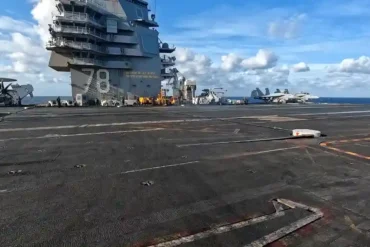
Although steel provides the deck’s structural strength, its surface would become dangerously slippery without additional protection. Every modern aircraft carrier therefore applies a specialized anti-skid coating over the steel.
This coating performs several essential functions. It creates a rough, high-friction surface that improves traction for aircraft tires, tow vehicles, and sailors working in rapidly changing weather conditions. It also helps shield the underlying steel from intense thermal stress produced by jet exhaust and afterburners, while providing resistance against fuel spills, hydraulic fluids, and mechanical wear.
The coating dramatically improves operational safety. During flight operations, deck crews often work only a few feet from moving aircraft and the edge of the ship. Enhanced traction reduces the risk of slips that could otherwise result in catastrophic accidents.
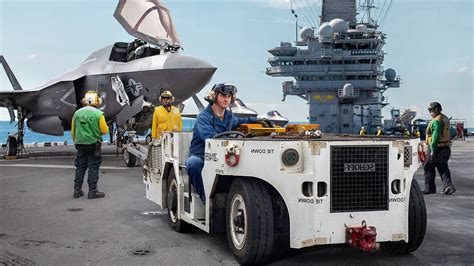
Maintaining the World’s Hardest-Working Runway
The anti-skid surface is not permanent. Continuous aircraft operations gradually wear away portions of the coating through friction, heat, and chemical exposure. Naval maintenance teams therefore inspect the deck regularly and reapply new layers when necessary.
Large-scale resurfacing projects require careful planning because every section must meet strict performance standards before flight operations resume. Modern coating systems continue to evolve as researchers seek longer-lasting materials that reduce maintenance time while improving durability and heat resistance.
This ongoing maintenance ensures the flight deck remains capable of supporting thousands of launches and recoveries throughout a carrier’s operational life without sacrificing safety or performance.
Why Asphalt and Concrete Could Never Replace Steel at Sea
Asphalt softens under extreme temperatures and lacks the structural strength needed to support repeated arrested landings. Concrete offers greater compressive strength but remains vulnerable to cracking under the constant flexing of a ship’s hull. Neither material contributes meaningfully to the vessel’s structural integrity, nor can either provide the level of impact resistance required during combat operations.
Steel solves these limitations by combining exceptional strength, flexibility, and durability within a single integrated structure. It withstands enormous mechanical loads while reinforcing the ship itself, making it uniquely suited for life at sea.
The addition of advanced anti-skid coatings further enhances performance, producing a flight deck capable of resisting heat, corrosion, abrasion, and constant operational abuse. Together, the armored steel deck and its protective surface form one of the most durable working environments ever engineered, enabling aircraft carriers to project air power across the world’s oceans under some of the harshest conditions imaginable.