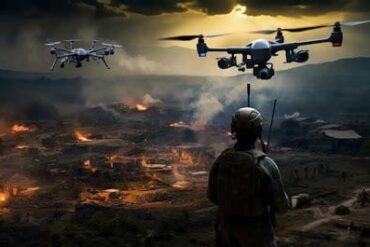
Defense drones have redefined the landscape of modern military operations, offering unparalleled capabilities in surveillance, reconnaissance, and tactical engagement without putting human lives at risk. These unmanned aerial vehicles (UAVs)—ranging from compact tactical units to high-altitude strategic platforms—have become indispensable tools for armed forces worldwide. Their rise marks a pivotal shift in how we conceive defense, intelligence, and battlefield efficiency.
Over the past decade, the adoption of defense drones has accelerated at a remarkable pace. As detailed in The Drone Databook by Dan Gettinger, there has been a 58% increase in countries incorporating drones into their defense apparatus. This exponential growth stems from their proven success in missions that demand rapid intelligence gathering, persistent surveillance, and remote strike capabilities.
Understanding Defense Drones and Their Role in Modern Military Doctrine
Defense drones, often called combat drones, are sophisticated flying machines designed for remote operations. They function without an onboard human pilot, relying instead on advanced navigation systems, AI-driven sensors, and remote control interfaces. In military nomenclature, they’re interchangeably referred to as UAVs, RPVs (Remotely Piloted Vehicles), or UAS (Unmanned Aerial Systems).
These drones perform a wide range of missions:
- Surveillance and reconnaissance over hostile or inaccessible terrain.
- Border patrol and strategic facility monitoring.
- Target acquisition and laser designation for precision strikes.
- Post-strike assessment and enemy movement analysis.
Their success lies in real-time data transmission and persistent aerial presence, often exceeding the endurance of manned aircraft.
Categories of Defense Drones: Tactical vs. Strategic
Defense drones fall into two primary categories based on size, weight, and operational range.
Tactical Drones: Small Yet Capable
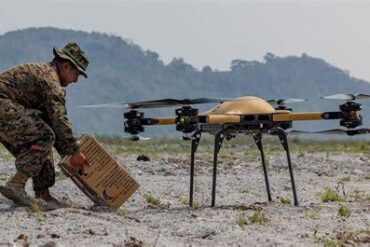
These drones weigh between 16 grams and 150 kilograms, designed for close-range operations. The most notable is the FLIR Black Hornet, a marvel of miniaturization weighing just 16 grams, ideal for covert urban surveillance and close-quarters combat intelligence.
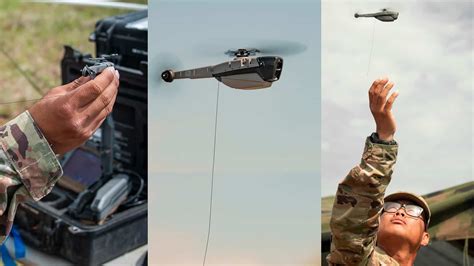
Tactical drones are used extensively by infantry units for real-time battlefield awareness. Their small size makes them almost invisible to enemy radar, while their maneuverability allows navigation through complex environments like urban battlefields and dense forests.
Strategic Drones: Heavyweights of Aerial Dominance
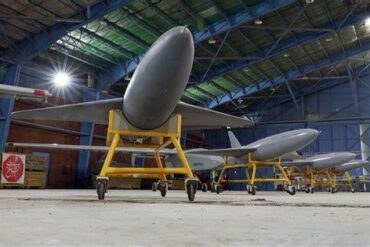
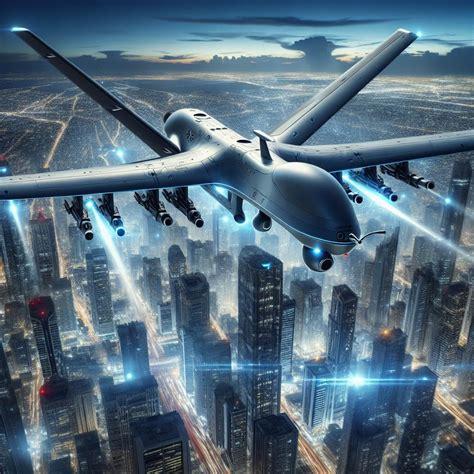
Strategic UAVs exceed 150 kilograms and are deployed for long-duration missions at high altitudes. Examples include the MQ-9 Reaper and MQ-1 Predator. These platforms resemble traditional aircraft and are equipped with long-range sensors, high-definition cameras, and precision-guided munitions.
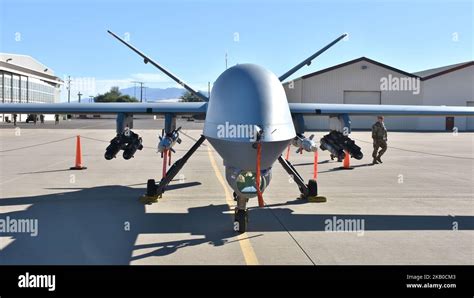
Strategic drones often function as both surveillance assets and active combatants. They can remain airborne for over 24 hours, surveil entire regions, and deliver targeted strikes with pinpoint accuracy.
Enhancing ISTAR Capabilities: Intelligence, Surveillance, Target Acquisition, Reconnaissance
One of the most critical advantages of defense drones is their ability to enhance ISTAR operations. Aerial platforms provide continuous monitoring, essential in operations ranging from detecting roadside bombs to tracking enemy movements.
Damien Bajard of Elistair emphasizes this point: “Defense drones can increase the effectiveness of combat units by conducting reconnaissance in a given area of operations, such as identifying roadside explosives.”
This capability improves decision-making by delivering real-time visuals and telemetry data directly to command centers, allowing commanders to adapt tactics dynamically.
Technological Superiority and Operational Edge
Defense drones are not merely flying cameras. They integrate cutting-edge technologies that offer distinct tactical advantages:
- Endurance: Tethered drones, like the Elistair Orion, can remain airborne for up to 50 hours, making them ideal for border security and search and rescue operations.
- Versatility: Drones can be preprogrammed or manually navigated, allowing flexibility for reconnaissance, combat support, or communication relay.
- Stealth and Discretion: Designed with low-noise emissions and minimal radar cross-section, drones can operate undetected in contested airspace.
- Multi-Sensor Systems: Equipped with electro-optical, infrared, and hyperspectral sensors, drones can detect heat signatures, camouflage, and even underground activity.
- AI-Driven Targeting: Advanced onboard systems enable drones to identify and classify targets autonomously, significantly reducing response time.
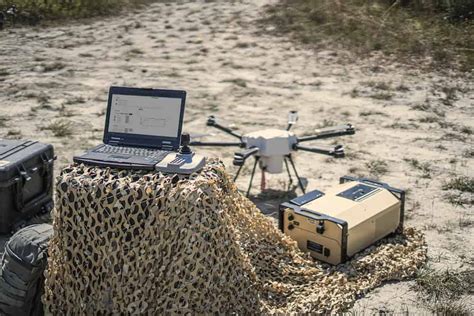
These technologies collectively contribute to force multiplication, allowing fewer personnel to cover greater ground with enhanced effectiveness.
Law Enforcement Applications: The Chula Vista Model
The line between military and civilian drone applications is increasingly blurred. A notable case is the Chula Vista Police Department in California, which pioneered a Drone as First Responder (DFR) model. Implemented in 2019, this program demonstrated how real-time aerial support can revolutionize emergency response.
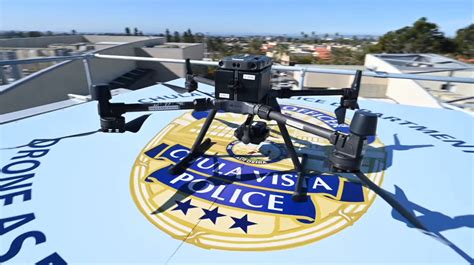
By deploying drones ahead of patrol units, Chula Vista PD could assess situations, identify threats, and provide backup—all before officers arrived. This model is now being replicated across multiple cities, underscoring drones’ versatility beyond traditional battlefields.
Limitations and Operational Risks
While defense drones bring transformational value, they are not without challenges and constraints:
- Weather Dependency: Heavy rain, snow, or high winds can degrade drone performance, particularly for lightweight models.
- Limited Flight Time: Non-tethered drones have operational limits, often between 30 minutes and 4 hours, depending on payload and battery technology.
- Range Constraints: Smaller drones typically have limited communication ranges, making them unsuitable for extended missions without relay systems.
- Electronic Warfare Vulnerability: Drones are susceptible to jamming, spoofing, and hacking, especially in environments where electronic countermeasures are in use.
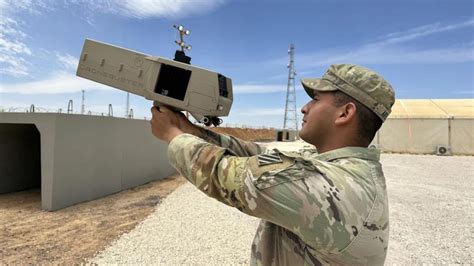
Understanding these risks is vital when integrating drones into complex missions where redundancy, fallback systems, and pilot oversight remain essential.
Global Market Outlook and Strategic Imperatives
According to the Defense Drone Global Market Report 2024, the military drone market is projected to reach $16.233 billion by 2028. This growth is propelled by rising geopolitical tensions, modernization programs, and the escalating demand for cost-effective, high-efficiency aerial assets.
Defense agencies across the globe are investing in:
- Swarm drone systems for autonomous saturation attacks.
- AI-integrated decision-making modules for autonomous operations.
- Hybrid propulsion systems to extend operational range and reduce detectability.
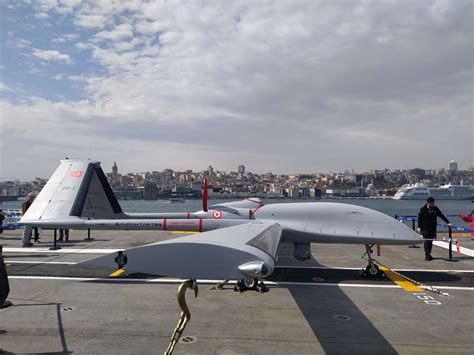
Countries such as the United States, Israel, China, and Turkey are leading in drone innovation and exports, shaping the strategic balance of power in multiple regions.
Conclusion: A Strategic Asset Redefining Conflict Dynamics
Defense drones have transcended their experimental origins to become cornerstones of modern military strategy. From high-altitude surveillance to agile close-range support, they offer a unique blend of persistence, adaptability, and precision. As drone capabilities continue to evolve, so too will their role in both traditional and asymmetrical warfare.
For nations seeking a technological edge in defense preparedness, investing in advanced UAV systems is no longer optional—it is imperative. The future of combat will not be defined solely by the number of boots on the ground, but by the sophistication and integration of unmanned systems operating above them.