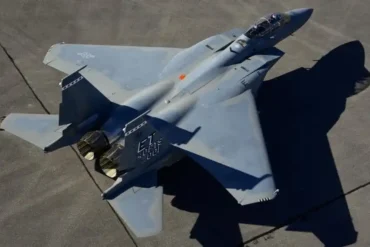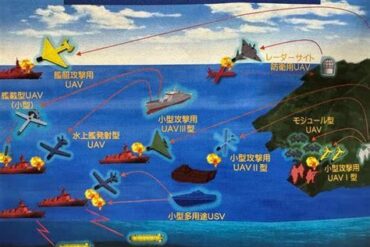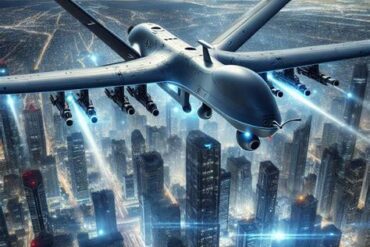
The United States Air Force (USAF) has made monumental advancements in unmanned aerial vehicle (UAV) technology over the past two decades. These aircraft, which were once primarily used for reconnaissance, have evolved into multi-role platforms capable of carrying out drone strikes, electronic warfare, and even search-and-rescue operations. As of January 2014, the USAF operates a massive fleet of UAVs, including over 7,000 RQ-11 Ravens, nearly 1,000 AeroVironment Wasp IIIs, and more than 1,100 RQ-20 Pumas. The widespread use and rapid development of these systems are reshaping the future of aerial warfare and redefining the landscape of modern combat.
The Evolution of UAVs in the U.S. Military
The first use of armed UAVs by the United States military dates back to 2001, when the MQ-1 Predator was deployed in Afghanistan. Originally designed for surveillance, the Predator’s capability to carry missiles made it an effective tool in targeted strikes against terrorist leaders and militants. Since then, the role of UAVs in military operations has expanded exponentially. No longer confined to intelligence gathering, drones now perform combat missions across a wide array of operational areas.
Throughout the War on Terror, particularly in Afghanistan and Pakistan, drones have played a central role in counterterrorism operations. By 2005, UAVs had flown over 100,000 hours in support of operations like Enduring Freedom and Iraqi Freedom. The relentless advancements in drone technology have enabled these UAVs to become more effective, smaller, and more capable, contributing significantly to the success of military campaigns.
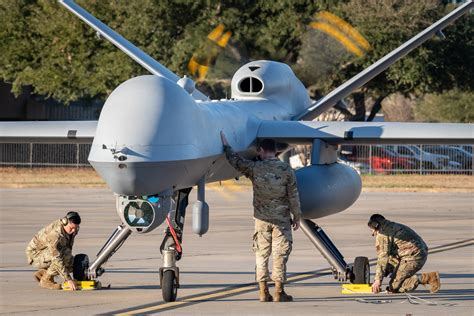
Diverse Roles of U.S. Air Force Drones
Initially, the primary use of UAVs in the U.S. military was for intelligence, surveillance, and reconnaissance (ISR). However, as technology advanced, these systems began performing a range of other functions. Electronic warfare, drone strikes, and even combat search-and-rescue operations are now part of the extensive repertoire of roles that UAVs fill.
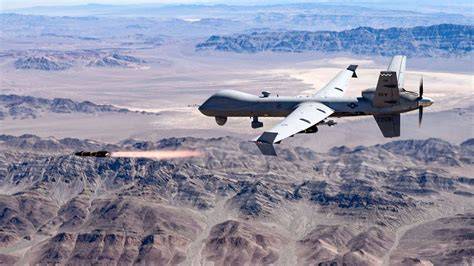
One of the most significant roles played by UAVs is drone strikes. Since 2001, UAVs like the MQ-1 Predator and MQ-9 Reaper have been armed with Hellfire missiles, enabling them to engage high-value targets. The effectiveness of these strikes is well-documented, with the U.S. military using UAVs to target al-Qaeda and Taliban leaders. While UAV strikes have proven effective in eliminating militants, the ethics and legality of these attacks have been hotly debated.
In addition to offensive operations, drones also play a vital role in electronic warfare, where they disrupt enemy communications and radar systems. Furthermore, UAVs like the RQ-7 Shadow and MQ-8B Fire Scout are increasingly used for combat search-and-rescue operations, offering real-time situational awareness and intelligence to ground forces. This broad range of functions highlights the adaptability and value of UAVs in contemporary military strategies.
U.S. Air Force UAVs: A Tiered System of Integration
The integration of UAVs into the U.S. Air Force and military operations is structured according to a Tier system, which organizes the various UAVs based on their roles and capabilities. This system ensures that UAVs work cohesively to support ground forces, enhancing their operational effectiveness.
Tier 1: Tactical UAVs
Tier 1 UAVs, such as the RQ-11 Raven, are typically small and portable systems used by ground forces for immediate intelligence gathering. These drones are lightweight and can be easily launched by hand, making them ideal for short-range reconnaissance missions in urban environments or on the battlefield.
Tier 2: Medium-Altitude UAVs
Medium-altitude UAVs, like the RQ-20 Puma, provide greater endurance and range than their Tier 1 counterparts. These drones are used for a variety of missions, including surveillance, target acquisition, and battlefield management. Their ability to operate at medium altitudes allows them to cover larger areas and provide detailed intelligence in real-time.
Tier 3: High-Altitude UAVs
At the highest end of the spectrum are high-altitude, long-endurance (HALE) UAVs, such as the RQ-4 Global Hawk. These drones are capable of flying for days at a time, providing persistent surveillance over vast geographical areas. The Global Hawk, in particular, is used for strategic reconnaissance and can provide invaluable intelligence for operations over long periods, without the need for frequent refueling or human intervention.
The Role of Drones in the War on Terror
The increasing reliance on UAVs has been most evident in the U.S. military’s efforts in the War on Terror. Since 2001, UAVs have become a central tool in counterterrorism operations in Afghanistan, Iraq, Pakistan, and Yemen. These drones have been used to target high-ranking members of terrorist organizations like al-Qaeda and the Taliban, often with precision strikes that minimize civilian casualties.
While these drone strikes have been successful in eliminating terrorist leaders, they have also been controversial. The ethical and legal implications of using drones for targeted killings have been widely debated. Critics argue that drone strikes result in excessive collateral damage and civilian casualties, citing statistics from organizations like the New America Foundation. For example, reports suggest that between 2006 and 2009, drone strikes in Pakistan alone killed between 750 and 1,000 people, with 31 to 33 percent being civilians.
Despite these concerns, proponents of drone strikes argue that UAVs offer a cleaner instrument of war compared to manned operations. The ability to strike targets with precision, without risking the lives of military personnel, is seen as a significant advantage in modern warfare. Additionally, drones provide real-time intelligence and overhead surveillance, allowing military commanders to track targets and plan strikes with greater accuracy.
The Growing Demand for UAV Pilots
As the demand for UAVs has increased, so has the need for drone pilots. The U.S. Air Force has been training more UAV operators than traditional pilots, marking a significant shift in the way military aviation is approached. As of 2013, approximately 8.5 percent of U.S. Air Force pilots were UAV operators, a number that has continued to grow.
This shift is reflective of the increasing reliance on UAVs for operational success. However, it also presents challenges. The stress associated with flying UAVs, combined with the long hours and increasing demand for drone operators, has led to high stress levels among UAV pilots. A study by the Air Force School of Aerospace Medicine found that nearly 50% of UAV operators suffer from high stress, which can negatively impact their performance and mental health.
The Future of U.S. Air Force Drones
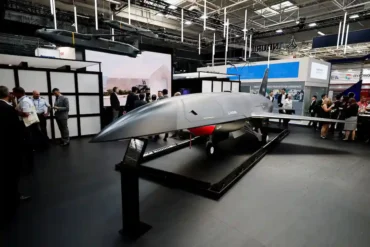
The development of new, advanced UAVs continues to shape the future of military aviation. One of the most exciting developments is the MQ-X, a stealthier, faster UAV designed to carry out a range of missions, from high-performance surveillance to attack options and cargo capacity. The MQ-X builds upon the capabilities of the MQ-9 Reaper and the MQ-1 Predator, offering even greater flexibility and operational effectiveness.
Additionally, the U.S. Department of Defense is investing heavily in autonomous UAV technology. Programs like DARPA’s Fast Lightweight Autonomy Program (FLAP) aim to develop UAVs that can navigate indoor obstacles and learn from past experiences, opening up new possibilities for urban warfare and domestic security.
Conclusion
The integration of U.S. Air Force drones into modern warfare has revolutionized military operations. From their role in targeted strikes and intelligence gathering to their potential for future missions, UAVs are a cornerstone of U.S. military strategy. As technology continues to evolve, the role of UAVs will only become more significant, and the demand for skilled UAV operators will continue to rise. The future of aerial warfare is undeniably tied to the continued success and development of unmanned aerial vehicles.