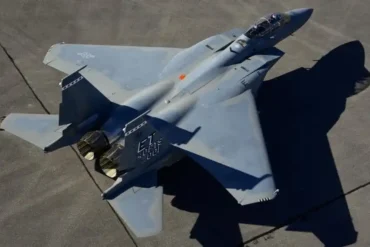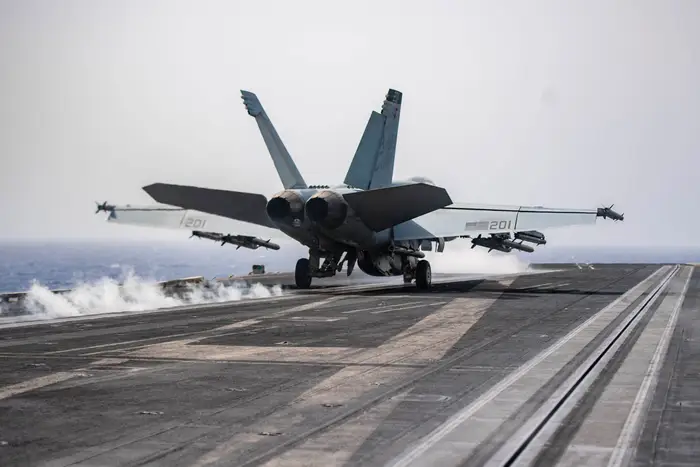
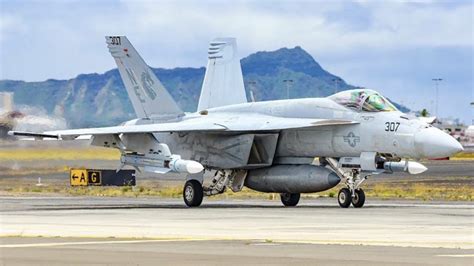
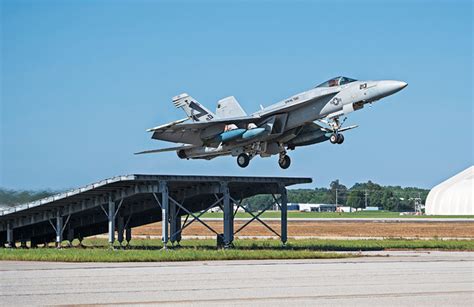
The F/A-18 Super Hornet has long been a mainstay of the U.S. Navy’s carrier-based airpower, but recent engagements over the Red Sea have ushered in a new chapter in its operational history. As drones become an increasing threat in modern warfare, the Super Hornet’s adaptation to air-defense roles highlights its versatility. The January 2024 engagement of enemy drones by the USS Dwight D. Eisenhower Carrier Strike Group set a precedent, demonstrating how the F/A-18E/F can counter unmanned aerial threats using air-to-air missiles.
The Historic Red Sea Engagement
On January 9, 2024, the Houthi rebels launched an unprecedented aerial attack targeting shipping lanes in the Red Sea. The attack included a coordinated assault with drones, anti-ship cruise missiles, and ballistic missiles. Three U.S. Navy destroyers—USS Gravely, USS Mason, and USS Laboon—intercepted multiple threats, neutralizing several drones and missiles. Meanwhile, F/A-18E Super Hornets from Carrier Air Wing-3 were scrambled from the USS Dwight D. Eisenhower to counter the drone threat.
The engagement marked the first successful naval interception of an enemy drone using an air-to-air missile. This pivotal moment not only showcased the Super Hornet’s ability to counter unmanned threats but also led to strategic changes in its weapons loadout to enhance its role in aerial defense.
The Evolution of the F/A-18’s Loadout
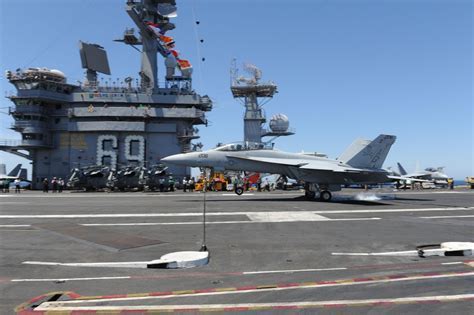
Following the Red Sea engagement, the Navy modified the F/A-18’s armament to optimize it for drone defense. Initially, these aircraft carried a mix of air-to-air and air-to-ground munitions, but as the need for aerial interception grew, a new loadout emerged.
Dubbed the “Murder Hornet” configuration, this setup included:
- Four AIM-9X Sidewinder missiles – A short-range, infrared-guided missile designed for dogfighting.
- Five AIM-120 AMRAAM missiles – A beyond-visual-range weapon capable of engaging drones and aircraft at extended distances.
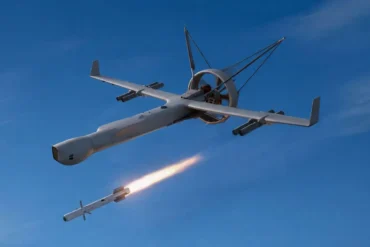
This shift reflected the Navy’s strategy to deploy cost-effective countermeasures against enemy drones. Ship-based interceptors, such as the Standard Missile series, remain an option but are considerably more expensive than air-launched missiles. The F/A-18’s ability to carry multiple air-to-air munitions made it a valuable asset in defending naval task forces against drone swarms.
Combat Deployment and Successes
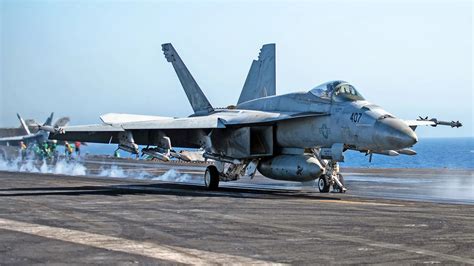
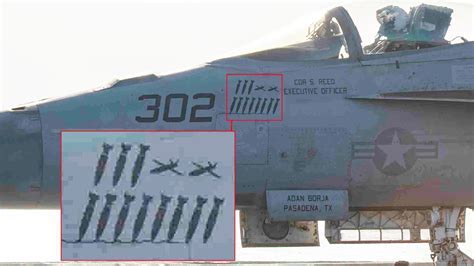
As the conflict with the Houthis intensified, F/A-18 Super Hornets were continuously deployed for interception missions. By March 2024, American jets were observed displaying kill markings on their fuselages, signifying successful engagements against enemy drones and missiles.
The USS Dwight D. Eisenhower strike group expended nearly 800 munitions during its deployment, including approximately 60 air-to-air missiles. The operational effectiveness of the F/A-18 in this new role contributed significantly to securing Red Sea shipping lanes and demonstrated the viability of carrier-based aircraft in countering drone threats.
The Strategic Significance of the “Murder Hornet”
The introduction of the Murder Hornet loadout underscores a major tactical evolution for the U.S. Navy. As adversaries continue to rely on drone warfare, the ability to rapidly engage and neutralize airborne threats is critical. The F/A-18’s adaptability ensures that carrier-based squadrons can operate effectively in high-intensity combat environments without relying solely on ship-based defenses.
Beyond the Red Sea conflict, this new capability has broader implications for future naval operations. Potential adversaries in the Pacific and Middle East are investing heavily in drone technology, and the Navy’s emphasis on aerial drone defense will be crucial for maintaining sea control and force protection.
Future Developments and Integration
The success of the F/A-18 in counter-drone warfare raises questions about future enhancements. Some possible advancements include:
- Integration of directed-energy weapons – Laser-based countermeasures could provide an even more cost-effective solution against drones.
- Expanded use of AI-assisted targeting systems – Enhancing the F/A-18’s fire-control system could improve engagement efficiency.
- Coordination with unmanned wingmen – The Navy is exploring autonomous drones that could work alongside Super Hornets in defensive operations.
These developments highlight how the Super Hornet remains at the forefront of naval aviation, evolving to meet emerging threats in modern warfare.
FAQ: F/A-18 Drone Defense Capabilities
How effective is the F/A-18 against drones?
The F/A-18 Super Hornet has proven highly effective in countering drones, especially with the Murder Hornet loadout. By equipping these aircraft with multiple air-to-air missiles, the Navy has created a cost-effective alternative to ship-based missile defenses.
What makes the AIM-9X and AIM-120 effective against drones?
The AIM-9X Sidewinder uses infrared homing technology, making it highly effective against maneuvering drones at close range. The AIM-120 AMRAAM offers beyond-visual-range engagement, ensuring that enemy UAVs can be intercepted before reaching their targets.
Will the F/A-18 continue to be used for drone defense?
Yes, the U.S. Navy has fully integrated drone defense into F/A-18 operations, and future deployments will likely continue this mission. The increasing use of drones in modern warfare makes it essential for carrier-based aircraft to have robust air-to-air capabilities.