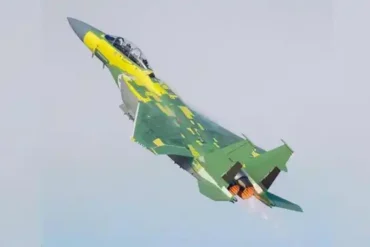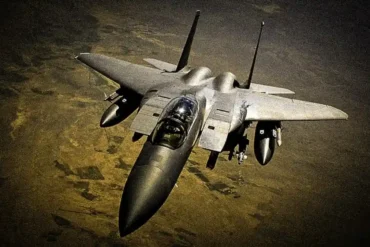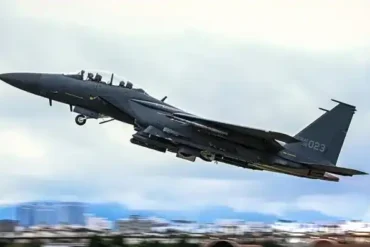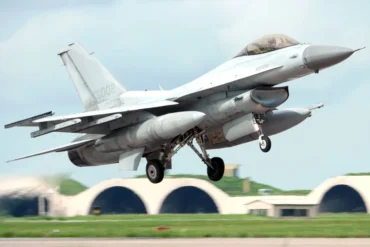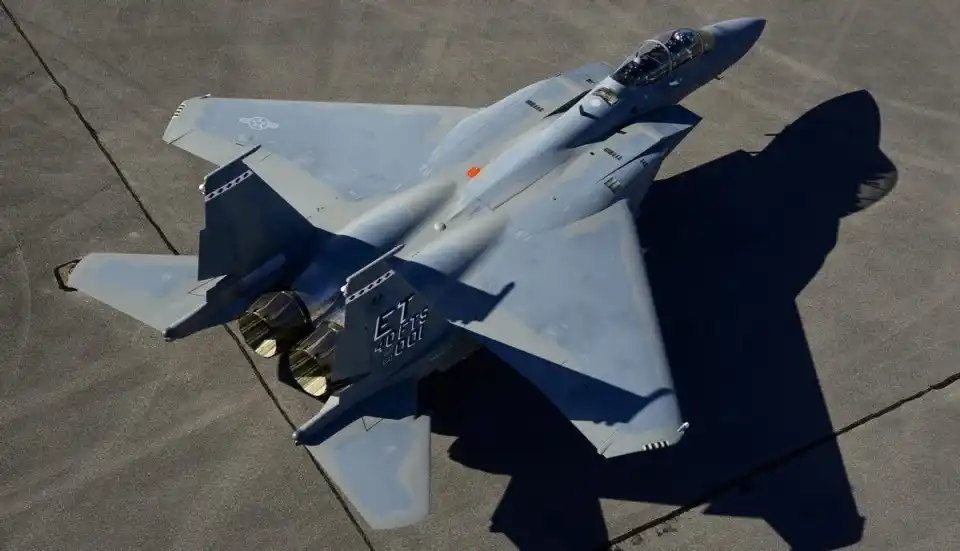
The F-15 Eagle series, particularly the F-15EX variant, remains a pivotal asset in the arsenal of the U.S. Air Force and its allied nations. Known for its unrivaled air superiority and multi-role combat flexibility, the F-15 continues to evolve in response to the ever-changing dynamics of modern warfare. This article delves deep into the F-15’s combat capabilities, focusing on the F-15EX, and provides a thorough analysis of its advanced systems, operational roles, and strategic relevance.
The Evolution of the F-15 Eagle
Since its introduction in the 1970s, the F-15 has been a cornerstone of the United States’ air dominance strategy. Originally designed as an air superiority fighter, the F-15’s design and capabilities have evolved through various variants, each improving upon the last. The latest of these, the F-15EX, represents the pinnacle of the Eagle series, integrating cutting-edge technology with the proven reliability of its predecessors.

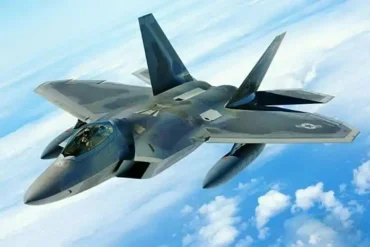
The F-15EX serves as a bridge between traditional fourth-generation fighter aircraft and the more advanced, yet costly, fifth-generation platforms like the F-22 Raptor and F-35 Lightning II. With its high mission capability rates, advanced avionics, and flexibility in multi-role operations, the F-15EX ensures the United States maintains air superiority while balancing the need for cost-effective solutions.
Air Superiority: A Legacy of Combat Excellence
One of the defining features of the F-15EX is its ability to secure air superiority, a mission it has been performing for decades. The F-15EX boasts a remarkable 83.13% mission capability rate, a statistic that far outpaces its fifth-generation counterparts, such as the F-22 (40.19%) and F-35A (51.5%). This level of reliability is due to several factors, including simplified maintenance processes and optimized logistics, which minimize downtime and maximize operational availability. Despite being a newer variant, the F-15EX has proven to be one of the most mission-capable platforms in the U.S. Air Force inventory.
Older F-15C/D models, despite their aging airframes, have also demonstrated impressive readiness rates of 52.9% and 63.7%, respectively. The continued relevance of these platforms underscores the F-15’s enduring dominance in air defense, even as the U.S. Air Force transitions to more advanced technologies.
Advanced Electronic Warfare Systems
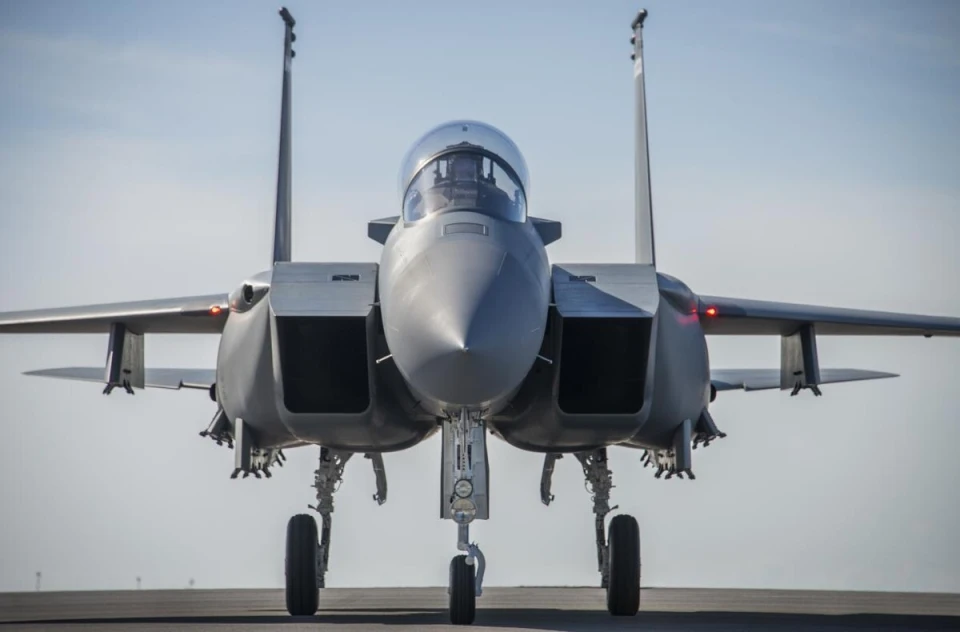
The F-15EX is equipped with state-of-the-art electronic warfare (EW) systems, most notably the EPAWSS (Electronic Protection and Attack Warfare System). This advanced system significantly enhances the F-15EX’s survivability in contested environments, where modern air defenses and adversary jamming techniques can complicate traditional air operations.
Approved for full production in 2025, the EPAWSS equips the F-15EX and upgraded F-15E models with capabilities that include jamming, threat detection, and countermeasures. These features allow the aircraft to effectively neutralize enemy radars and communication systems, ensuring that the F-15EX can engage with adversaries even in the most heavily contested electronic environments. This cutting-edge technology bolsters the F-15EX’s ability to maintain air superiority against sophisticated adversaries such as Russia and China, who have developed advanced EW and anti-access/area denial (A2/AD) capabilities.
Multi-Role Combat Flexibility
While the F-15EX was initially designed with a primary focus on air-to-air combat, it has evolved into a versatile multi-role platform capable of performing a wide range of missions. These missions include offensive and defensive counter-air operations, cruise missile defense, and even precision strike operations against ground targets.
The F-15EX’s versatility is underscored by its impressive payload capacity, which can carry up to 22 air-to-air missiles or a combination of air-to-air and air-to-ground munitions. This makes the F-15EX an ideal platform for engaging enemy aircraft and supporting ground operations. In addition, the aircraft is compatible with emerging technologies such as hypersonic weapons, enhancing its ability to counter future threats.
While the F-15EX has yet to fully integrate all capabilities for multi-domain operations, future upgrades are expected to expand its role to include more comprehensive strike capabilities and greater interoperability within joint and coalition forces.
Survivability Against Advanced Threats
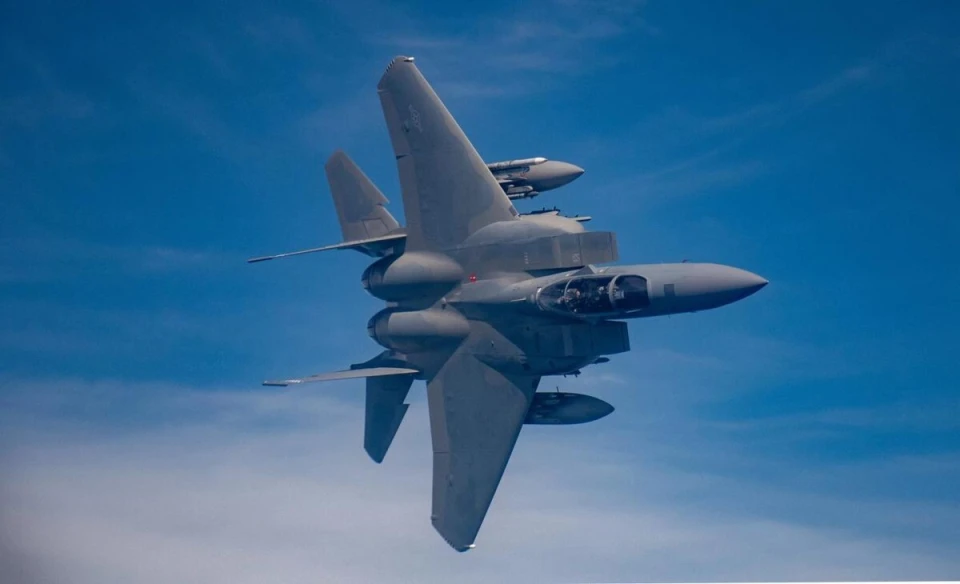
As modern adversaries continue to develop advanced weaponry and integrated air defense systems, the F-15EX faces increasing challenges in terms of survivability, particularly against fifth-generation fighters and advanced surface-to-air missiles (SAMs). Pentagon tests have demonstrated that the F-15EX can effectively engage fifth-generation fighters in simulated combat scenarios, leveraging its advanced radar systems and sensor fusion technologies to stay competitive in these high-intensity engagements.
However, despite its advanced capabilities, the F-15EX is not without its vulnerabilities. One of the primary concerns is its ability to survive against long-range missiles such as the Chinese PL-17, which can target high-value assets like tankers and AWACS (Airborne Warning and Control System) aircraft. To mitigate this, the F-15EX relies on its advanced electronic warfare systems and its ability to outmaneuver threats using superior radar and sensor technology.
Moreover, the F-15EX’s non-stealth design does present challenges in environments dominated by stealth fighters and advanced integrated air defense systems. This limitation means that the F-15EX is better suited for engagements where air superiority has already been established or in scenarios where stealth capabilities are not critical to mission success.
Human-Machine Interface and Avionics
The F-15EX incorporates a modernized glass cockpit designed to reduce pilot workload and enhance operational effectiveness. This new cockpit features touchscreen displays, digital helmet-mounted displays, and improved pilot-vehicle interfaces that enhance situational awareness during complex combat scenarios.
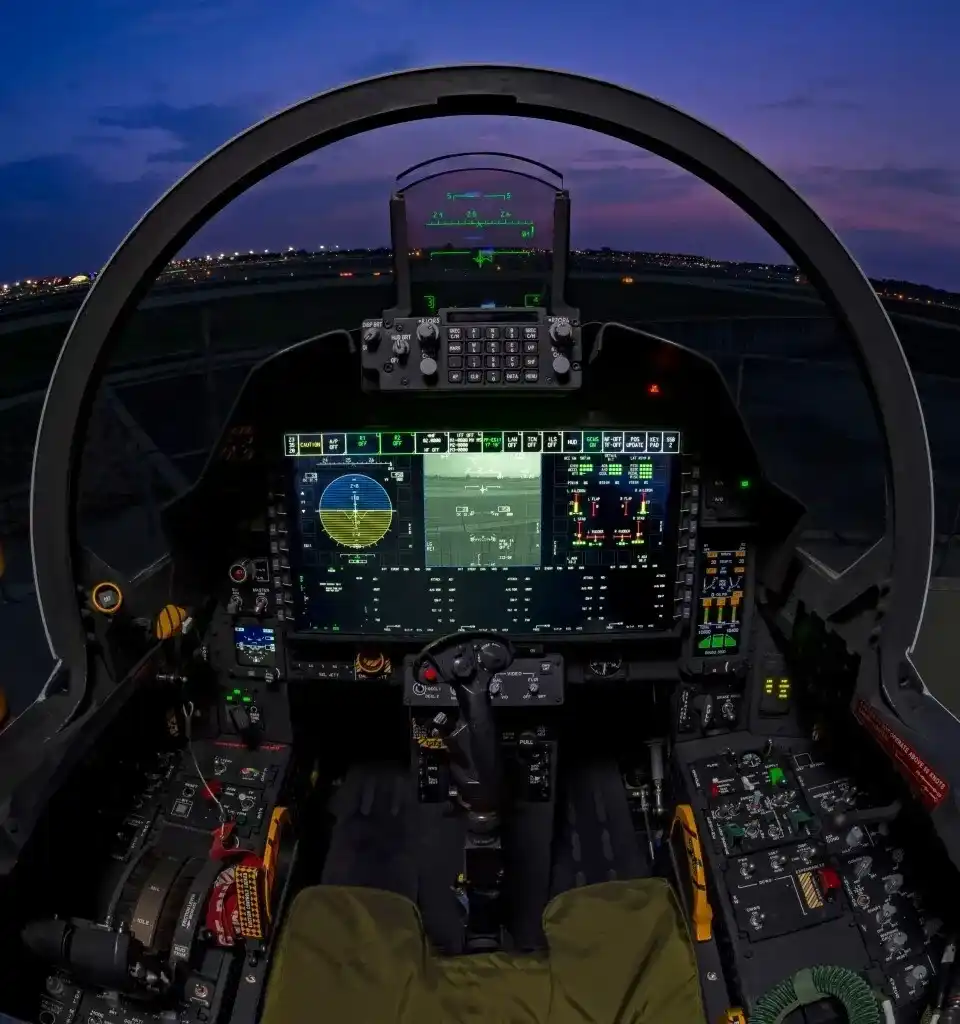
The F-15EX’s avionics suite also includes advanced sensor fusion, which integrates data from multiple sources to provide the pilot with a comprehensive picture of the operational environment. This reduces the cognitive load on pilots, enabling them to make faster, more informed decisions during high-stress missions.
Additionally, the integration of next-generation radar and electronic warfare systems allows the F-15EX to engage a wide range of threats, both air and ground-based, with unparalleled precision.
Challenges and Future Outlook
Despite the impressive upgrades to the F-15EX, there are several challenges that the aircraft must overcome to maintain its relevance in modern combat. Perhaps the most significant challenge is its non-stealth design, which limits its ability to operate in environments dominated by stealth fighters like the F-22 and F-35. The lack of low-observable features makes the F-15EX more vulnerable to detection by modern air defense systems, particularly in highly contested environments.
Another concern is the evolving budgetary landscape within the U.S. Department of Defense. Plans to reduce F-15EX procurement from 24 units to 18 in 2025 reflect a shift in priorities towards readiness over fleet expansion. As a result, the future of the F-15EX will depend on continued innovation and upgrades to maintain its competitive edge against emerging threats.
Strategic Relevance in the Global Theater
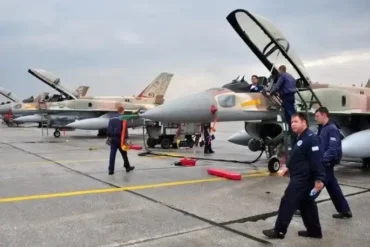
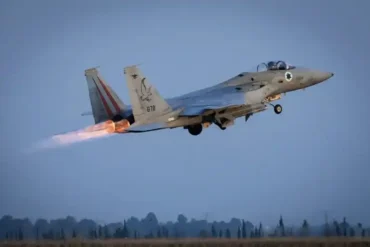
The strategic relevance of the F-15EX is not limited to the U.S. Air Force. Allied nations, such as Israel, continue to invest heavily in F-15 variants, underscoring the aircraft’s proven effectiveness in combat. For example, Israel recently ordered 25 new F-15EX units in 2024, further solidifying its confidence in the Eagle series’ longevity.
At the same time, global adversaries like China are rapidly modernizing their military forces, developing advanced technologies such as the J-20 stealth fighter and PL-15/17 missiles. As these threats evolve, the F-15EX will continue to play a vital role in maintaining parity with adversaries in both air-to-air and multi-role combat scenarios.
Conclusion: A Multi-Dimensional Combat Platform
The F-15EX is a multi-dimensional platform that excels in air superiority, electronic warfare, and multi-role operations. Its unmatched mission readiness, combined with its capacity for future upgrades, ensures its continued relevance in the face of rapidly advancing adversary technologies. While it faces challenges related to its non-stealth design and the shifting defense budget priorities, the F-15EX remains a cornerstone of U.S. air power, offering a versatile and cost-effective solution for both national defense and international partnerships.
As the world of combat aviation continues to evolve, the F-15EX stands as a testament to the enduring legacy of the F-15 Eagle series and its ongoing contributions to global air superiority.