Israel’s air bases play a pivotal role in maintaining its defense posture and ensuring its air superiority in the region. Situated in a volatile area surrounded by adversaries, these bases are not only integral to Israel’s military strategy but also serve as vital hubs for its air force operations. This article delves into the critical air bases of Israel, examining their strategic locations, technological advancements, and recent developments that underscore their importance.
1. Ramat David Airbase: A Strategic Fortress in Northern Israel
Geographic Location
Ramat David Airbase is located in the central-northern region of Israel, strategically positioned near Haifa, Jenin, and the Tiberias triangle. This location provides a unique vantage point, covering significant areas of neighboring countries, including Lebanon, Syria, and the West Bank. The base’s proximity to these borders gives it a crucial role in responding to threats from all directions.
Facilities and Capabilities
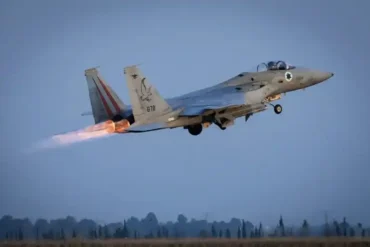
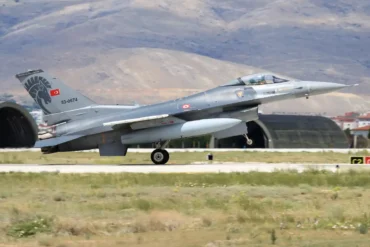
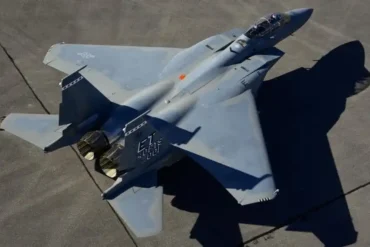
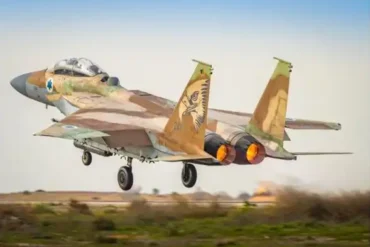
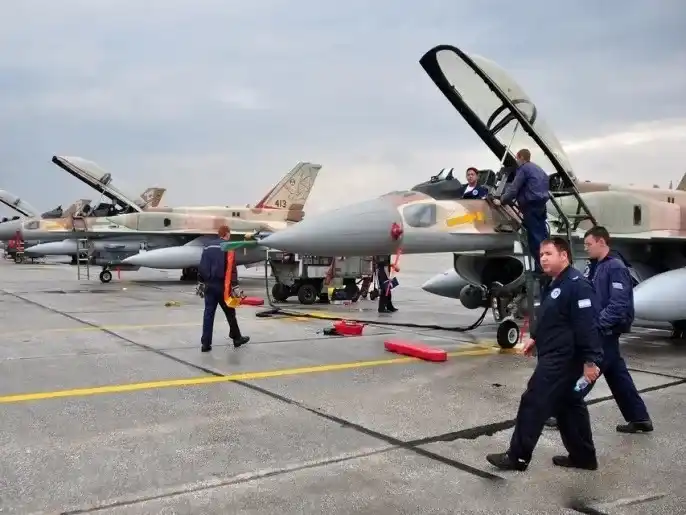
Ramat David spans 10.5 square kilometers and boasts three all-weather runways, with the longest stretching 2,600 meters. These runways are designed to accommodate Israel’s most advanced fighter jets, such as the F-16D and F-15, with a capacity to house more than 50 aircraft. Furthermore, the base includes underground hangars, which provide protection from aerial attacks.
The base is equipped with a multi-layered defense system, which includes Iron Dome, David’s Sling, Patriot missiles, and a robust electronic warfare system. This combination of advanced systems ensures the protection of the base and its assets from a range of threats, including missile strikes and drone incursions.
Recent Events and Vulnerabilities
Despite its advanced defensive systems, Ramat David has faced several security challenges in recent years. In July 2024, Hezbollah’s drones managed to infiltrate the base’s defenses, capturing and disseminating detailed images of the base’s internal facilities. This event highlighted potential vulnerabilities in the base’s air defense systems, especially against low-flying UAVs.
In February 2025, the base was targeted by Houthi rebels using 10 modified “Palestinian 2” hypersonic ballistic missiles, which caused severe damage to key infrastructure, including the command center, radar stations, and F-16 squadrons. The runway was also significantly damaged, requiring approximately 3 to 4 weeks for full operational recovery. This attack underscored the evolving nature of threats Israel faces from non-state actors and the growing sophistication of missile technology.
2. Negev Airbase: The Desert Fortress of Israel’s Air Power
Geographic Location
Situated in the heart of the Negev Desert, approximately 15 kilometers from Be’er Sheva, Negev Airbase is one of Israel’s largest and most strategically important military installations. The base is centrally located in southern Israel, making it a crucial hub for operations in both the northern and southern regions. Its remote desert location allows for increased security and the ability to maintain operations with limited external threats.
Facilities and Capabilities
Negev Airbase is Israel’s largest and most comprehensive airbase, serving as the exclusive home for the F-35I stealth fighter jets. This base is equipped with three runways, the longest of which stretches to 3,900 meters, enabling the takeoff and landing of large aircraft such as transport planes and refueling tankers.
The base’s facilities include advanced maintenance and repair workshops, which are crucial for the upkeep of Israel’s high-tech fleet. The ability to support and maintain cutting-edge aircraft such as the F-35I and F-16 ensures that Israel’s air force remains operational at the highest levels of combat readiness.
Recent Events and Security Challenges
In October 2024, Negev Airbase was targeted by a wave of Iranian ballistic missiles. At least 20 missiles struck the base, but the full extent of the damage remains classified. Despite this, the resilience of Israel’s air defense systems, including Iron Dome and David’s Sling, played a critical role in mitigating the potential for more catastrophic damage. These attacks serve as a stark reminder of the growing missile threats in the region and the need for constant vigilance and adaptation.
3. Sedot Mikha Airbase: The Core of Israel’s Nuclear Deterrence
Strategic Importance
Located in southern Israel, Sedot Mikha Airbase is believed to house some of Israel’s most critical assets, including its Jericho medium-range ballistic missiles. These missiles are part of Israel’s strategic nuclear deterrence capabilities, giving the country the ability to strike regional adversaries in the event of a dire conflict. While much about this base remains classified, its strategic importance cannot be overstated.
Capabilities and Functions
Sedot Mikha serves as a critical launch site for Israel’s Jericho missiles, which are capable of striking targets across the Middle East and beyond. In addition to its role in Israel’s nuclear deterrence, the base is integral to the country’s broader missile defense and offensive capabilities.
4. The Southern Negev Desert Base: A Critical Reserve for Operational Continuity
Operational Resilience
In the event of heightened conflict, Israel maintains southern Negev Desert bases as backup airfields. These locations provide secure operational continuity, particularly when other airbases are under threat. Following the February 2025 attack on Ramat David Airbase, several of the base’s fighter jets were quickly relocated to these desert bases to ensure the continuation of air operations.
Functionality and Flexibility
The Southern Negev desert bases are equipped to handle various aircraft, including fighter jets and cargo planes. Their remote location and fortified infrastructure ensure they remain viable options for Israel’s air force in times of crisis.
5. The Strategic Role of Israeli Air Force Bases in National Security
Technological Superiority
Israel’s air force has long been recognized for its advanced technological edge, which is reflected in the capabilities of its airbases. The F-15, F-16, and F-35I are at the core of Israel’s aerial arsenal, providing unmatched agility, speed, and precision in combat operations. These aircraft are complemented by Israel’s indigenous Python and Derby missiles, as well as sophisticated electronic warfare systems that enhance both offensive and defensive operations.
Israel also utilizes state-of-the-art radar systems, including the Green Pine radar, to detect incoming threats at long ranges, giving the country ample time to respond to airborne attacks or missile strikes.
Rapid Response and Readiness
A hallmark of Israel’s air force is its rapid response capability. Israel’s air force boasts a remarkable mission readiness rate of 92-96%, with fighter jets prepared to take off within 7 minutes of receiving a mission order. This swift reaction time is facilitated by Israel’s highly skilled personnel, advanced training programs, and the strategic location of its airbases, which allow for quick deployment across the region.
Challenges in Air Defense
While Israel has made substantial investments in its air defense infrastructure, recent years have highlighted vulnerabilities in the face of emerging threats. The rise of hypersonic missiles, electronic warfare drones, and sophisticated missile systems has posed new challenges to Israel’s air defense systems. The attacks on Ramat David Airbase in 2025 by Houthi forces underscore the importance of continually evolving defense strategies to address these high-tech threats.
6. Looking Ahead: The Future of Israeli Air Bases
As Israel faces an increasingly complex security environment, its airbases will continue to evolve to meet new challenges. The country is expected to invest further in its air defense systems, cybersecurity capabilities, and counter-drone technologies to maintain its strategic advantage in the region.
The Shift to Remote and Autonomous Operations
The future of Israeli air bases may also involve greater integration of autonomous systems and remotely piloted aircraft (RPAs), which could supplement manned operations. With the growing capabilities of artificial intelligence (AI) and machine learning, Israel is likely to further develop its network of bases to enable faster decision-making and more effective defense strategies.
Conclusion
Israeli airbases are not only vital to the country’s defense but also serve as a testament to Israel’s military ingenuity and technological advancements. From the Ramat David Airbase in the north to the Negev in the south, each base plays a distinct role in ensuring Israel’s air superiority and strategic deterrence. As regional threats evolve, Israel’s airbases will continue to adapt, incorporating new technologies and methodologies to maintain the country’s security and regional stability.
In an era of rapidly advancing military technology and evolving geopolitical dynamics, Israel’s airbases will remain a cornerstone of its defense strategy, safeguarding the nation’s interests and maintaining its position as a regional military powerhouse.