The Israeli Defense Forces (IDF), often regarded as one of the most powerful and advanced military forces in the Middle East, plays a critical role in the security and stability of Israel. Despite its relatively small size compared to other global military powers, the IDF’s effectiveness comes from a combination of factors such as cutting-edge technology, extensive combat experience, compulsory military service, and strategic planning. This article aims to provide a thorough analysis of the Israeli army size as of 2025, examining its components, strategic capabilities, and historical context.
1. Overview of the Israeli Army’s Current Active Forces
As of 2025, the Israeli Defense Forces (IDF) consists of approximately 175,000 active-duty personnel. This force is divided into three primary branches: the Army, the Navy, and the Air Force. Each branch has a specialized role in ensuring Israel’s defense and is equipped with state-of-the-art technology and weaponry. The following is a breakdown of each branch’s size, structure, and equipment:
1.1. Israeli Army (Ground Forces)
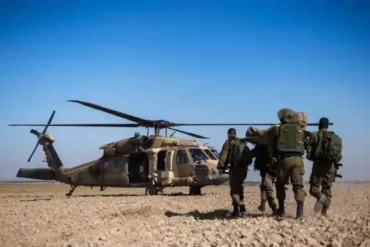
The Israeli Army is the largest and most important component of the IDF, with approximately 130,000 personnel. The army is equipped with a wide array of modern weaponry and vehicles that ensure its operational efficiency in various terrains, especially in urban and desert environments.
Key Equipment and Capabilities:
- Tanks: The Israeli Army operates a significant fleet of over 3,600 main battle tanks, with a primary focus on the Merkava series, which are among the most advanced tanks in the world. These tanks are equipped with heavy armor, high mobility, and a variety of defensive systems.
- Artillery: The army’s artillery forces are robust, with more than 530 heavy artillery pieces, including M270 Multiple Launch Rocket Systems (MLRS), providing long-range strike capabilities.
- Infantry and Armored Brigades: Ground forces are divided into specialized brigades for rapid response, reconnaissance, and infantry support, making the army versatile across different combat scenarios.
1.2. Israeli Navy
The Israeli Navy plays a pivotal role in ensuring Israel’s security along its Mediterranean coastline and beyond. The Navy is relatively small, with approximately 9,000 personnel, but it is equipped with some of the most sophisticated vessels and submarines.
Key Equipment and Capabilities:
- Submarines: The Navy operates a fleet of Dolphin-class submarines, five of which are equipped with nuclear-capable cruise missiles. These submarines form the backbone of Israel’s strategic deterrence, ensuring the country’s nuclear second-strike capability.
- Surface Vessels: The Navy also boasts Sa’ar 6-class corvettes, equipped with phased array radar and Barak-8 air defense systems, offering a comprehensive defense against aerial threats.
1.3. Israeli Air Force
The Israeli Air Force (IAF) is considered one of the most advanced air forces in the world. With approximately 36,000 personnel, the IAF is responsible for protecting Israel’s airspace and executing offensive and defensive operations.
Key Equipment and Capabilities:
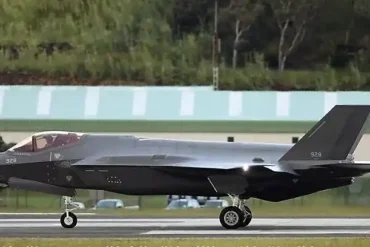
- F-35I Adir: The IAF operates 75 F-35I stealth fighters, which are customized to meet Israeli requirements and provide unparalleled capabilities in terms of radar evasion, strike precision, and operational range.
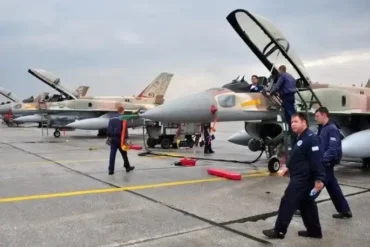
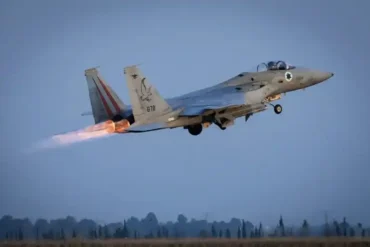
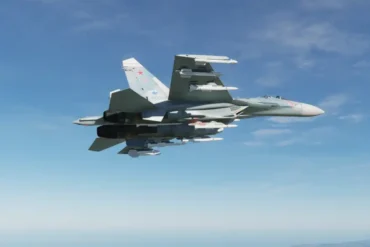
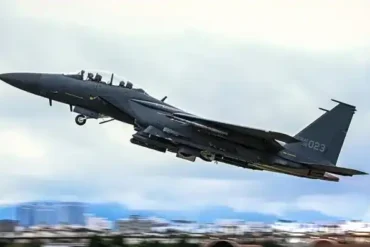
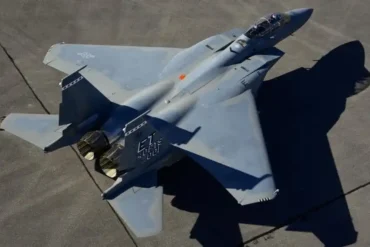
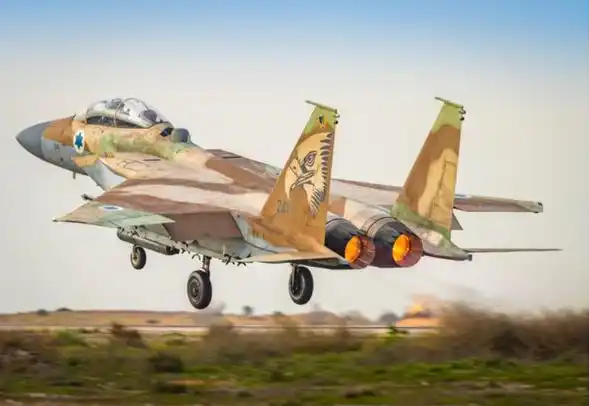
- F-16 and F-15 Fighters: In addition to the F-35, Israel uses a fleet of 250 F-16s and 58 F-15s for a variety of missions ranging from air superiority to deep penetration strikes.
- Unmanned Aerial Vehicles (UAVs): The IAF has invested heavily in UAV technology, with a fleet of Heron and Eitan drones, which are used for reconnaissance, surveillance, and even targeted strikes.
- AWACS: The E-2C Hawkeye and other early warning aircraft play a vital role in detecting incoming threats and coordinating defensive measures.
2. Reserve Forces and Mobilization Capacity
One of the unique aspects of the Israeli military is its reliance on reserve forces. Israel maintains a high level of readiness due to its compulsory military service system and robust reserve mobilization capabilities.
2.1. Reserve Force Size
Israel’s reserve force is significant, numbering between 400,000 and 465,000 personnel, depending on the mobilization requirements at any given time. The IDF is designed to quickly activate these reserve units in times of crisis, making it one of the most efficient and responsive military systems globally.
Branch-Specific Reserves:
- Army Reserves: The Israeli Army reserves make up the largest proportion of the IDF reserves, with the ability to mobilize up to 500,000 personnel if necessary.
- Navy Reserves: The Israeli Navy has a much smaller reserve force, approximately 10,000 personnel. This force is responsible for maintaining coastal defense and supporting naval operations in times of conflict.
- Air Force Reserves: The Israeli Air Force reserves consist of about 55,000 personnel, including pilots, technicians, and support personnel who can rapidly deploy in the event of an emergency.
2.2. Mobilization in Crisis Situations
Israel is known for its swift mobilization during times of conflict. For example, during the 2023 Gaza conflict, Israel successfully mobilized 360,000 reservists, approximately 56% of its theoretical mobilization capacity of 640,000 personnel. This quick response capability is a result of Israel’s compulsory service system, which ensures that nearly all able-bodied Israelis are trained and ready to serve when required.
3. Strategic Strengths and Technological Advancements
3.1. Nuclear Deterrence
While Israel maintains a policy of ambiguity regarding its nuclear weapons, it is widely believed that the country possesses a nuclear arsenal. Estimates suggest that Israel has between 80 and 100 nuclear warheads, which are believed to be deployed on Jericho-3 ballistic missiles and Dolphin-class submarines. These nuclear capabilities serve as a strategic deterrent against potential adversaries, ensuring that Israel maintains a second-strike capability in the event of an existential threat.
3.2. Air Defense Systems
Israel’s air defense systems are among the most advanced in the world. They include:
- Iron Dome: A highly effective short-range missile defense system designed to intercept and destroy incoming rockets and artillery shells, especially those targeting civilian areas.
- David’s Sling: A medium-range missile defense system designed to counter threats from ballistic missiles and aircraft.
- Arrow System: A long-range ballistic missile defense system designed to intercept and destroy long-range threats, such as intercontinental ballistic missiles (ICBMs).
3.3. Technological Superiority
One of the key advantages of the IDF is its technological superiority in various fields. Israel invests heavily in research and development, with many of its military technologies being domestically developed. For example:
- The F-35I fighter jet is equipped with Israeli-made avionics and weaponry, giving it enhanced performance compared to the U.S. version of the aircraft.
- The IDF also leads in cyber warfare, with advanced cyber defense capabilities that allow Israel to protect its networks and potentially disrupt adversaries.
4. Historical Context and Combat Experience
Since its founding in 1948, the IDF has gained extensive combat experience through numerous conflicts and military operations. The IDF’s ability to quickly mobilize, adapt to changing battlefield conditions, and execute highly effective strategies has made it one of the most respected military forces in the world. Some of the most notable operations and victories include:
4.1. Six-Day War (1967)
In the Six-Day War, Israel’s air force successfully destroyed the entire Egyptian air force within the first hours of the conflict. The IDF also achieved rapid ground advances, capturing significant territories including the West Bank, Gaza Strip, and Golan Heights.
4.2. Operation Entebbe (1976)
Israel’s special forces performed a high-risk rescue mission in Uganda, successfully liberating hostages from a hijacked plane. This operation demonstrated Israel’s capability in executing precise and daring military actions.
4.3. The 1981 Strike on Iraq’s Nuclear Reactor
In 1981, the Israeli Air Force carried out a covert mission to destroy Iraq’s nuclear reactor in Osirak, preventing Saddam Hussein from developing nuclear weapons.
5. Conclusion
While Israel’s military size may be relatively small in comparison to other countries, its effectiveness comes from an integrated combination of highly trained personnel, cutting-edge technology, strategic doctrines, and a strong sense of national security. The Israeli Defense Forces maintain a constant state of readiness, bolstered by an extensive reserve force and a national culture of military preparedness. By combining technological superiority, rapid mobilization, and a history of battlefield success, Israel has positioned itself as a formidable military power in the Middle East and beyond.
The Israeli Army’s size may be smaller than some of its global counterparts, but its capabilities and readiness ensure that it remains one of the most advanced and battle-tested forces in the world.