The Israeli Air Force (IAF) is renowned for its formidable and diverse fleet of combat aircraft, combining cutting-edge technology and strategic versatility. With its fleet ranging from advanced stealth fighters to heavily armed attack helicopters, the IAF ensures that Israel maintains a strong and capable air defense posture. This article delves deep into the most significant Israeli combat aircraft, their roles, armament, and operational strategies, as well as the tactical impact of their deployment.
The Role of the Israeli Combat Aircraft
The Israeli Air Force plays a critical role in Israel’s defense strategy. The fleet is designed to execute a variety of operations, including precision strikes, close air support, intelligence gathering, and aerial defense. The variety in aircraft types allows the IAF to adapt rapidly to changing combat scenarios. Key to this flexibility is the blending of U.S.-made platforms with domestically upgraded systems, which ensures superior performance and strategic advantage.
Key Israeli Combat Aircraft
Israel’s fleet is comprised of both fighter jets and helicopters, each serving unique functions to provide maximum operational flexibility. Below, we explore the features, roles, and strategic use of these aircraft.
1. Fighter Jets: Precision, Stealth, and Versatility
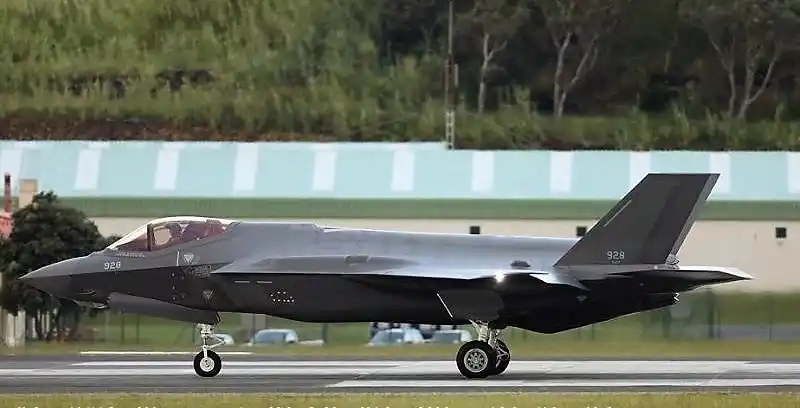
F-35I Adir: The Stealth Multirole Fighter
The F-35I Adir is Israel’s flagship 5th-generation stealth multirole fighter. Capable of both air superiority and strike missions, the F-35I is equipped with advanced stealth capabilities that allow it to operate effectively in contested environments.

Key Features and Capabilities:
- Stealth Design: The aircraft is designed to minimize radar visibility, ensuring that it can carry out strikes without detection in high-risk areas.
- Internal Weapons Carriage: The F-35I is capable of carrying weapons internally, such as GBU-31 JDAMs (Joint Direct Attack Munitions), which allows it to maintain a low radar cross-section during missions.
- First Combat Use: The F-35I saw its first confirmed combat use in 2018, where it executed successful strikes in Syria and Gaza. Its operational capabilities have since been a critical asset in Israel’s air campaigns, particularly in strikes against Hamas and Iranian-linked targets.
The F-35I’s advanced avionics and integrated sensor fusion make it a formidable force, allowing it to operate with near-total autonomy in highly contested airspace. The aircraft’s ability to toggle radar reflectors further enhances its operational flexibility, allowing for a balance between maintaining stealth and engaging in missions that require detection, such as near Russian radar systems in Syria.
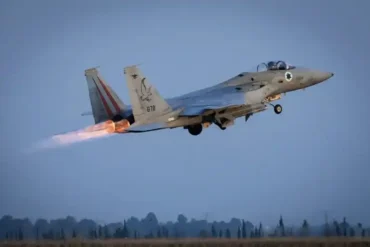
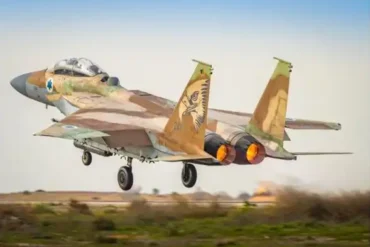
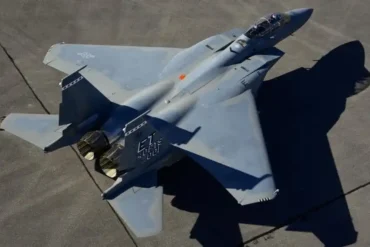
F-15 Baz/Ra’am: The Heavy-Hitting Long-Range Fighter
The F-15 Baz/Ra’am variants are among the most powerful multirole strike aircraft in the IAF’s inventory. These fighter jets have been extensively modified to meet Israel’s specific operational needs, giving them both air-to-air and air-to-ground strike capabilities.
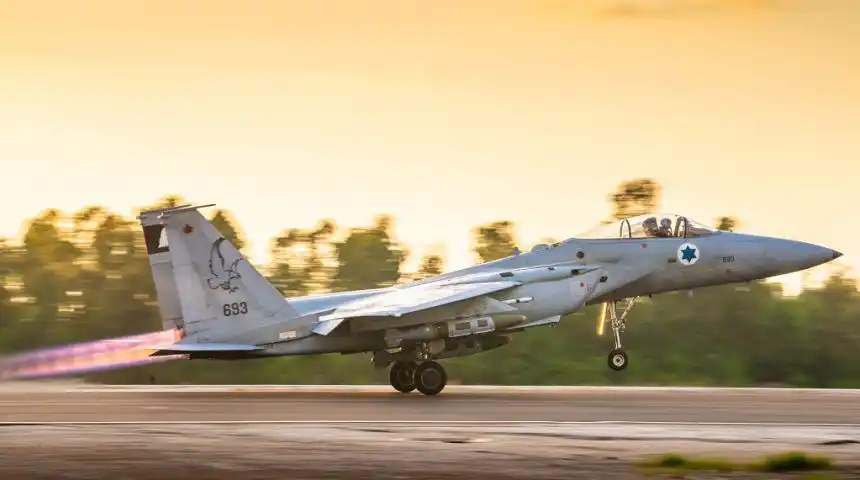
Variants and Features:
- F-15A-D “Baz”: The upgraded F-15A-D features AESA (Active Electronically Scanned Array) radar, which provides superior targeting and tracking abilities. The Baz 2000 configuration enhances the jet’s ability to perform long-range strike missions.
- F-15I “Ra’am”: The Ra’am is a dedicated long-range strike variant, heavily modified with advanced avionics, making it ideal for deep strikes into enemy territory.
Armament:
- The F-15 is typically armed with 3× GBU-31 JDAMs (2,000-lb class) for precision strikes. These are equipped with MXU-735A/B nose plugs for enhanced penetration capabilities.
- The aircraft is also equipped with Elta ELL-8222 ECM pods, which provide electronic countermeasures against enemy radar and missiles, ensuring mission success even in contested environments.
The F-15’s versatility in carrying both guided bombs and air-to-air missiles enables it to conduct a wide range of operations, from high-value target strikes to air superiority missions.
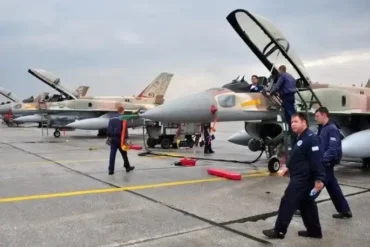
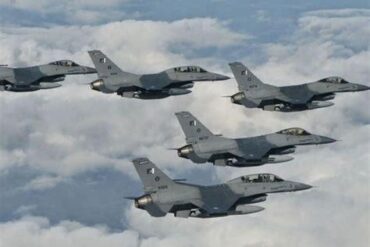
F-16 Sufa/Barak: The Versatile Multirole Fighter
The F-16 has long been a cornerstone of the IAF’s fleet. The F-16I Sufa, an Israeli-specific variant of the F-16, is tailored for long-range precision strike missions.

Variants and Features:
- F-16C/D “Barak”: The upgraded F-16C/D comes with enhanced precision-strike capabilities, including advanced avionics and targeting systems.
- F-16I “Sufa”: The Sufa is customized with conformal fuel tanks and further avionics upgrades, giving it extended range and superior targeting precision.
Armament:
- The F-16 Sufa can carry a variety of munitions, including 4× GBU-31 JDAMs, M117 unguided bombs (which are less frequently used in urban areas), and GBU-54 Laser JDAMs for highly precise strike capabilities.
- The Sufa‘s multirole functionality allows it to conduct both close air support (CAS) and strategic bombing operations, making it a flexible tool in the IAF’s arsenal.
The F-16I’s proven combat effectiveness has been on display in various conflicts, most recently in the 2023 Hamas-Israel war, where it played a key role in striking Hamas targets in Gaza.
2. Helicopters: Close Air Support and Transport
While fighter jets are essential for long-range strikes and air superiority, helicopters provide vital support in close air support (CAS), search and rescue, and troop transport roles.
AH-64 Apache (Peten/Saraph): The Ground-Attack Helicopter
The AH-64 Apache is one of the most potent attack helicopters in service with the IAF. Equipped with an array of advanced weapons systems, the Apache is well-suited for both anti-armor and close air support missions.

Key Features:
- Armament: The Apache is armed with AGM-114 Hellfire missiles, which are capable of striking both fixed and moving targets with great precision. The M230 chain gun allows it to engage ground forces in close proximity, and external fuel tanks extend its operational range.
- Role in Combat: The Apache has been used extensively in urban warfare scenarios, including anti-terrorism operations, where its ability to deliver precise strikes has been critical in minimizing collateral damage.
CH-53 Yas’ur & UH-60 Yanshuf: The Heavy-Lift Helicopters
The CH-53 Yas’ur and UH-60 Yanshuf are the primary transport helicopters used by the IAF. These helicopters are vital for casualty evacuation (MEDEVAC) and troop deployment, making them indispensable for rapid response during conflicts.
Role in Recent Conflicts:
- These helicopters were crucial during the 2023 Hamas-Israel war, where they were utilized for evacuations and troop deployments, ensuring that personnel could be moved quickly and safely in contested areas.
3. Retired/Historical Aircraft
While modern technology dominates the IAF’s fleet, historical aircraft also played a significant role in shaping Israel’s air capabilities.
IAI Kfir: The Multi-Role Fighter of the 1970s
The IAI Kfir was based on the French Mirage 5 but was heavily modified with Israeli avionics and GE J79 engines. While now retired, the Kfir was a mainstay of the IAF during the 1970s and 1980s.
F-4E Kurnass “Super Phantom”
The F-4E Kurnass was an upgraded version of the F-4 Phantom. Equipped with PW1120 engines, it offered enhanced performance over the original. While only a prototype was built, it demonstrated the IAF’s commitment to developing indigenous upgrades for its fleet.
4. Operational Strategies: Precision vs. Stealth
Israel’s approach to air combat is focused on precision strikes using JDAMs and laser-guided munitions, ensuring minimal collateral damage. The IAF’s stealth tactics, particularly with the F-35I Adir, involve radar reflectors to balance between remaining undetected and completing high-priority missions. These strategies highlight the IAF’s ability to adapt to different threats and mission requirements.
5. Recent Deployments and Tactical Impact (2023–2025)
The IAF has demonstrated its operational flexibility through its deployment of F-35Is, F-16s, F-15s, and AH-64s in the recent 2023 Gaza conflict. These aircraft conducted strikes on Hamas targets while simultaneously providing close air support and aerial defense. The ability to integrate stealth fighters with traditional air superiority jets and attack helicopters gives Israel a significant edge in modern warfare.
Conclusion
The Israeli combat aircraft fleet is a sophisticated and highly adaptable force capable of executing a wide range of missions. From stealthy F-35s to long-range F-15s and ground-attack Apache helicopters, Israel’s air power remains unmatched in the Middle East. The IAF’s combination of advanced technology, strategic upgrades, and operational flexibility allows it to maintain a formidable edge in both defensive and offensive operations.
Israel’s continued investment in its combat aviation capabilities ensures that the Israeli Air Force will remain a dominant force in the region, capable of responding rapidly to emerging threats while maintaining a strong deterrent capability.