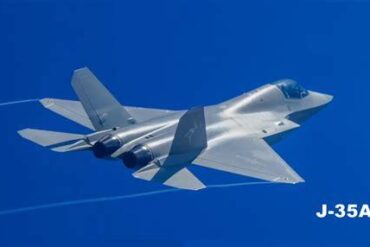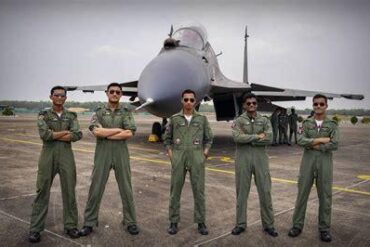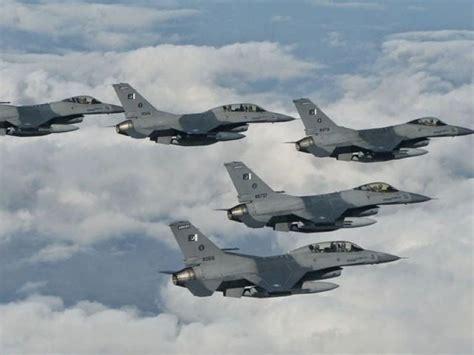
The Indian Air Force (IAF) has commenced a large-scale military exercise near the southern sector of the India-Pakistan international border in Rajasthan, signaling a notable escalation in operational readiness amid heightened geopolitical tensions. The drill, officially announced through a Notice to Airmen (NOTAM), began at 3:30 p.m. on June 7 and is set to conclude by 9:30 p.m. on June 8, encompassing a 30-hour window of intense aerial maneuvers.
The designated airspace has been cordoned off to civilian and unauthorized air traffic, ensuring unhindered execution of military operations during the scheduled period. According to IAF officials, this is not an isolated drill but a continuation of the force’s routine combat preparedness cycle, aimed at maintaining a high level of combat readiness across volatile sectors.
Strategic Location Near International Border Raises Eyebrows
While the IAF maintains that the exercise falls within the spectrum of planned training operations, the geographic proximity to the Pakistan border, especially in Rajasthan’s Barmer and Jaisalmer sectors, imbues the event with strategic undertones. This region has historically been a flashpoint, and recent developments only add to its sensitivity. The timing coincides with lingering tensions from a recent cross-border terror attack in Pahalgam that killed 26 civilians, prompting robust military and diplomatic responses from New Delhi.
Notably, the Ministry of Defence has refrained from publicly linking this aerial exercise to the ongoing standoff, but officials familiar with internal deliberations confirm that Pakistan’s recent airspace restrictions and escalatory rhetoric were considered while finalizing the location and assets involved.
Advanced Fighter Platforms and Surveillance Systems Mobilized
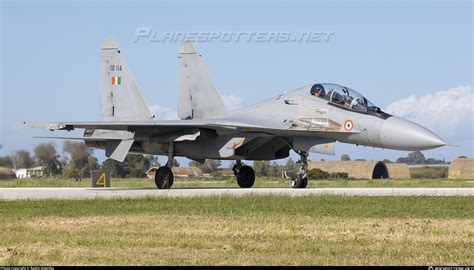
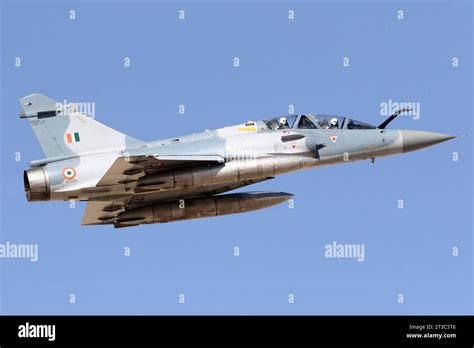
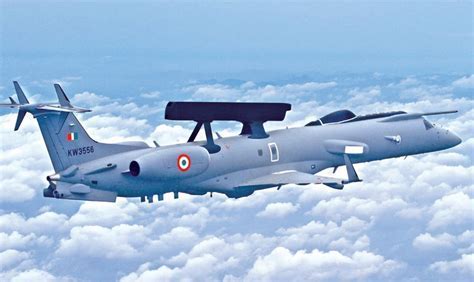
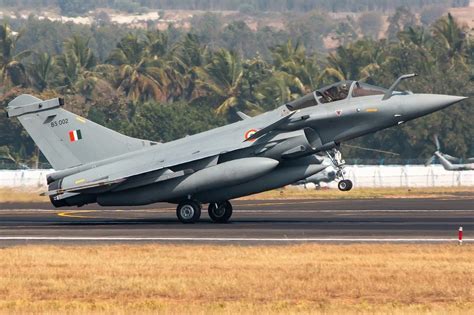
The scale and technological depth of the exercise underscore its significance in the IAF’s peacetime operational doctrine. According to sources within the Air Force, the participating fleet includes frontline aircraft such as the Rafale, Mirage 2000, and Sukhoi-30MKI, supported by airborne warning and control systems (AWACS), ground-based radar arrays, and mid-air refueling tankers.
These assets are expected to engage in a series of day-night sorties, complex intercept and escort missions, and real-time simulated strike operations. This breadth of participation reflects the IAF’s commitment to joint-force operability and mission readiness in the face of both conventional and asymmetric threats.
Airspace Restrictions and Bilateral Fallout
India’s issuance of the NOTAM follows a sharp period of reciprocal airspace closures between India and Pakistan. On April 30, New Delhi prohibited all Pakistani-registered and military aircraft from entering its airspace, a measure that remained in effect until May 23. This step was seen as a direct retaliation to Pakistan’s earlier decision to bar Indian flights, including military and some civilian traffic, from its sovereign airspace.
The decision significantly disrupted regional aviation routes and contributed to diplomatic friction, with both countries lodging formal complaints through diplomatic channels and international aviation bodies. In this context, the current IAF drill serves not only as a tactical training initiative but also a strategic signal of India’s resolve to maintain air dominance and operational depth along contested frontiers.
Backdrop: Operation Sindoor and Pahalgam Attack
The exercise also takes place in the immediate aftermath of Operation Sindoor, a coordinated counter-insurgency mission launched by Indian forces on May 7, in direct response to the Pahalgam massacre. That attack, carried out by heavily armed militants, claimed the lives of 26 civilians, sparking national outrage and leading to a multi-agency security crackdown across Jammu and Kashmir.
While Operation Sindoor has been primarily ground-based, involving special forces, UAV surveillance, and intelligence units, the integration of aerial operations through exercises like the one underway in Rajasthan extends the operational envelope and enhances coordination between the IAF and ground commands.
Geopolitical Messaging Through Force Projection
The visibility and magnitude of the current IAF activity are difficult to interpret as anything but a projection of Indian airpower. Analysts suggest that while routine in classification, such exercises serve multiple concurrent objectives — from doctrinal validation and pilot training to signaling deterrence across borders.
Pakistan, which monitors such activities closely via radar and HUMINT (Human Intelligence), has not issued an official statement. However, media in Islamabad have speculated on the timing and intention behind the drill. In similar past instances, Pakistan has responded with matching exercises or diplomatic protests, emphasizing the delicate balance of escalation and posturing in the region.
Ceasefire Violations and Military Posturing Along LoC
The situation at the Line of Control (LoC) in Jammu and Kashmir has deteriorated over the past month, marked by an uptick in ceasefire violations. Indian defense sources attribute these infractions to cover fire tactics used to facilitate infiltration attempts. The IAF exercise, while geographically situated in Rajasthan, indirectly supports northern theatre commands by reinforcing overall air alertness and rapid deployment capabilities.
Defense analysts also point to the IAF’s enhanced integration with satellite-based reconnaissance and cyber-warfare units as part of its broader modernization roadmap. These elements are likely being tested and synchronized during the current exercise, preparing the service for potential two-front contingencies.
Historical Precedent and Pattern of IAF Exercises
Historically, the IAF has used major exercises not only for training but also for strategic signaling, particularly during periods of border tension. Previous operations such as ‘Gagan Shakti’ in 2018 involved the full mobilization of IAF assets across both eastern and western commands, showcasing the force’s ability to conduct 24/7 operations over a sustained period.
This latest exercise, while smaller in scale compared to Gagan Shakti, retains strategic density due to its timing and location. With the region under tight surveillance and the NOTAM indicating a blanket restriction zone, the exercise simulates contested airspace combat, a crucial competency for modern aerial warfare.
India’s Air Doctrine and Regional Deterrence
The broader implication of such drills lies in their alignment with India’s evolving airpower doctrine, which emphasizes first-response agility, deep-strike capability, and integrated command execution. In a region where air supremacy can dramatically shift the course of conflict in the initial hours, India continues to refine its ability to project force across the entire depth of adversary territory.
This requires precision weapons integration, real-time battlefield networking, and seamless coordination with surface-based systems, all of which are being implicitly validated during the Rajasthan exercise. The synergy between fighter jets, ISR (Intelligence, Surveillance, Reconnaissance) platforms, and electronic warfare assets positions India to meet both symmetric and hybrid threats with layered responses.

Conclusion: A Calculated Display Amid Strategic Ambiguity
While the IAF maintains operational silence beyond the basics of the NOTAM, the symbolism embedded within this military activity is unmissable. Conducting a high-intensity air combat drill near a volatile and closely watched frontier serves multiple purposes: enhancing readiness, training pilots, testing combat systems, and above all, delivering a calculated message of deterrence.
Whether or not it escalates into reciprocal exercises by neighboring forces, or draws commentary from the international strategic community, the current IAF operation marks a measured yet assertive maneuver within the complex matrix of South Asian security dynamics. As the skies over Rajasthan roar with supersonic flyovers and simulated strikes, the **unmistakable tone of preparedness echoes far beyond the desert sands.