The specter of a two-front war has transitioned from strategic theory to active concern as India intensifies operations against cross-border terrorism and observes Chinese advancements along the Line of Actual Control. Operation Sindoor, launched in early May 2025, marked a decisive strike on terror facilities across Pakistan and PoK, showcasing both resolve and the precision capability of the Indian Armed Forces. Yet, even as these missions succeed, questions of preparedness for future aerial conflicts—especially involving stealth technologies and integrated network warfare—loom large.
Why India Must Prepare for a Stealth-Defined Battlespace
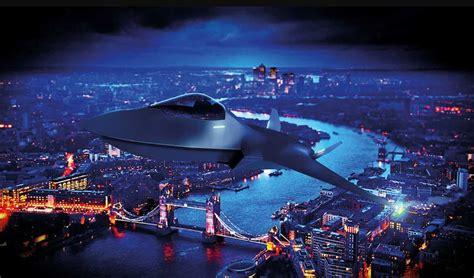
The Indian Air Force (IAF) has long been regarded as a potent regional force, with its pilots regularly outperforming peers during global exercises. However, skill alone cannot negate the technological asymmetry that stealth aircraft introduce into the modern aerial theater. Fifth-generation fighters offer a qualitative leap not only in survivability but in first-strike lethality, stealth characteristics, and data integration. The gulf between fourth and fifth-generation platforms is no longer bridgeable by upgrades alone.
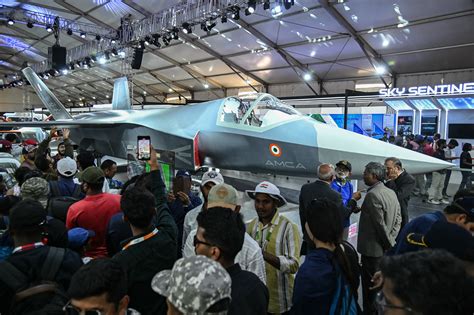
The airstrikes under Operation Sindoor, though precise and effective, also highlight a strategic gap: India’s current fleet mix is rapidly aging. With just 31 active squadrons against a sanctioned strength of 42, and many platforms like the MiG-29, Jaguar, and Mirage-2000 inching toward obsolescence, India cannot afford to delay fifth-gen integration until the indigenous AMCA (Advanced Medium Combat Aircraft) is combat-ready in the 2035 timeframe.
The China-Pakistan Stealth Nexus: A Two-Front Threat Intensifies
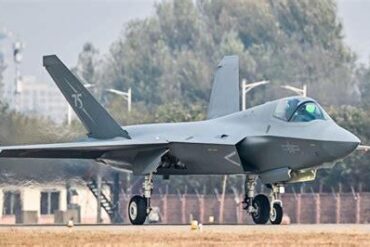
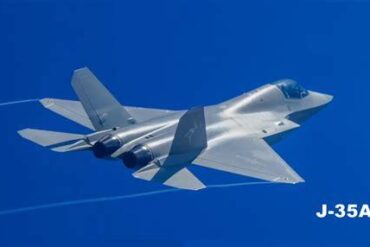
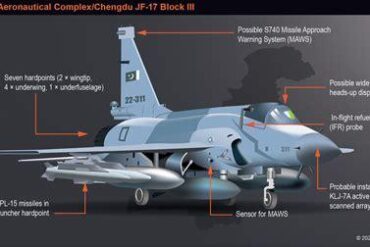
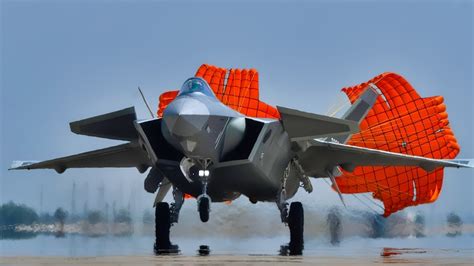
India’s geopolitical landscape has evolved. China has stationed over 150 Chengdu J-20 stealth fighters along its western theater command, facing India’s northern border. Despite performance handicaps at high-altitude bases in Tibet, these jets provide Beijing with critical strategic leverage. Simultaneously, China’s growing defense partnership with Pakistan, including JF-17 support and potential technology transfers, suggests Islamabad may soon benefit from stealth-enabled capabilities—either directly or through tactical integration.
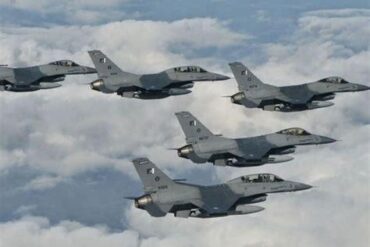
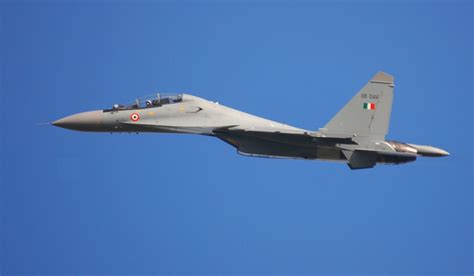
The idea of a future conflict where IAF Su-30MKIs and Mirage-2000s face both J-20s and a stealth-capable Pakistan Air Force is no longer implausible. The strategic calculus must adapt accordingly.
AMCA: A National Dream With A Long Runway
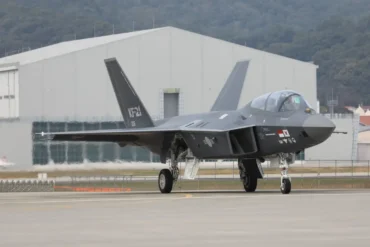
India’s AMCA is a technological marvel in the making, poised to leapfrog even conventional fifth-gen designs with features like AI-enabled systems, modular avionics, internal weapons bays, and supercruise capabilities. With over 75% indigenous content, it promises strategic autonomy and an enduring aerospace ecosystem for future defense needs. The Digital Twin and PLM-based engineering, fused with stealth shaping, is pushing boundaries rarely explored by emerging economies.
Yet, even the most optimistic projections place the first AMCA induction no earlier than 2035. With design finalization, prototyping, flight testing, and production yet to be traversed, the IAF faces a pressing void for the next decade.
The Tejas Legacy and the Rise of Indigenous Capability
The Tejas Light Combat Aircraft (LCA), a fourth-plus generation fighter, has laid the groundwork for AMCA. Its success has been pivotal in building domestic aerospace capability:
- Fly-by-wire flight control developed with Indian R&D support
- Composite airframes and digital avionics suites
- Over 200 local suppliers including MSMEs
- The Uttam AESA radar, now evolving for AMCA
This legacy has cultivated not just aircraft, but a cultural shift—one of persistence, testing, and iterative design. The AMCA will inherit this robust foundation, but it still requires time and capital, which current threats do not permit.
Bridging The Gap: Immediate Need for 5th-Generation Acquisition
India must acquire a stop-gap fleet of 36 to 40 fifth-generation fighters by 2028 to serve as an operational and deterrent buffer until AMCA matures. Possible procurement routes include direct purchase, technology transfer, or leasing—each with its own diplomatic and budgetary ramifications.
Key capabilities required from these aircraft include:
- Stealth and low RCS (Radar Cross Section)
- Supercruise without afterburners
- Sensor fusion with 360° awareness
- Advanced electronic warfare suites
- Multi-role capability in strike and air superiority
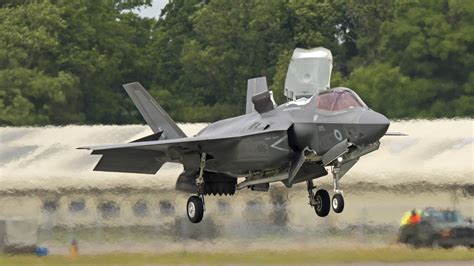
Aircraft such as the F-35 Lightning II, Su-57 Felon, or even co-development options with like-minded partners could fit the IAF’s needs. While operational compatibility, logistical ecosystems, and political dependencies will influence the final choice, the necessity of these fighters is non-negotiable.
Can Upgraded 4.5-Gen Fighters Hold The Line?
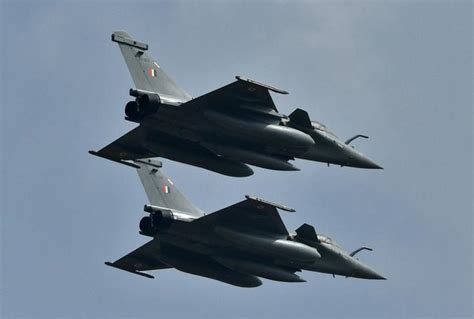
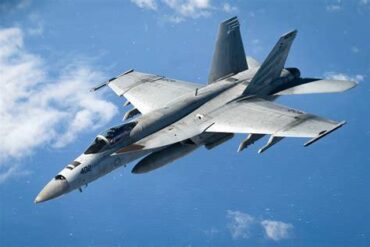
India continues to invest heavily in Su-30MKI upgrades (Super Sukhoi), Rafale F4 enhancements, and the future Tejas Mk2. These will be formidable platforms with AESA radars, IRST sensors, and advanced missiles. However, even the best 4.5-gen jets lack the innate stealth and networked superiority of true fifth-gen fighters.
In Beyond Visual Range (BVR) engagements, 5th-gen aircraft maintain overwhelming advantage. Their ability to engage without being seen—through data fusion, low observability, and long-range missiles—makes them dominant in the opening phases of any air campaign.
In close combat (WVR), a skilled IAF pilot may outfly a stealth adversary. But modern air battles seldom devolve into dogfights; victory often hinges on who sees first and shoots first.
Strategic Roadmap: Theory to Tarmac
To ensure India does not enter future conflicts disadvantaged, a three-pronged strategy must be adopted:
Short-Term (By 2028)
- Acquire 36–40 fifth-generation fighters
- Deploy to western and northern commands
- Integrate with existing IAF data-link and ISR networks
Medium-Term (By 2035)
- Fast-track AMCA prototyping and testing
- Expand HAL and private sector production facilities
- Invest in pilot training for stealth platform operations
Long-Term (Beyond 2035)
- Develop sixth-gen capabilities: AI co-pilots, swarm drones, quantum sensors
- Expand Indigenous AEW&C and air refueling assets
- Establish India as a global defense exporter
The Price of Delay Is Strategic Irrelevance
A nation’s air power defines its geopolitical clout. In today’s environment, a fourth-generation air force cannot remain dominant against stealth-capable adversaries. While AMCA embodies India’s future, an interim squadron of 5th-gen fighters ensures that we remain secure until the future arrives.
India’s fighter jets aren’t just aircraft—they’re sovereign steel soaring at Mach speeds, defending the tricolour against those who challenge its skies. The time to act is now. For every second lost, an adversary tightens its grip on air dominance. Let us not bridge this gap with hope. Let us bridge it with stealth.