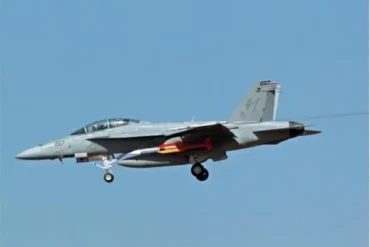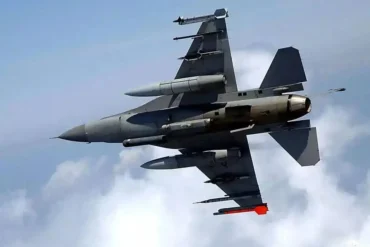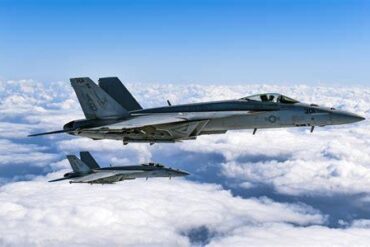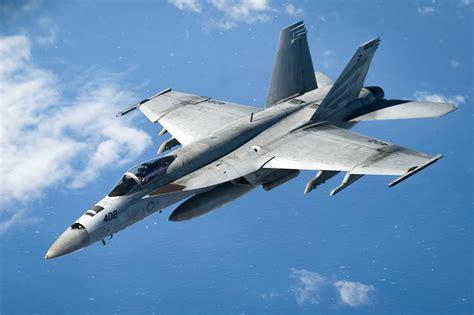
Despite the dazzling allure of fifth-generation stealth fighters dominating headlines and defense budgets, the F/A-18 Super Hornet continues to demonstrate an enduring and perhaps underappreciated value within modern air power. Often perceived as a transitional platform until full fleet-wide stealth capability is achieved, the Super Hornet’s longevity and operational performance demand a deeper examination. As we evaluate the real-world dynamics of modern combat, joint-force integration, electronic warfare, and affordability, the question arises: Is the FA-18 Super Hornet underrated compared to newer 5th-gen fighters?
Carrier-Based Dominance: The Backbone of Naval Aviation
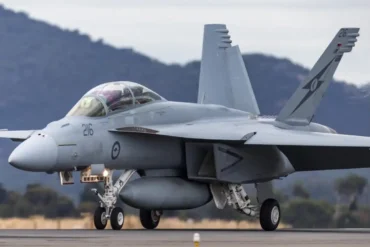
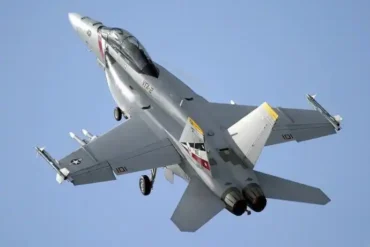
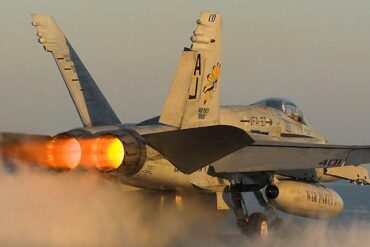
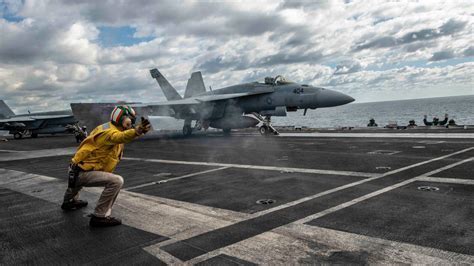
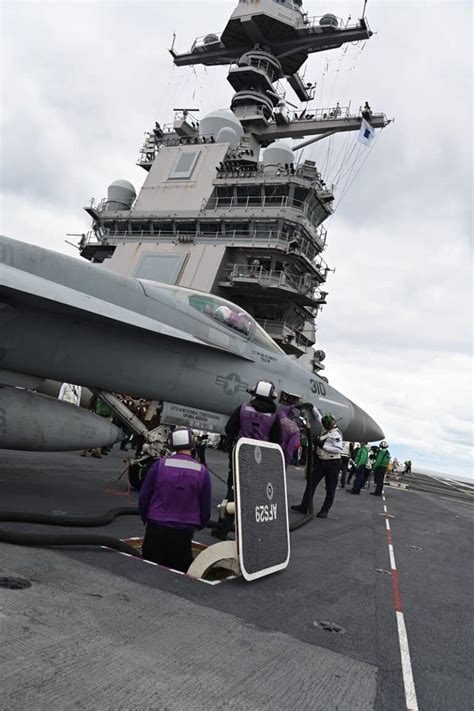
The Super Hornet forms the core of the U.S. Navy’s carrier-based aviation. Its design reflects a deliberate compromise between advanced capabilities and practical constraints of naval operations—catapult launches, tailhook landings, corrosion resistance, and maintainability. As 5th-gen platforms like the F-35C gradually integrate into carrier air wings, the Super Hornet continues to fly as the most flown strike fighter aboard American aircraft carriers.
This dominance is not merely due to legacy, but sustained performance in mission-critical scenarios. In low-altitude, terrain-following strike runs—akin to the dramatic sequences depicted in Top Gun: Maverick—the Super Hornet’s flight characteristics enable it to maneuver through radar-dense environments and deliver precision munitions with agility before climbing out of danger. While Hollywood may exaggerate, real-world mission profiles validate its relevance.
Flexibility Versus Specialization: A Multi-Role Champion
Fifth-gen aircraft like the F-22 Raptor and F-35 Lightning II are engineered around stealth, sensor fusion, and first-look, first-shot lethality. However, this specialization comes with tradeoffs. Reduced external stores, higher operating costs, and complex maintenance chains limit their practicality in many mission sets.
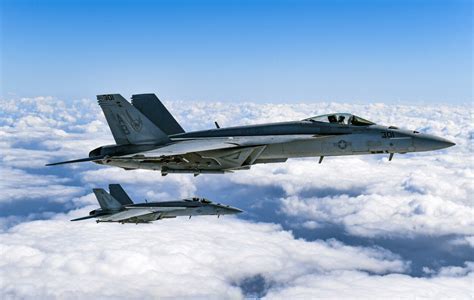
In contrast, the Super Hornet excels as a multi-role platform:
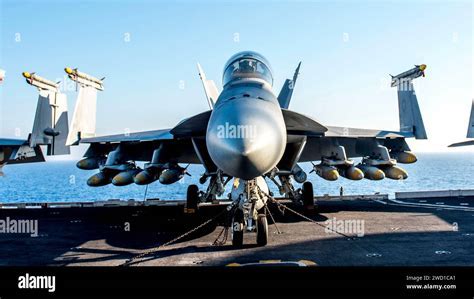
- Air-to-air combat with AIM-9X, AIM-120D, and AIM-174 missiles
- Precision ground strikes with JDAMs, laser-guided bombs, and anti-ship weapons
- Electronic warfare in its EA-18G Growler variant
- Buddy-tanker capability, enabling extended range for fleet operations
- Logistical synergy with carrier deck operations and sustainment infrastructure
The value of this flexibility cannot be overstated. In operational theaters where stealth is not a prerequisite—such as suppression of enemy air defenses (SEAD), maritime patrol, and close air support—the Super Hornet provides a cost-effective and adaptable solution. It does not require the same level of digital infrastructure and has proven far more maintainable in forward-deployed environments.
The Super Hornet in Joint-Force Strategy
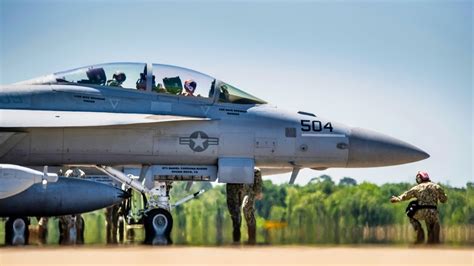
Modern combat is increasingly shaped by networked warfare. Rather than relying solely on one platform to fulfill all roles, current doctrine emphasizes synergy across airframes. In this paradigm, the Super Hornet plays a key part in the kill web—a dispersed, integrated force structure.
Stealth platforms such as the F-35C act as forward sensors, penetrating denied airspace and using Link-16 or MADL data links to pass targeting information to Super Hornets loitering at safer distances. These Super Hornets can then release long-range standoff weapons like the AIM-174 from over 200 miles away, staying outside the engagement zone while delivering lethal payloads.
This team-based dynamic also enables multi-crewed Super Hornet variants to manage complex sensor and weapon tasks that single-pilot stealth fighters might struggle to handle alone in real time. Moreover, Growler escorts ensure jamming, deception, and SEAD missions are seamlessly integrated into offensive and defensive strikes.
Affordability, Availability, and Strategic Value
While the F-35 program commands headlines, it also incurs substantial operating and procurement costs. For nations and naval commands tasked with maintaining readiness across vast operational areas, the Super Hornet’s cost-effectiveness presents a compelling argument for its continued service.
According to U.S. Navy data:
- Operating cost per flight hour for Super Hornet: ~$18,000
- Operating cost per flight hour for F-35C: ~$38,000
- Mission capable rate for Super Hornet: ~70–75%, often higher than early F-35 fleet figures
Budgetary reality and readiness constraints mean that stealth cannot cover every mission set, nor should it. Not every sortie requires evasion of sophisticated integrated air defense systems. For routine patrols, maritime interdiction, and persistent presence missions, the Super Hornet offers unmatched endurance and availability.
Electronic Warfare Supremacy: The Growler Edge
An often overlooked element in this debate is the EA-18G Growler, an electronic warfare variant derived directly from the Super Hornet. It is the only dedicated airborne electronic attack platform in the U.S. inventory post-EC-130 retirement and holds a critical role in denying, deceiving, and disrupting enemy systems.
In potential peer-conflict scenarios, such as operations against near-peer adversaries like China or Russia, the Growler’s ability to conduct electromagnetic spectrum dominance will be indispensable. With upgraded Next Generation Jammer (NGJ) pods and integration into Joint All-Domain Command and Control (JADC2), the Growler-Super Hornet ecosystem represents a uniquely survivable strike and suppression package.
Stealth Isn’t Always the Answer
Despite the allure of stealth, it has operational limitations. The need to carry weapons internally reduces payload. Reflective coatings require high-maintenance environments. Moreover, stealth’s value diminishes in low-threat or saturated operational environments where massed firepower or persistent surveillance matter more than radar cross-section.
Forum discussions referencing the F-117 Nighthawk’s reactivation for GPS-jammed Syria missions between 2014 and 2018 reinforce this point. Even in stealth engagements, laser guidance and EW cover from platforms like the Super Hornet remain critical. The Super Hornet doesn’t just support these missions—it enables them.
Endurance and Evolution: Why It’s Not Going Away
Though the Department of Defense continues to invest in next-generation air dominance, including the F/A-XX project to replace legacy 4th-gen platforms, the Super Hornet will remain operational for years to come. It is already undergoing Block III upgrades, featuring:
- Conformal fuel tanks for extended range
- Advanced cockpit systems
- Improved low observable treatments
- Enhanced network connectivity
These upgrades are not mere stopgaps—they reflect a commitment to keeping the platform relevant alongside 5th-gen assets. In many ways, the Super Hornet is evolving to meet the demands of hybrid warfare, where a mix of stealth, sensors, and survivability is more effective than singular technological superiority.
Conclusion: Misjudged by Comparison, Not by Performance
The FA-18 Super Hornet may lack the exotic stealth contours or media glamour of newer 5th-gen fighters, but it should not be dismissed as obsolete or inferior. Its sustained relevance lies in its operational flexibility, cost-effectiveness, electronic warfare dominance, and integration into joint-force strategy. Rather than acting as a mere placeholder, it is a key enabler—allowing stealth assets to do what they do best while carrying out missions they cannot.
If anything, the Super Hornet is not underrated—it is underrecognized in the face of stealth-era hype. As military planners shift from boutique air superiority to scalable joint-force lethality, the F/A-18E/F will continue to fly—not because it’s the past, but because it’s still critical to the future.