India’s Expanding Air Defence Umbrella
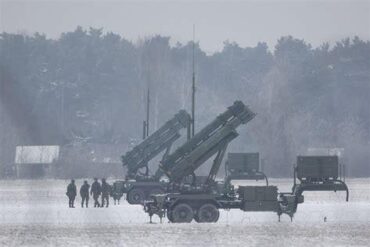
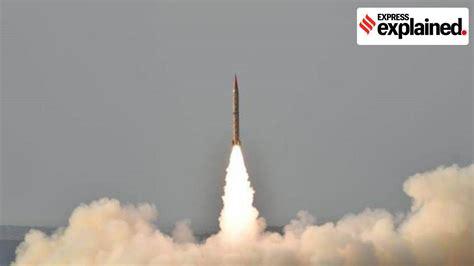
In a significant escalation along its northern borders, India has fortified its air defence network with advanced Surface-to-Air Missile (SAM) systems, notably the S-400 Triumf and the indigenous Akash. This formidable aerial shield was activated on May 8, when Pakistan launched a coordinated attack involving drones and missiles, aiming to overwhelm Indian military installations across 15 strategic bases. The swift response from the Indian Air Force (IAF), leveraging these potent missile systems, successfully intercepted the incoming aerial threats, preventing any significant damage.
The S-400, considered one of the world’s most advanced air defence systems, was deployed along the northern frontiers following the delivery of three squadrons from Russia. With additional squadrons expected by the end of this year, this system forms a critical part of India’s layered air defence network. This move is part of a broader strategy to counter increasing aerial threats, including Unmanned Aerial Vehicles (UAVs) and long-range missiles, from its western adversary.
The Role of S-400 in India’s Air Defence Strategy
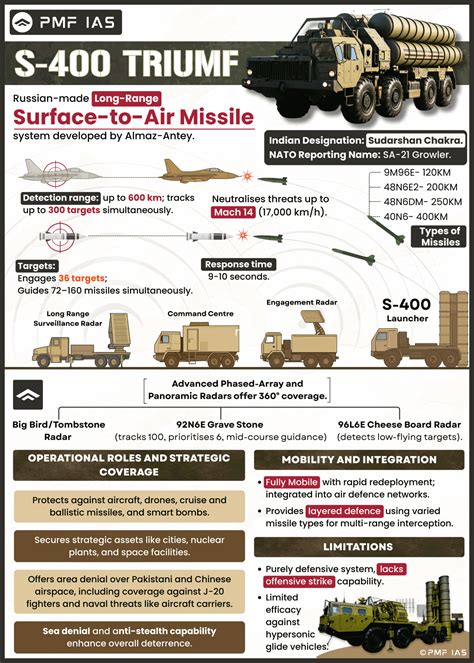
The S-400 Triumf, developed by Almaz-Antey, is a long-range SAM system designed to counter a wide range of aerial threats, including fighter jets, ballistic missiles, and stealth aircraft. It offers an impressive operational range of up to 400 km and can engage up to 80 targets simultaneously. The system is equipped with four missile variants, each optimized for different threat profiles, including the ultra-long-range 40N6 and the highly maneuverable 9M96E. Key features include:
- Multi-layered Detection: Advanced radar systems capable of detecting stealth targets and low-flying cruise missiles.
- High Mobility: Rapid deployment and redeployment capabilities, critical for dynamic battlefields.
- Integrated Command and Control: Seamless integration with India’s air defence command for rapid target identification and engagement.
Given its reach and precision, the S-400 forms a critical component in defending high-value targets like air bases, command centers, and critical infrastructure from deep strikes.
Akash: India’s Indigenous SAM Backbone
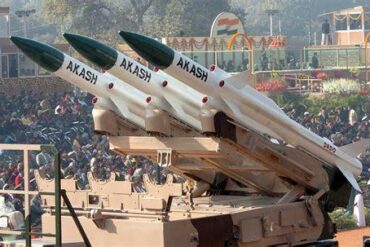
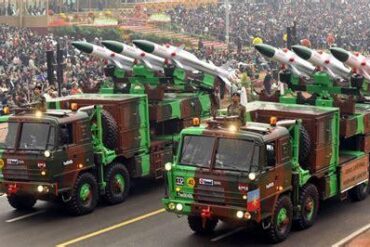
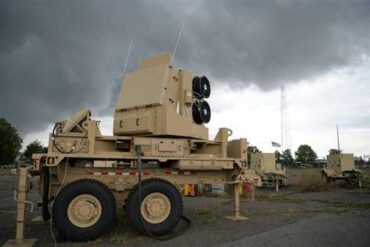
Alongside the S-400, India’s Akash missile system forms the backbone of its medium-range air defence. Developed by the Defence Research and Development Organisation (DRDO), the Akash is a fully indigenous system designed for quick deployment and high-mobility operations. It has a range of 25-30 km and can target aerial threats flying at speeds up to Mach 2.5. The Akash’s phased array radar allows it to track multiple targets simultaneously, providing robust point and area defence against hostile aircraft and missiles.
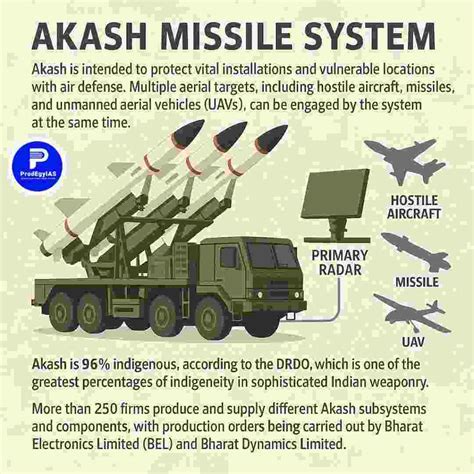
Notably, the Akash is designed to operate effectively in all-weather conditions and can be integrated into a broader air defence grid, making it a versatile asset in India’s layered defence strategy. It has seen multiple upgrades over the years, including the Akash-NG (New Generation), which offers improved range and accuracy.
Pakistan’s Aerial Assault: A Tactical Overview
The recent Pakistani drone and missile attack reportedly targeted key IAF bases like Ludhiana and Awantipora, which are known to host critical air and ground assets. According to military sources, this attack was part of a broader strategy to disrupt India’s military infrastructure using swarms of low-cost drones and missile volleys aimed at saturating India’s defences.
The IAF’s rapid activation of its Integrated Counter UAS Grid played a critical role in this defense, combining electronic jamming, radar tracking, and kinetic intercepts to neutralize the incoming threats. This grid relies heavily on systems like the S-400 and Akash, as well as other short-range systems like the Barak 8 MRSAM and S-125 Pechora, creating a layered defence capable of countering multiple, simultaneous aerial threats.
Loitering Munitions and Counterstrikes
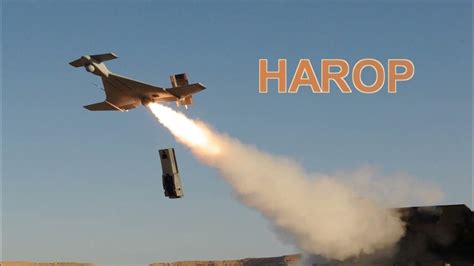
In retaliation, Indian forces deployed loitering munitions like the HAROP and HARPY drones, striking key Pakistani military targets, including an air defence system in Lahore. These munitions are uniquely suited for modern aerial warfare, capable of hovering near a target area before diving into their designated target for maximum impact. Their deployment highlights a growing trend in precision, autonomous warfare, where long-endurance platforms play a crucial role in disrupting enemy air defence networks.
Conclusion: Strengthening the Shield
As regional tensions remain high, India’s investment in advanced SAM systems like the S-400 and the indigenous Akash represents a significant step toward achieving comprehensive air defence. These systems not only offer robust protection against conventional aerial threats but also provide a critical deterrent against the evolving tactics of adversaries. With ongoing upgrades and expanded deployment, India is set to enhance its defensive posture, ensuring its skies remain secure in the face of growing challenges.