In a dramatic escalation of hostilities between India and Pakistan, a series of powerful explosions were reported at three Pakistani Air Force bases in the early hours of Saturday. The targeted bases included Nur Khan Air Base in Rawalpindi—located dangerously close to Islamabad and Pakistan’s military headquarters—alongside Murid Air Base in Chakwal and Rafiqui Air Base in Punjab province. These coordinated blasts triggered the complete closure of Pakistani airspace to civilian air traffic and sent shockwaves across the region, particularly as simultaneous explosions echoed through Srinagar in India’s Kashmir valley.
Strategic Target: Nur Khan Air Base in Rawalpindi
The Nur Khan Air Base, formerly Chaklala Air Base, represents the operational heart of Pakistan’s aerial logistics and high-level VIP movement. Situated barely 10 kilometres from Islamabad, its proximity to the Pakistani military command structure makes it one of the most critical air assets in the country. Eyewitnesses in Rawalpindi reported a sequence of loud detonations followed by intense military mobilisation. Several videos emerged showing plumes of smoke and fires engulfing sections of the airbase, although official confirmation remains limited due to restrictions on independent media verification.
The explosion at Nur Khan is particularly significant because of its dual function as both a refueling depot and a command centre for high-level government air travel, including that of the Prime Minister and senior military brass. Its strike reveals a calculated breach of Pakistan’s aerial security perimeter.
Drone Warfare Epicentre: Murid Air Base Under Fire
Equally alarming was the blast at the Murid Air Base, Pakistan’s principal unmanned aerial vehicle (UAV) hub. Located in Chakwal, this facility manages Pakistan’s rapidly growing drone warfare capabilities. It houses a lethal combination of indigenous surveillance and combat drones—such as the Shahpar I and NESCOM Burraq—as well as foreign-acquired platforms like Turkey’s Bayraktar TB2 and the newly operational Akinci-L, known for their combat efficacy in international theatres like Ukraine.
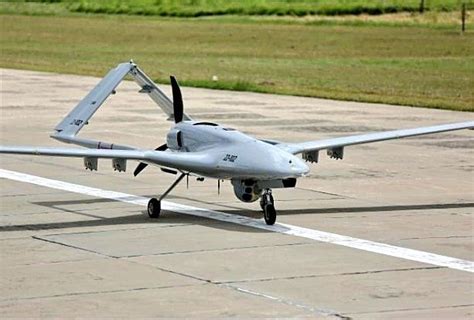
This installation, acting as the neural center for Pakistan’s drone strike operations, has been instrumental in recent cross-border activities. Its targeting suggests not only a military intention to cripple Pakistan’s drone fleet but also a strategic move to undermine Pakistan’s ability to carry out precision attacks against Indian positions.
Rafiqui Air Base: A Fighter Jet Nerve Centre
The third base hit, PAF Base Rafiqui near Shorkot in Punjab province, is home to a major contingent of Pakistan’s manned fighter aircraft. This base reportedly houses units of the Chinese JF-17 Thunder, French Mirage 5, and Alouette III helicopters, forming a significant component of Pakistan’s aerial offensive capabilities. Known for its operational readiness, Rafiqui has served as a springboard for past combat air patrols and emergency strike missions.
Damage to Rafiqui severely impacts Pakistan’s air-to-air and air-to-ground response capacities, especially amid a rapidly deteriorating regional security climate. Any degradation here impedes Pakistan’s capacity to launch sorties or intercept missions, essentially curtailing its reactive bandwidth in a potential conflict scenario.
Srinagar Explosions: A Synchronized Tactical Response?
As news of the blasts in Pakistan broke, a series of explosions were simultaneously reported in Srinagar, the summer capital of Jammu and Kashmir. Though Indian authorities have not publicly linked the Srinagar events to the attacks on Pakistani airbases, the timing suggests a broader theatre of operations in motion. Local residents described pre-dawn explosions and an uptick in Indian military activity, pointing to defensive operations or preemptive measures.
Eyewitness accounts and reports from media embedded in Srinagar indicated that several of the blasts may have stemmed from intercepted drones or localized retaliatory shelling, highlighting the tense and highly kinetic environment along the Line of Control (LoC).
Airspace Lockdown: A Nation on High Alert
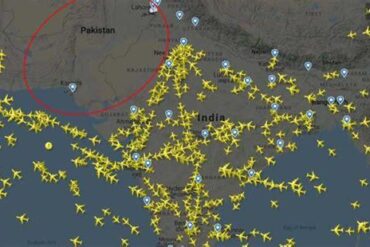
Following the blasts, Pakistan shut down its entire airspace to civilian and commercial aircraft. The action, communicated via a NOTAM (Notice to Airmen), drew immediate international concern. Flights were diverted or cancelled en masse, particularly those transiting through Pakistani air corridors linking Europe, the Middle East, and South Asia.
This closure was prompted by India’s accusation that Pakistan was using civil airliners as cover while executing drone missions. According to Indian military spokespersons, including Colonel Sofiya Qureshi and Wing Commander Vyomika Singh, Pakistan deliberately kept commercial traffic active during its drone strikes to complicate Indian air defence decisions, thus endangering civilian lives.
India Repels Drone Swarm: A Tactical Triumph
On the night of May 8–9, India reported the largest drone assault ever launched by Pakistan, involving over 300 UAVs deployed across a 2,000 km operational spectrum. Targets ranged from Leh in the north to Sir Creek in the south, focusing on airfields, forward military outposts, and civil aviation sites.
The Indian Air Force and Army countered the incursion with a multi-layered defence shield, utilizing systems such as the Barak-8 missile defence, S-400 Triumph batteries, Akash surface-to-air missiles, and indigenous anti-drone jammers and laser weapons. Several drones were destroyed mid-air, while others were brought down by electronic interference and physical interceptors.
This swift and coordinated response represents a major tactical victory for India, showcasing both technological superiority and strategic preparedness against asymmetric threats.

Drone Warfare: A New Age of Conflict
The incidents mark a dramatic shift in the operational doctrine of Indo-Pak conflict zones. Drones have emerged as both a symbol and tool of escalation, allowing for deep penetration missions with minimal risk to personnel. However, the associated risks—such as collateral damage, civilian casualties, and airspace misuse—carry immense strategic and ethical implications.
India’s successful repulsion of such a large-scale attack not only underscores its growing air defence capabilities but also raises urgent questions about Pakistan’s use of mixed aerial strategies, particularly involving dual-use civil-military air corridors.
International Implications and Diplomatic Repercussions
The current escalation has already drawn concern from global aviation bodies and neighbouring countries, including Iran and China. If left unchecked, the frequent militarization of shared airspace could lead to unintended international incidents. The use of civil aircraft as shields during military operations may also prompt a UN Security Council debate on updating norms for airspace conduct in conflict zones.
Meanwhile, diplomatic backchannels between India and Pakistan remain unusually silent. Both countries have refrained from activating their military hotlines and no Track-II dialogue initiatives have emerged so far.
Conclusion: A Region on the Brink
The synchronized attacks on Pakistan’s most critical airbases—Nur Khan, Murid, and Rafiqui—signal a watershed moment in South Asia’s military posturing. Combined with the drone battles over Indian airspace, and the closure of Pakistan’s skies, the region now teeters on the edge of a broader conflict. With nuclear-armed adversaries exchanging blows both kinetically and electronically, the stakes have never been higher.
Only time will reveal whether this was a prelude to deeper escalation or a wake-up call for diplomatic re-engagement. For now, South Asia watches with bated breath, its skies lit not by stars, but by the terrifying glow of war machines.