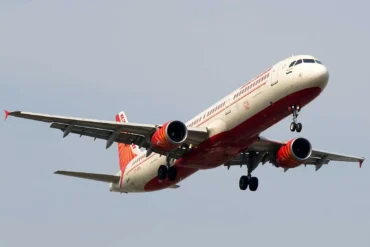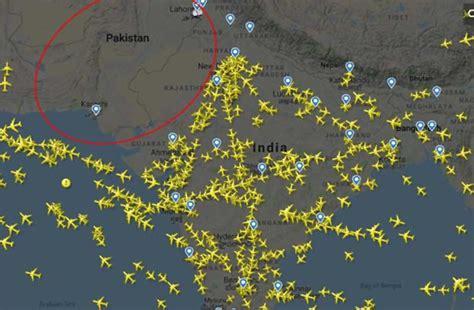
The prolonged closure of Pakistani airspace to Indian carriers is inflicting crippling financial losses on Air India, threatening the sustainability of its long-haul operations and jeopardizing its broader profitability roadmap. As the restriction stretches past 40 days, the economic fallout has crossed Rs8.2 billion for the national carrier, sparking internal alarm and urgent government correspondence.
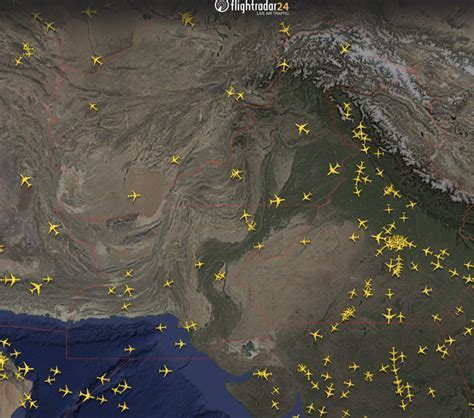
The ban, which came into effect on April 24, forces Air India to circumvent Pakistani airspace on its transatlantic and European routes. The immediate consequence has been fuel-intensive detours, emergency technical stops in European cities, and mounting operational inefficiencies that have cumulatively ballooned into daily losses of Rs200 million.
Air India’s Financial Wounds Deepen Amid Ongoing Crisis
According to aviation insiders, the rising cost is not merely a temporary strain but an emerging existential threat to Air India’s recovery plans. The situation has become so critical that CEO Campbell Wilson has taken the unusual step of writing to the Indian government, laying bare the scale of the losses and the risk of prolonged unsustainability. In his communication, Wilson reportedly emphasized that continuing restrictions could derail the airline’s fragile financial rebound.
The numbers are stark: with approximately Rs200 million evaporating each day, operational margins are collapsing. Flights destined for North America now require refueling halts in cities like Vienna and Copenhagen, converting what were once direct flights into longer, more expensive journeys that also stretch crew duty hours and complicate scheduling logistics.
Vihaan Transformation Plan in Jeopardy
Air India had previously charted out a five-year transformation strategy titled ‘Vihaan.AI’, launched in September 2022, with the ambitious target of achieving profitability by FY 2027. While the plan factored in long-standing structural issues—such as fleet modernization, service upgrades, and digital overhauls—it did not account for geopolitical disruptions like the Pakistani airspace ban.
“It will still take a little bit more time to achieve what we want to achieve,” Wilson told The Economic Times, acknowledging that the closure threatens to delay the timelines outlined in Vihaan. Each day lost to detours, fuel waste, and scheduling chaos chips away at the carrier’s narrow margins, placing future milestones under strain.

Diplomatic Fallout: Airspace Closure Rooted in Tensions
The genesis of the airspace ban is rooted in rising diplomatic tensions between India and Pakistan, which led to a formal denial of overflight rights for Indian commercial aircraft. Unlike brief closures following cross-border incidents in the past, this one has extended with no diplomatic breakthrough in sight.
A senior aviation official characterized the situation not as turbulence but a “full-blown storm” that is reshaping India’s international aviation landscape. “Flight logistics are unraveling, operational costs are spiking, and route planning is now hostage to geopolitics,” he warned.
In the absence of a quick resolution, experts say that Air India and other Indian carriers may soon be left with only two options: cut less profitable international routes or pass on the costs to passengers in the form of higher fares.
Ripple Effects Across the Indian Aviation Ecosystem
While Air India has taken the spotlight due to its transparent disclosures and the scale of its long-haul operations, other Indian airlines—particularly those with flights to the Gulf, Europe, and the US—are reportedly enduring parallel financial pain. Although exact figures are not disclosed, industry insiders estimate cumulative losses across carriers to be in the tens of billions of rupees.
Unlike Air India, which operates long-haul widebody flights regularly affected by the closure, private carriers such as Vistara and IndiGo face disruptions mainly on medium-haul routes, where rerouting can still involve significant fuel and crew costs. The ban not only affects point-to-point revenue but also jeopardizes connecting flight schedules, slashes on-time performance, and diminishes competitiveness against international carriers flying unaffected routes.
Operational Inefficiencies: A New Normal?
The daily detours involve more than just longer flight times. Turnaround schedules are harder to maintain, creating a cascading effect on ground staff availability, gate assignments, maintenance windows, and interline agreements. This operational friction results in passenger dissatisfaction, increased complaint volumes, and in extreme cases, canceled flights when fuel buffers and crew hours cannot accommodate the detour-induced delays.
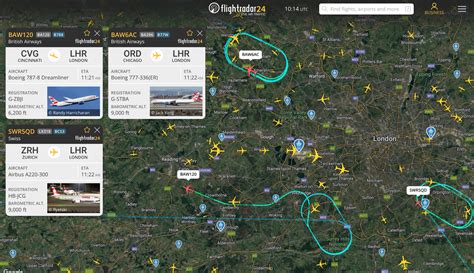
Adding further strain, rerouted flights now compete for scarce refueling slots at secondary airports like Vienna, which are not traditionally set up to handle this volume of long-haul stops. This has increased congestion, lengthened ground time, and sometimes forced airlines to seek alternate airports last minute.
Government Response and Diplomatic Pressure
The Indian government, while cognizant of the growing losses, has so far offered no public timeline for resolution. External Affairs Ministry officials remain tight-lipped, indicating only that “appropriate channels” are being engaged. Behind the scenes, backdoor diplomacy is reportedly ongoing, but the complexity of broader India-Pakistan relations limits rapid solutions.
Sources suggest that Air India’s written plea may accelerate diplomatic dialogue, but without concurrent pressure from global aviation bodies or multilateral organizations like ICAO, there’s limited leverage to compel Pakistan to lift the ban unilaterally.
Passenger Experience Takes a Hit
Frequent flyers have not been spared either. Flight durations have increased by 90 minutes or more, especially on routes from Delhi and Mumbai to North America. Layovers that once were unnecessary are now built-in, and ticket prices have seen marginal hikes to offset growing operating costs. For business travelers and families alike, this has translated into reduced convenience, longer journey times, and rising frustration.
Social media complaints have risen in parallel, with many questioning why alternative air corridors cannot be negotiated or why passengers are paying more for diminished service. Air India, to its credit, has maintained transparency, but brand equity is under threat as consumer patience wears thin.
What Lies Ahead: Crisis or Turning Point?
If the closure extends into months, not weeks, strategic recalibration may become inevitable. Air India may be forced to suspend or consolidate North American routes, especially those operating at marginal profitability. Fuel hedging strategies and lease renegotiations could soften the financial blow, but these are short-term patches on a gaping wound.
Some experts suggest that greater regional cooperation, involving Gulf states or Central Asian air corridors, could offer alternative flight planning options. However, these would require substantial diplomatic legwork, complex overflight negotiations, and potential cost-sharing agreements between carriers.
Conclusion: An Industry at Crossroads
The Pakistani airspace ban is proving to be more than a bilateral spat—it’s becoming a litmus test for the resilience of India’s civil aviation framework. Air India, already amid a high-stakes transformation, is taking the brunt of the impact. But the collateral damage spans the entire sector, from budget carriers to ground staff, passengers to government planners.
Until a resolution emerges, the daily burn rate of Rs200 million will continue to haunt balance sheets and boardrooms alike. Whether this crisis triggers long-overdue reforms in contingency planning and regional aviation diplomacy, or ends as a footnote in an otherwise turbulent era of Indian aviation, remains to be seen.