Russian Media’s Shift: Aligning With Pakistan and China
Recent developments have drawn significant attention to a pro-Pakistan tilt observed in Russian media, particularly in their coverage of India’s Operation Sindoor. This shift, evident across both mainstream and social media platforms, has raised questions about the growing alignment between Russian narratives and those promoted by Pakistan and China.
During the opening night of Operation Sindoor on May 7, Pakistani claims of downing five Indian fighter jets were prominently featured across Russian media, despite the lack of concrete evidence such as cockpit footage, radar logs, or geolocated imagery. Indian officials have consistently challenged these assertions, yet Russian outlets have been reluctant to highlight the rebuttals, thereby indirectly bolstering Pakistan’s narrative.
Wild Claims Without Evidence
A concerning aspect of this coverage is the willingness of Russian outlets to echo unsubstantiated Pakistani claims. This includes content from Pakistani-affiliated social media that was later proven inaccurate. Despite credible counter-evidence presented by India, Russian media often overlooked or failed to report on these refutations.
Typically, military-focused Russian social media pages such as Military Informant, Rybar, and Two Majors have maintained disciplined and evidence-based reporting. However, during Operation Sindoor, these platforms did not apply their usual rigor. The apparent lack of fact-checking marks a departure from their earlier practices, where shootdown claims were taken seriously only if supported by cockpit videos or radar data.
Ignoring India’s Operational Success
Despite Pakistan’s retaliatory strikes during Operation Sindoor lacking clear military objectives, Russian media narratives have been dismissive of India’s tactical successes. The Indian Air Force (IAF), while constrained by self-imposed engagement rules, successfully conducted targeted strikes against cross-border terror infrastructure on May 7, avoiding Pakistani military assets to prevent escalation.
In contrast, Pakistan’s actions appeared uncoordinated, with each retaliation met with calibrated Indian responses. After India’s decisive strike on May 10, a ceasefire was established, yet Russian media downplayed these outcomes, focusing instead on Pakistani claims of success.
The Growing Influence of China
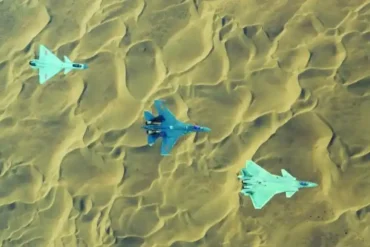
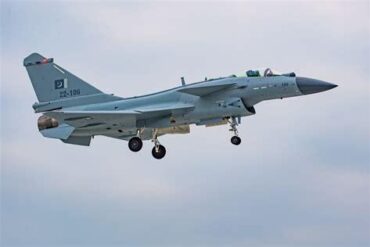
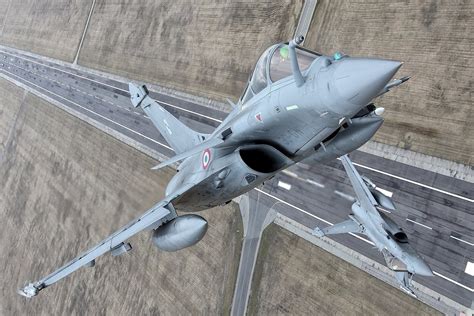
The pro-Pakistan bias in Russian media can, in part, be attributed to Russia’s strategic realignment with China. As Russia increasingly leans towards Beijing, media narratives seem influenced by the China-Pakistan axis, often elevating the performance of Chinese military hardware. For instance, claims suggesting that Chinese-supplied J-10 fighters outmatched Indian Rafales were enthusiastically circulated, contrasting with the restrained coverage when similar claims involved US-supplied F-16s.
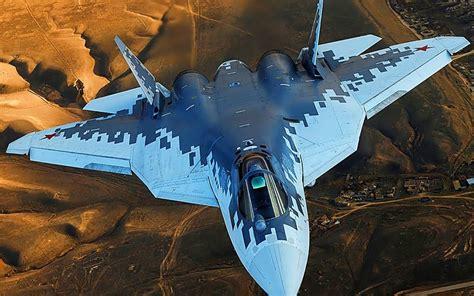
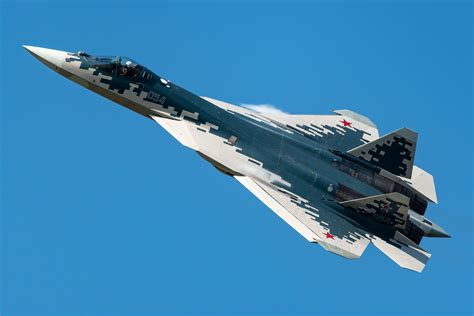
This stance indirectly supports the Russian Su-57 narrative as a better option for India, particularly as Russian state-linked outlets suggest that Rafales are no match for Chinese J-10s. Such assertions are surprising given India’s historical defense ties with Russia and its reliance on Su-30MKIs, which, unlike the Rafale, have been portrayed positively.
Emotional and Strategic Undertones
Russia’s growing frustration over India’s defense procurement from Western countries further explains the critical stance towards the Rafale. India’s increasing reliance on French, US, and Israeli military equipment is seen by some Russian media as a departure from the long-standing Indo-Russian defense partnership.
The emotional undertone driving the narrative that Rafales are overrated reflects a sentiment within Russian defense circles, where the Su-30MKI continues to be hailed as a superior choice despite India’s pragmatic approach to modernization and capability enhancement.
Uncritical Echoes of Sensationalism
In particular, platforms like Reporter—often known for sensational content—have been especially vocal, suggesting that India should abandon the Rafale and procure the Su-57 instead. Such coverage not only undermines India’s strategic decisions but also disregards the operational realities faced by the IAF during Operation Sindoor.
The Road Ahead for India
India must take note of this narrative shift within Russian media. While it may not directly impact official bilateral relations, it signals a potential cooling of sentiment. Russia’s increasing proximity to China has altered perceptions, potentially influencing how Indian military successes are viewed and reported.
To counter this, India might consider actively engaging with Russian media to present accurate accounts and highlight the Rafale’s operational achievements. Furthermore, building broader media relations that challenge biased narratives could help preserve India’s strategic image in Russian public discourse.
As the geopolitical landscape shifts, New Delhi must remain vigilant and proactive in addressing media perceptions that could shape public opinion and diplomatic relations.