A bold new chapter in global aviation is unfolding as Emirates partners with an elite circle of legacy carriers — Delta Air Lines, Singapore Airlines, Qatar Airways, Cathay Pacific, Air France, and Lufthansa — to roll out the ultra-modern Airbus A350 across their global networks. This landmark collaboration reflects a growing alignment among top-tier airlines to not only modernize fleets but also to elevate the in-flight experience in a competitive, sustainability-focused industry.
The Emirates A350 Debut: A Regional Strategy with Global Vision
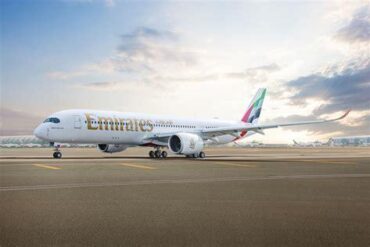
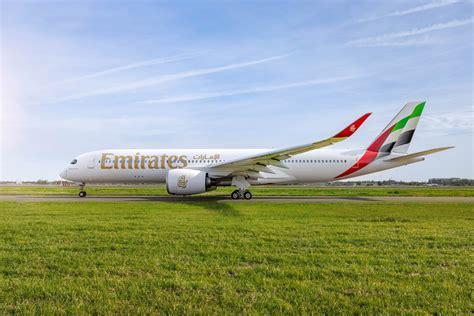
On July 8, 2025, the Gulf aviation powerhouse made headlines with the official launch of its Airbus A350-900 on flights to Dammam, Saudi Arabia. The aircraft’s arrival at King Fahd International Airport was met with full ceremonial honors — including a water cannon salute and a high-profile reception — underscoring its significance in Emirates’ operational roadmap.
This was not a routine fleet change. It was a carefully orchestrated statement of intent. With the A350’s entry into Dammam, Emirates is signaling its strategic shift toward next-generation aircraft for short- and medium-haul operations that require premium service but not the high capacity of its A380 fleet.
Why the Airbus A350? Performance, Comfort, and Efficiency
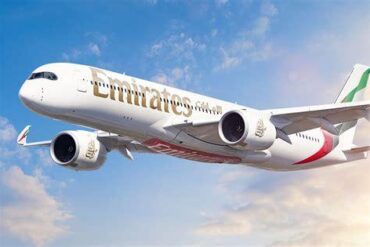
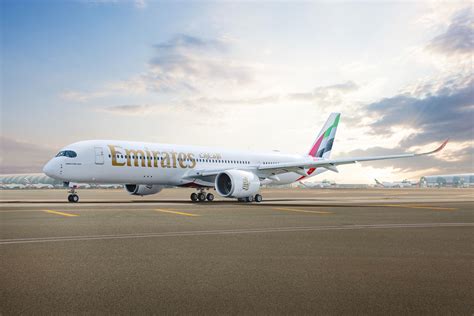
The Airbus A350 stands out in a saturated wide-body market due to its composite fuselage, fuel efficiency, low noise emissions, and passenger-centric design. It represents a convergence of operational pragmatism and aspirational travel, ticking all the boxes for modern airliners.
Emirates’ A350-900 configuration is tailored with 312 seats across three cabins:
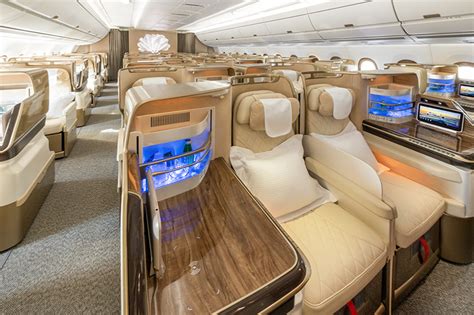
- Business Class: 32 private suites equipped with sliding doors, lie-flat beds, direct aisle access, and 20-inch HD monitors for a fully immersive experience.
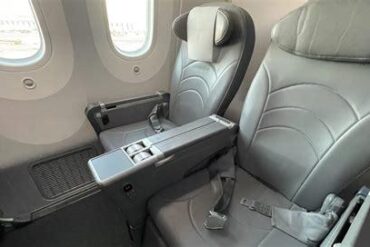
- Premium Economy: A growing star in the Emirates lineup with 21 seats offering 38-inch pitch, plush leather upholstery, wider armrests, and a quieter cabin thanks to superior noise insulation.
- Economy Class: 259 ergonomically designed seats with adjustable headrests and in-seat power, coupled with Emirates’ ice entertainment system that includes Wi-Fi access even on short flights.
What’s missing is equally telling: no First Class. The absence of this ultra-premium cabin signals Emirates’ intent to use the A350 for routes where flexibility, frequency, and efficiency matter more than opulence.
Dammam: First, but Not the Last
Dammam becomes the first Saudi city to host Emirates’ regular A350 operations via flights EK827/828, solidifying the carrier’s presence in a market pivotal to its regional strategy. This move complements its existing services to Riyadh, Jeddah, and Madinah, and comes on the heels of A350 deployments to Bahrain and Kuwait earlier in 2025.
Saudi Arabia’s rapid transformation under Vision 2030 makes it an essential puzzle piece for any airline serious about Gulf dominance. From burgeoning tourism infrastructure to the rise of economic mega-projects, the Kingdom is driving sustained demand for premium air connectivity.
Partnerships with the Titans: Why It Matters
What sets this development apart is the unprecedented level of cross-alliance alignment. Emirates isn’t the only carrier pushing A350 integration — its move is part of a broader wave of deployments by some of the world’s most influential airlines:
- Delta Air Lines: Leveraging the A350 for transpacific and transatlantic routes with a focus on fuel efficiency and Delta One Suites.
- Singapore Airlines: A long-time A350 pioneer, known for ultra-long-haul flights and luxury cabin innovations.
- Qatar Airways: A direct regional rival, using the A350 for global expansion with high emphasis on Qsuite privacy.
- Cathay Pacific: Capitalizing on Hong Kong’s reopening by expanding its A350-operated network into Europe and North America.
- Air France and Lufthansa: Both deploying A350s for fleet renewal and EU emissions compliance, while modernizing long-haul cabins.
This synchronized shift toward A350 deployment among such heavyweights suggests a collective recalibration of airline strategies — moving from excessive capacity to high-yield efficiency and passenger comfort.
Sustainability: More Than a Buzzword
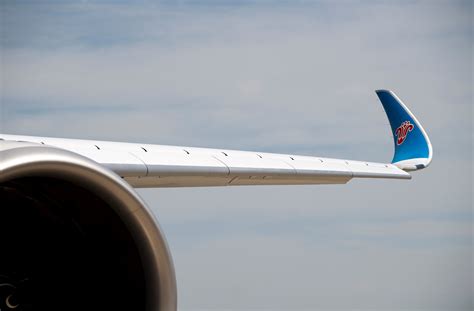
The Airbus A350 is a keystone in Emirates’ path toward environmental responsibility. It offers up to 25% lower fuel consumption than older wide-body aircraft thanks to its carbon-fiber fuselage, efficient Rolls-Royce Trent XWB engines, and aerodynamic winglets.
Beyond emissions, the A350 contributes to passenger well-being. Its advanced cabin air filtration, lower cabin altitude, larger windows, and reduced noise levels are more than aesthetic enhancements — they create a tangible difference in comfort and post-flight recovery.
Premium Economy: The New Battlefront
Among the most significant shifts in strategy is the rapid emergence of Premium Economy as a middle ground between Business and Economy. Emirates has recognized this trend and is making Premium Economy a cornerstone of its A350 experience.
Airlines across the Gulf are eyeing this segment as travelers — especially those on corporate budgets or affluent leisure passengers — increasingly seek added value without the full Business Class premium. Emirates’ early investment in this configuration gives it a head start as competitors scramble to retrofit or expand their offerings.
Fleet Expansion and Route Strategy Through 2030
Emirates has placed firm orders for 65 Airbus A350 aircraft, all set to be delivered by the end of the decade. While the initial wave is focused on high-frequency regional and mid-range routes, future plans include:
- Expansion into European hubs like Vienna, Rome, and Zurich
- Increased coverage in South Asia, including Kathmandu, Colombo, and Dhaka
- Entry into secondary African cities where A380 deployment isn’t feasible but demand for premium service exists
These deployments reflect a fleet segmentation strategy, wherein Emirates will balance A380s on trunk routes, 777s for global flexibility, and A350s for efficiency-driven regional and intercontinental service.
The Saudi Angle: An Aviation Ecosystem in Motion
Saudi Arabia’s Vision 2030 is not merely aspirational; it’s actionable. The government is investing billions into aviation infrastructure, hospitality development, and logistics hubs to boost inbound tourism and trade.
For Emirates, this is an ideal moment to cement loyalty, especially as competitors like Saudia and Riyadh Air prepare to launch enhanced fleets and premium offerings of their own. The choice to make Dammam the debut A350 destination is strategic — it’s close to key oil and gas industries, industrial zones, and the Eastern Province’s economic corridor.

Looking Ahead: What This Means for Global Aviation
The Emirates A350 program isn’t just a fleet update — it’s a market signal. It reflects a broader industry pivot toward:
- Decarbonization and regulatory compliance
- Operational cost containment through fuel savings
- Passenger demand for seamless, tech-enhanced flying experiences
- Network agility, particularly in volatile geopolitical environments
By joining forces — symbolically and operationally — with other A350 operators, Emirates is creating an ecosystem where passenger experience is unified at a high standard, regardless of the airline or region.
The quiet revolution in regional skies, driven by the A350, will ripple outward to reshape expectations for global travelers. Emirates, by championing this transformation, is not merely keeping pace — it’s setting the tempo for the future of flight.