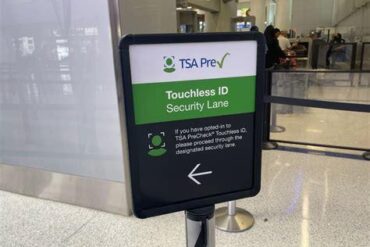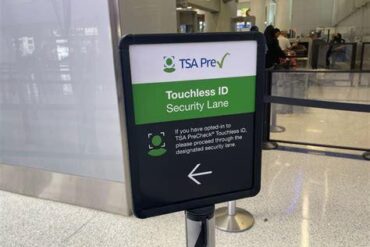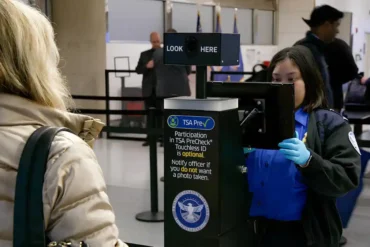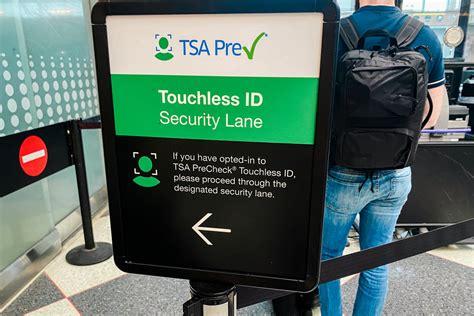
American Airlines has officially introduced its Touchless ID program for TSA PreCheck passengers at Ronald Reagan Washington National Airport (DCA), marking a significant leap forward in biometric-driven air travel. With the summer travel season ramping up, this rollout is perfectly timed to alleviate congestion and enhance passenger experience at one of the nation’s busiest airports. The system, leveraging facial recognition technology, allows eligible flyers to verify their identity without ever presenting a physical ID, streamlining a historically tedious process.
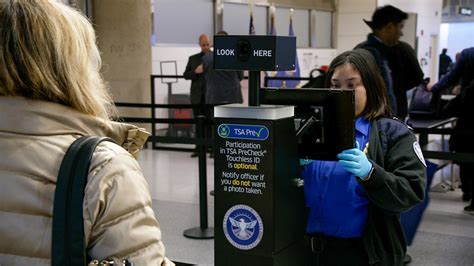
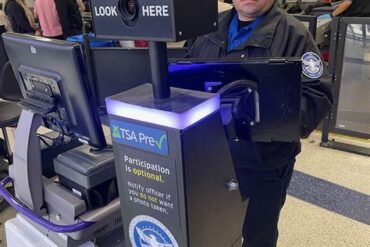
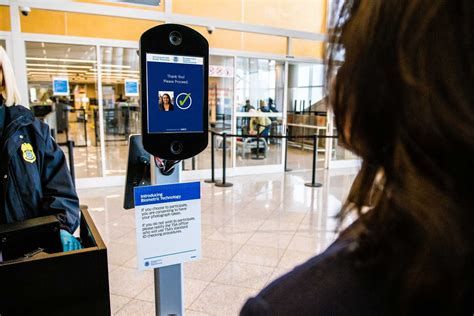
Unlike previous security checks that required both a boarding pass and a government-issued ID, American’s new service offers a frictionless identity verification pathway. Passengers simply need to glance at a camera in a dedicated security lane. Their facial data is then matched in real-time with their passport photo stored in government databases. This eliminates the need for fumbling through wallets and reduces overall wait times — a welcome development for frequent flyers and business travelers pressed for time.
Eligibility and Enrollment Requirements for Touchless ID
To gain access to the Touchless ID lanes, travelers must meet specific criteria. The system is currently limited to active AAdvantage members who also:
- Are enrolled in TSA PreCheck
- Possess a Known Traveler Number (KTN)
- Hold a valid U.S. passport
Enrollment is easy and can be completed via the user’s AAdvantage account online. Once opted in, the user’s biometric credentials remain active for a full calendar year unless manually revoked. Importantly, travelers are still encouraged to bring physical identification in the rare instance of system errors or manual override situations.
The Technology Behind the System
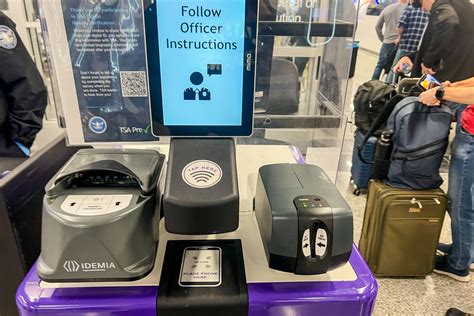
At its core, American Airlines’ Touchless ID is powered by real-time facial recognition algorithms that work in tandem with secure databases to confirm a traveler’s identity. The process is swift and secure: as a passenger approaches the checkpoint, a camera captures their image, which is immediately cross-referenced with the biometric template extracted from their passport during TSA PreCheck enrollment.
The facial matching process is completed in under two seconds and has been designed with privacy safeguards in mind. According to both American Airlines and TSA, the system does not permanently store images. Instead, once a traveler is verified and walks past the checkpoint, all biometric data from the encounter is deleted. This audited erasure process has been implemented to alleviate fears of surveillance or long-term data retention.
A Future-Ready Vision for Seamless Travel
Julie Rath, American Airlines’ Senior Vice President of Customer Experience, has been vocal about the airline’s commitment to pioneering a biometric travel ecosystem. She notes that the DCA launch is just the first phase, with plans already underway to expand Touchless ID functionality beyond TSA checkpoints. The future roadmap includes:
- Baggage check-in using facial recognition
- Lounge access enabled via biometric credentials
- Boarding gate verification without paper or digital boarding passes
Rath remarked, “This is the future of frictionless travel. The technology delivers a more seamless and secure travel experience for our customers, and we plan to expand it to all areas of our customers’ journeys with American Airlines.”

Expansion Plans: Where Touchless ID is Heading Next
Although DCA is the first airport to host this new system, American Airlines has confirmed upcoming deployments in:
- Atlanta Hartsfield-Jackson (ATL)
- New York LaGuardia (LGA)
- Salt Lake City International (SLC)
These airports were strategically chosen due to their high passenger throughput and existing infrastructure to support biometric technologies. However, it’s only a matter of time before American expands Touchless ID to its primary hubs including:
- Dallas/Fort Worth International (DFW)
- Chicago O’Hare (ORD)
- Miami International (MIA)
Given the growing demand for seamless travel solutions, the speed of this rollout could outpace expectations, especially if early feedback remains positive.
How American Stacks Up Against Rivals in the Biometric Race
American Airlines is not the first U.S. carrier to explore touchless identity verification. Delta Air Lines led the charge in 2021 with the introduction of its Digital ID program for SkyMiles members, rolled out across seven major airports. Delta’s system mirrors American’s in requiring a passport, TSA PreCheck, and opt-in.
United Airlines and Alaska Airlines also jumped into the biometric arena in recent years. Here’s how major U.S. carriers compare on Touchless ID deployment:
- Delta Air Lines: ATL, DTW, LAX, JFK, LGA, SLC, DCA
- United Airlines: ATL, ORD, LAS, LAX, EWR, LGA, SLC, DCA
- Alaska Airlines: ATL, DCA
- American Airlines: Currently DCA, with ATL, LGA, and SLC next
American’s decision to deploy now may be late compared to Delta, but it’s strategically timed. As biometric infrastructure becomes normalized at U.S. airports, the rollout may benefit from less friction with regulatory bodies, smoother tech integration, and a more receptive customer base.
Privacy Concerns: A Hurdle Still To Overcome
Despite the system’s efficiency, some passengers remain wary. Critics have voiced concerns over the long-term implications of facial recognition technology, particularly around surveillance, data misuse, and the erosion of civil liberties.
To counter these claims, TSA Administrator David Pekoske has reiterated that biometric data is used strictly for identity verification and is not stored beyond the moment of comparison. American Airlines aligns with this stance and ensures that opt-in is voluntary and reversible.
Delta Air Lines elaborates on the protocol: “Verifying a customer’s identity against the flight manifest is required by law and has been for many years. Facial matching technology is just a different, automated way of performing this task, and is completely optional.”
These assurances have gone some way to calm public skepticism, but wider adoption will hinge on continued transparency, independent audits, and regular security reviews.
What It Means for the Future of Air Travel
The implementation of Touchless ID marks a pivotal shift in how travelers navigate the airport environment. Gone are the days of tedious document checks and bottlenecks at security. What emerges is a world where passengers glide through checkpoints with minimal interaction, guided by invisible systems that handle verification behind the scenes.
This development is not just a technological milestone but a response to evolving traveler expectations. In a post-pandemic world where health safety and efficiency are top priorities, touchless technology offers a solution that aligns with modern needs.
Moreover, the broader implications are profound. As biometrics integrate across more travel touchpoints, we may soon witness:
- Personalized travel experiences, from lounge access to in-flight services
- Automated baggage claims linked to facial data
- Cross-border coordination for seamless international check-ins
Airlines and airports are at the precipice of a new operational model — one where efficiency, security, and customer satisfaction are not mutually exclusive but coexistent through smart design.
Conclusion: American Airlines Steps Boldly Into Biometric Travel
American Airlines’ Touchless ID program at DCA signals a transformative era in air travel. With a focus on efficiency, security, and innovation, the airline is aligning itself with the future of the aviation industry. While privacy concerns remain part of the dialogue, the transparent and voluntary nature of the system serves to balance innovation with responsibility.
As expansion continues to more airports, Touchless ID could very well become a new standard — redefining how travelers experience airports and what it means to move securely, effortlessly, and touchlessly from curb to gate.