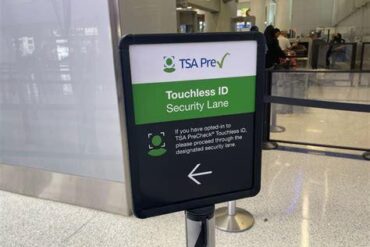
Starting in the spring of 2026, the Transportation Security Administration (TSA) will implement an exciting expansion of its TSA PreCheck program, aimed at simplifying security processes for millions of air travelers across the United States. This update, which includes the rollout of TSA’s Touchless ID system, is set to improve the travel experience by speeding up identity verification at airport security checkpoints. However, this technological shift also raises concerns regarding privacy and the handling of biometric data.
A New Touchless System for TSA PreCheck Travelers
The TSA PreCheck program, which has already provided expedited screening for travelers, is taking a major leap forward by introducing the Touchless ID technology. This system will be rolled out across 65 airports nationwide, including major hubs such as Atlanta, Los Angeles, Chicago, New York, Seattle, and San Francisco. This program, however, is only available to passengers who are already enrolled in TSA PreCheck and are flying with participating airlines: Alaska Airlines, American Airlines, Delta Air Lines, Southwest Airlines, and United Airlines.
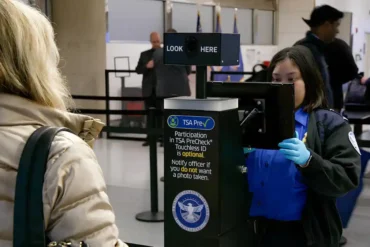
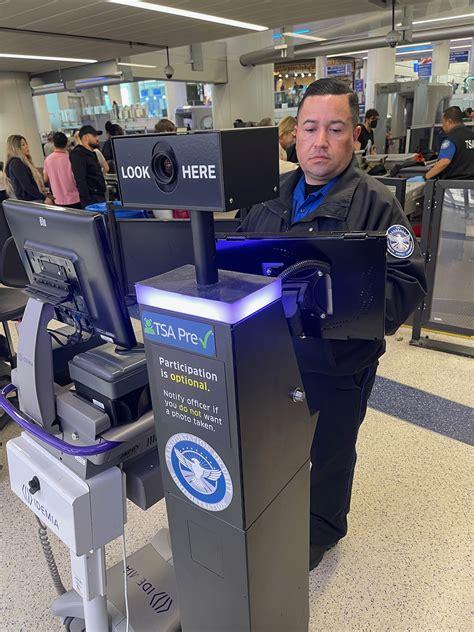
For travelers opting into this new system, the Touchless ID technology offers a unique advantage: identity verification through a live facial comparison instead of the traditional method of showing a physical ID at the checkpoint. The system compares the passenger’s face to the image stored in their airline profile (such as a passport photo), streamlining the process and making it quicker and more efficient.
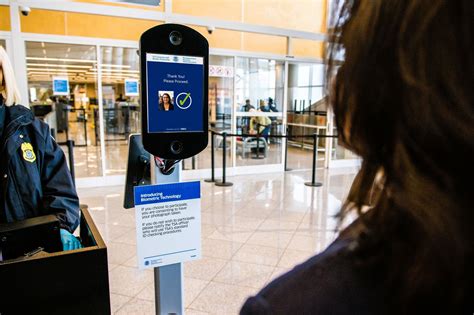
How the System Works
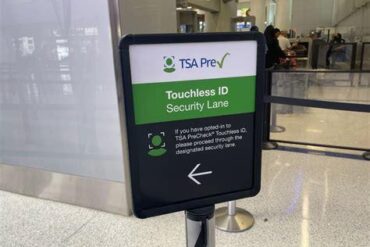
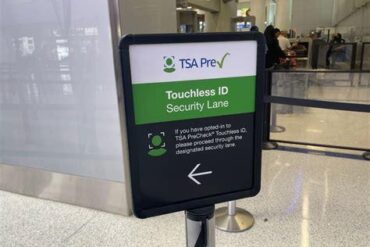
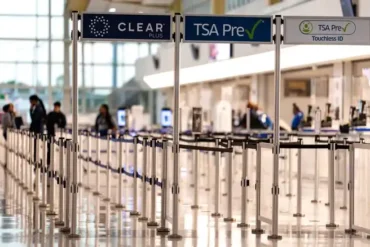
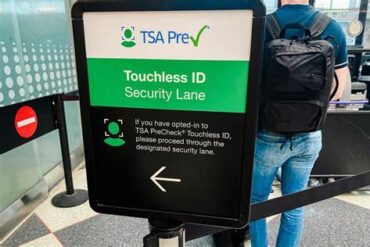
The process is designed to be simple and convenient. Once a passenger has opted in via their airline app, account, or during the check-in process, they are allowed to use the Touchless ID lanes at the airport. These special lanes are equipped with biometric cameras that capture a live image of the passenger’s face and compare it to the stored passport photo on file. To be eligible for this, travelers need to ensure their passport is uploaded to their airline profile, their TSA PreCheck membership is active, and their boarding pass indicates the Touchless ID indicator.
Despite the convenience, travelers are still required to carry a physical Real ID or another government-issued ID as a backup. This ensures that the Touchless ID system is a supplementary feature, not a complete replacement for physical identification.
Privacy Concerns and Data Handling
While the TSA has reassured travelers about the privacy of their biometric data, concerns about the collection and storage of facial recognition images remain. According to TSA officials, the images captured during the Touchless ID process are deleted within 24 hours and are not shared with law enforcement or immigration enforcement agencies. The agency maintains that the biometric data is used solely for identity verification during security screening and is not part of any surveillance effort.
Nevertheless, the use of biometric data in security systems raises significant privacy issues. Some passengers may be wary of how their facial recognition data is handled, especially since this sensitive information is stored in airline databases. While TSA insists that the program is designed to protect passengers’ privacy and is not used for profiling, the growing use of such technologies raises questions about data security and the potential risks of misuse.
The Potential Impact of the Expansion
As the Touchless ID system expands, millions of travelers will likely experience smoother, faster security screenings, particularly during peak travel times. However, for some, this expansion could bring complications. Travelers who are hesitant to share biometric data or who are concerned about the privacy implications may feel uncomfortable with the program’s requirements. Moreover, there are always challenges associated with the widespread adoption of new technology, such as technical glitches, system failures, or discrepancies in how well the facial comparison works.
Ultimately, the TSA’s decision to expand its Touchless ID system is a significant step toward modernizing airport security and making the process more efficient for the majority of travelers. While it may not be universally embraced, it signals a larger shift in how airports and airlines are leveraging technology to improve passenger experience and security.