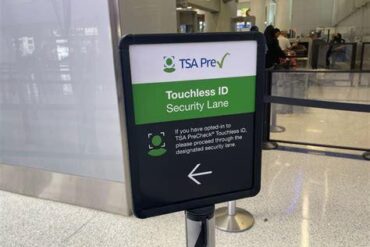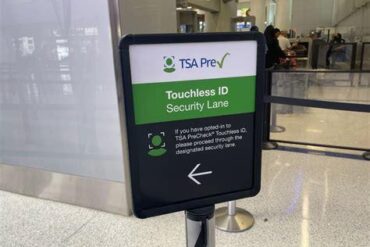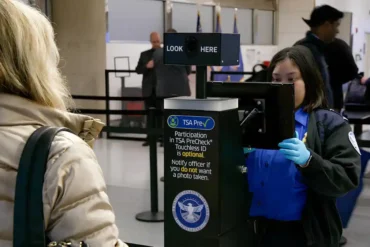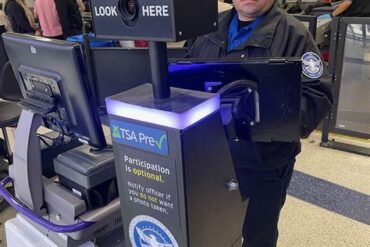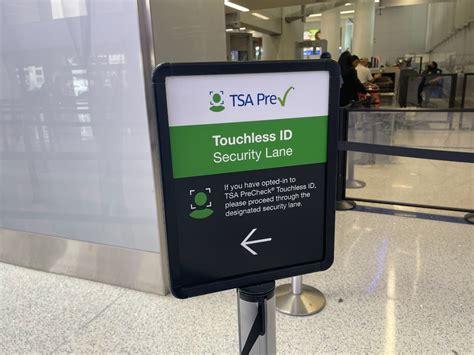
In a bold leap toward digitizing air travel, Alaska Airlines is expanding its Touchless ID program—a cutting-edge, facial-recognition-based identification system—to three major West Coast airports: Seattle-Tacoma International Airport (SEA), Los Angeles International Airport (LAX), and Portland International Airport (PDX). This expansion marks a pivotal moment in the future of secure, efficient airport experiences, particularly for TSA PreCheck travelers aiming to cut down wait times and eliminate ID fumbling.
A New Era of Seamless Travel Begins
The announcement comes on the heels of successful pilot programs at Hartsfield–Jackson Atlanta International Airport (ATL) and Washington Reagan National Airport (DCA). Now, SEA will launch the service on June 26, followed by LAX on July 8 and PDX on July 10. These additions position Alaska Airlines as a trailblazer in biometric travel, showcasing its commitment to a high-tech, touch-free future.
The Touchless ID program leverages facial recognition software that syncs with your TSA PreCheck enrollment. Once you opt in, there’s no need to show a physical ID at participating security checkpoints. Just look at the camera—and proceed.
How Touchless ID Works: Facial Recognition Meets Frequent Flyer Convenience
Once a traveler links their Known Traveler Number and uploads a valid passport to their Alaska Mileage Plan profile, the system generates a “Touchless Identity” icon on their mobile boarding pass. This digital marker communicates with TSA checkpoints equipped for facial scanning.
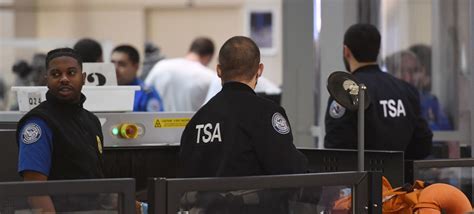
As passengers approach the TSA PreCheck lane, a camera captures a live image of their face and matches it to their passport photo stored securely in the system. The verification process takes just seconds, eliminating ID checks and physical interaction.
What Makes Touchless ID a Game-Changer
The advantages of the program are multifaceted:
- Speed: Reduced congestion at security lines, especially at high-traffic hubs like LAX and SEA.
- Security: Biometric validation reduces the risk of fraudulent IDs and human error.
- Hygiene: Touch-free technology minimizes surface contact—a crucial benefit in a post-pandemic world.
- Convenience: No more digging through bags for your ID or worrying about losing it.
In effect, your face becomes your boarding pass—a simple but powerful shift in how identity verification is performed.
Eligibility Requirements and How to Opt In
Participation requires:
- A TSA PreCheck or Global Entry membership (i.e., a Known Traveler Number).
- A valid passport uploaded to your Alaska Airlines profile.
- A smartphone or device capable of displaying the Alaska mobile boarding pass with the Touchless Identity icon.
Enrollment is straightforward. Through the Mileage Plan account dashboard, travelers can manage their identity preferences, review their eligibility, and upload the necessary documents.
Still Required: Real ID Backup for Contingencies
Despite the technological prowess of facial recognition, travelers must still carry a Real ID-compliant physical ID as a backup. In the rare event the system fails to verify your identity—due to lighting conditions, camera malfunctions, or mismatched data—the TSA will revert to traditional ID checks.
This requirement ensures that security is never compromised, maintaining a fail-safe layer of authentication that complements, rather than replaces, the biometric model.
Implications for Airport Efficiency and Future Expansion
With security checkpoints often cited as one of the most stressful parts of air travel, Alaska Airlines’ biometric expansion could dramatically enhance airport throughput. The ripple effects are significant:
- Airports can process more travelers per hour, reducing peak-time gridlock.
- TSA agents can be redeployed, improving resource allocation and traveler assistance.
- Passenger satisfaction is expected to rise, as stress and delays diminish.
If adoption remains strong, this could serve as a blueprint for nationwide rollout. Industry analysts speculate that Alaska’s move may nudge other U.S. carriers—like Delta, American, and United—toward similar biometric-driven upgrades.
Industry Reactions and Regulatory Oversight
The TSA and Department of Homeland Security (DHS) have embraced the partnership with Alaska Airlines, seeing it as part of the broader Identity Management Roadmap for enhancing national travel security. However, privacy advocates continue to scrutinize biometric programs, urging transparency in data handling and consent mechanisms.
Alaska Airlines has responded by implementing stringent data encryption, limited retention policies, and opt-in-only enrollment. The airline insists no biometric data is stored permanently—images are verified, then deleted.
Traveler Testimonials: Early Feedback is Overwhelmingly Positive
At Atlanta and Washington Reagan airports, early adopters praised the Touchless ID system. Frequent flyers highlighted the:
- Speed of passage through TSA lanes.
- Accuracy of facial recognition matching.
- Overall decrease in stress, especially during tight connections.
Many called it a “game-changer” and expressed hope that more airlines would follow suit. Others appreciated that it enhances PreCheck without additional fees or equipment.
Looking Ahead: The Future of Biometric Air Travel
The deployment at SEA, LAX, and PDX is just the beginning. Alaska Airlines hinted that additional airports are under consideration, particularly those on its key transcontinental and international routes. As traveler adoption grows and technological trust improves, full biometric boarding and customs clearance could become the norm.
Ultimately, this initiative aligns with the airline’s vision of frictionless travel—where check-in, baggage drop, security, and boarding are handled seamlessly through secure digital identity platforms.
Conclusion: Alaska Airlines Is Setting the Standard for 21st Century Travel
In the ever-evolving world of aviation, where efficiency and security must go hand in hand, Alaska Airlines has once again positioned itself as an innovator in customer-centric air travel. The expansion of Touchless ID to Seattle, Los Angeles, and Portland underscores a clear commitment to modernizing the flying experience.
This is not just about shaving minutes off your boarding time. It’s about transforming the way we move through airports, using biometric precision to simplify one of the most frustrating parts of the journey. Alaska’s strategy reflects where the entire industry is headed—a future where your face is your passport, and the stress of air travel is a thing of the past.